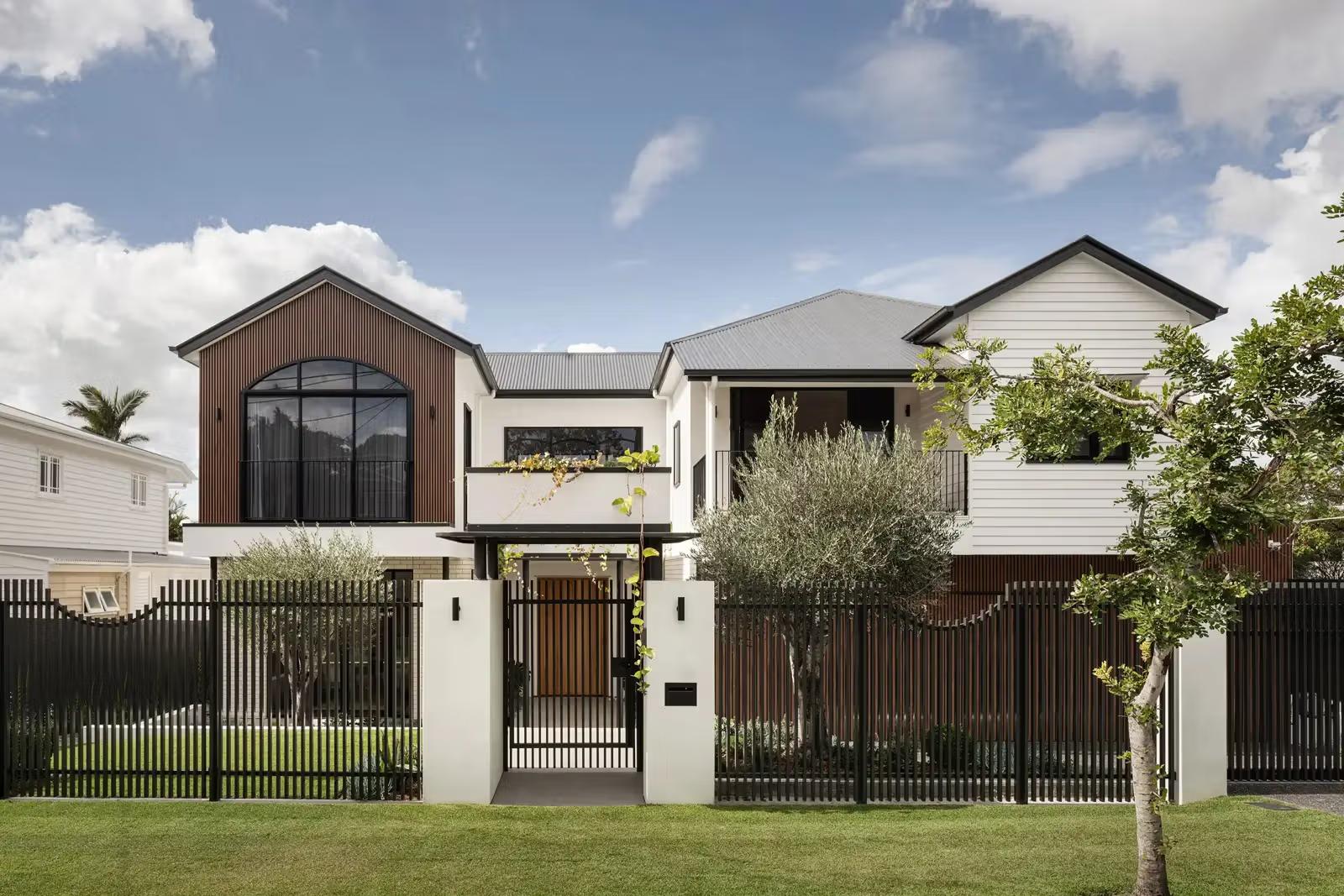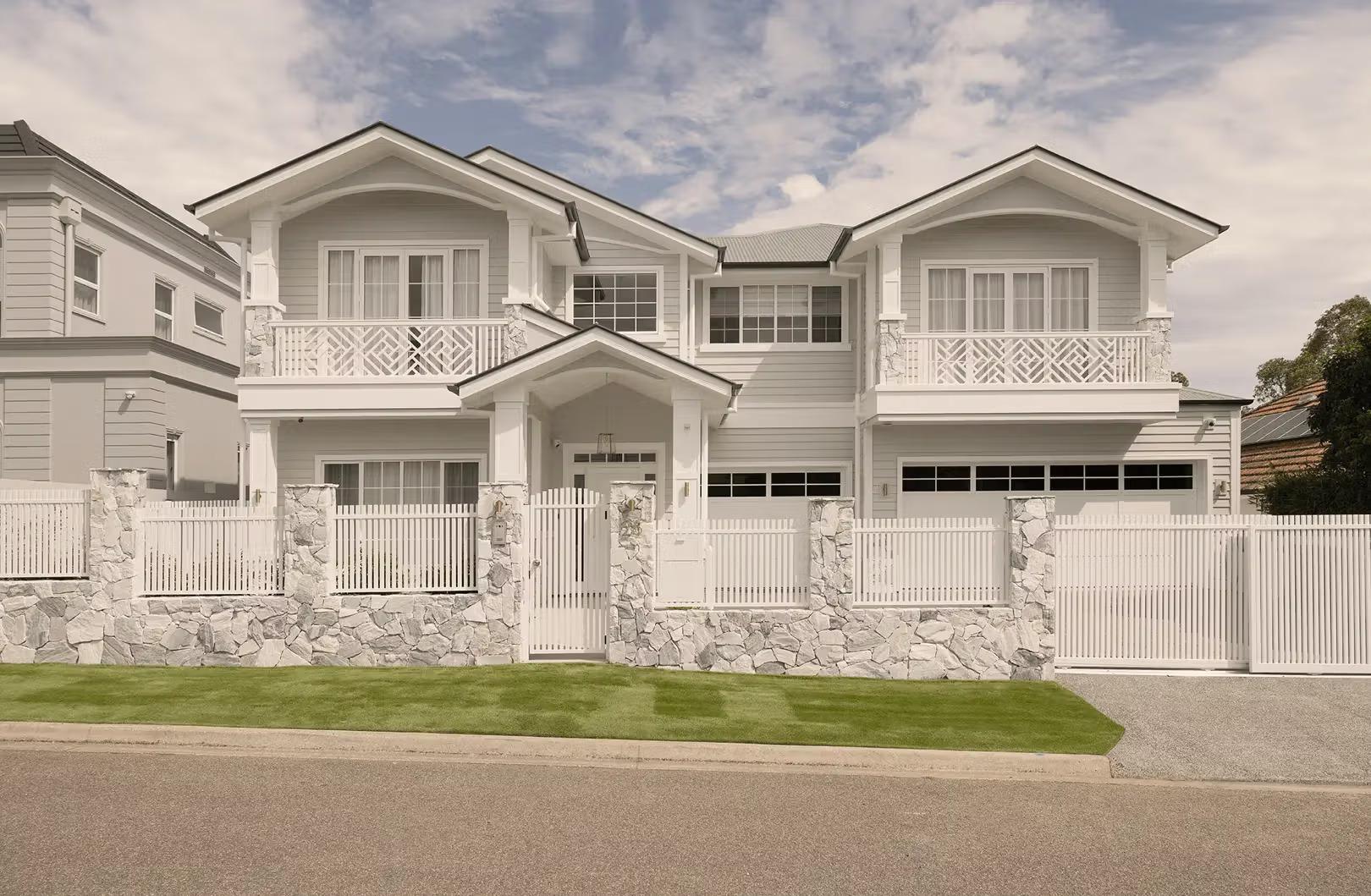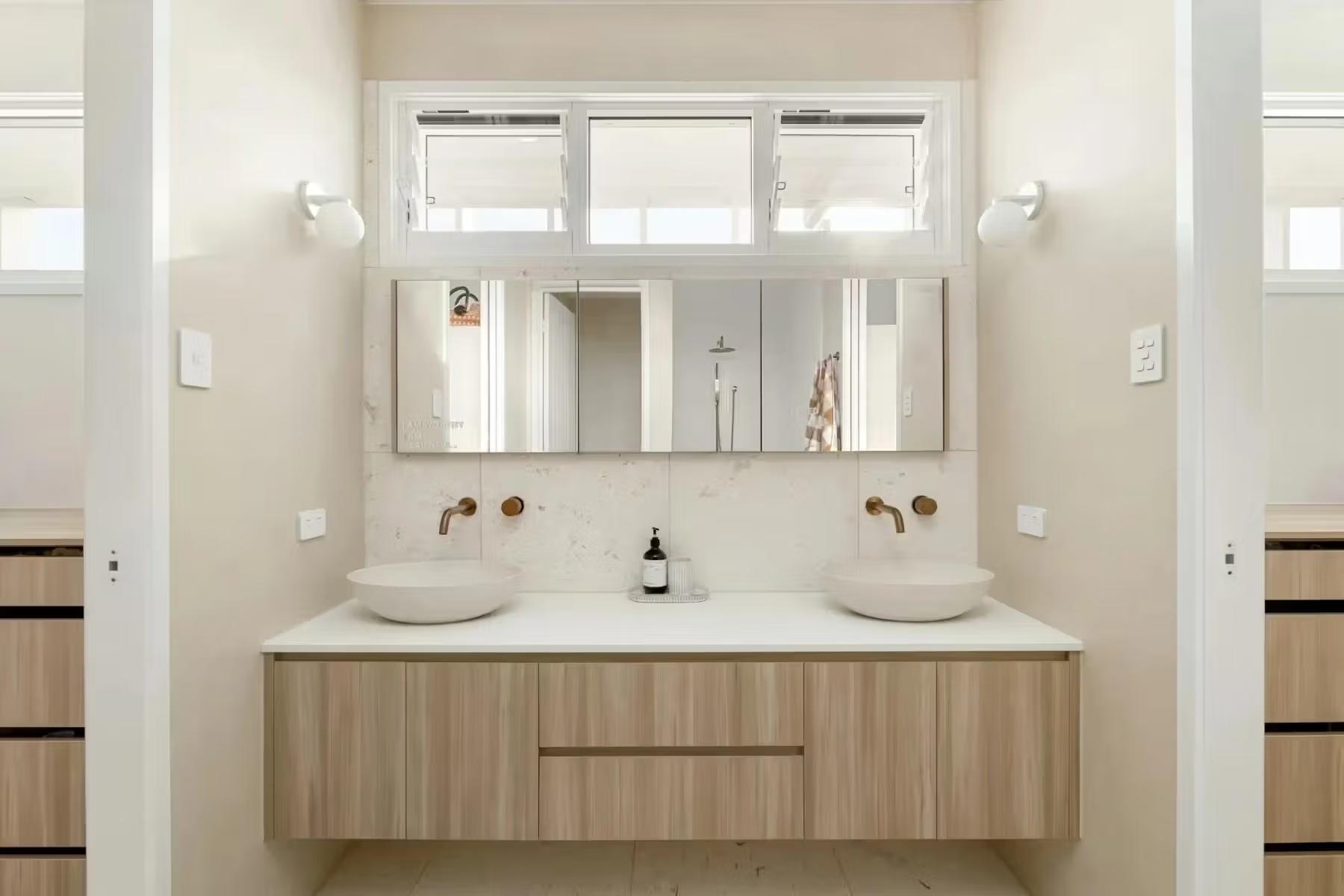


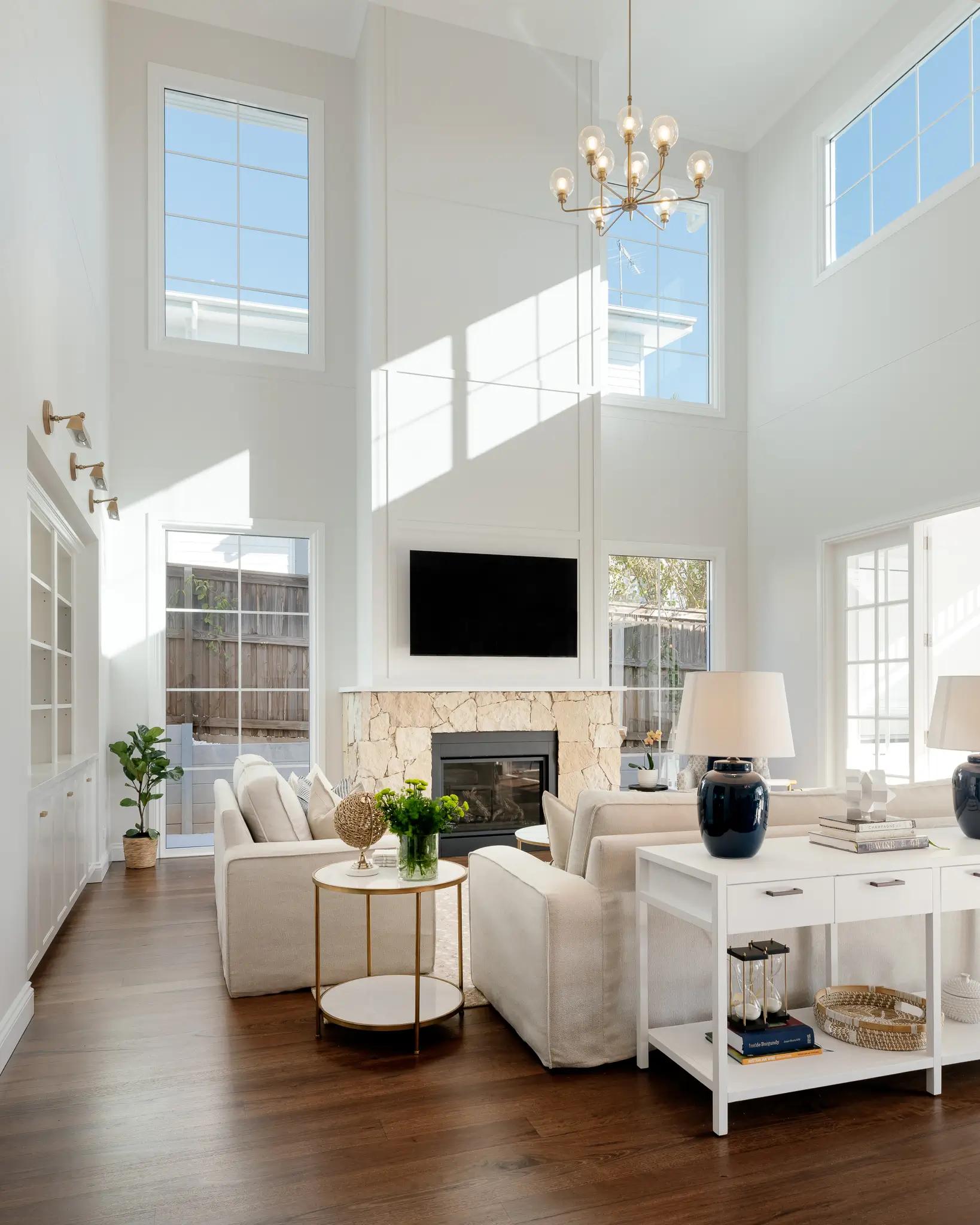
A clerestory window is a window set high on a wall, above eye level, usually in a horizontal band just below the roofline. Because the glass sits above sightlines, clerestory windows pull daylight deep into a home while completely protecting your privacy: light comes in, but neighbours cannot see in.
The word is pronounced "clear-storey", and that is exactly what it means. The name comes from the clear storey of medieval halls and churches, the upper level lit by a row of high windows. Modern architects use the same idea to solve a very modern problem: how to fill a home with natural light on blocks where the neighbours are close and the boundaries are tight.
At Invilla, designing for light from day one is standard practice in our architectural design work. This guide explains what clerestory windows are, when we reach for them, how they compare with skylights and transom windows, and the other strategies we combine them with to make a home feel bright all day.
What Is a Clerestory Window?
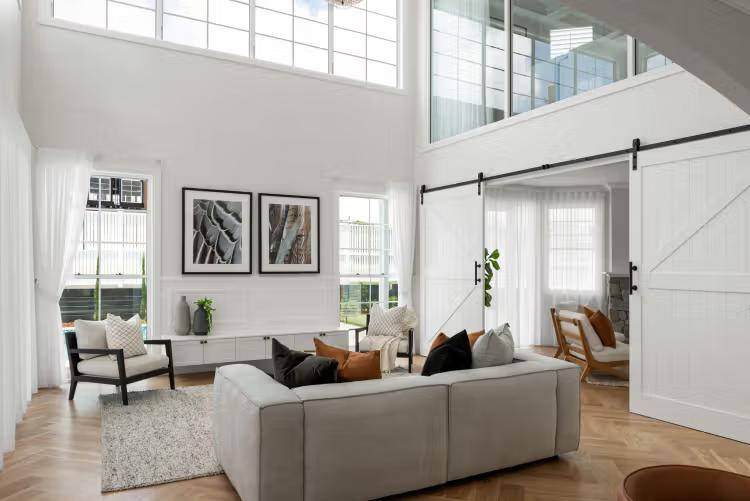
A clerestory window sits in the upper portion of a wall, typically between the top of standard glazing or doorways and the ceiling or roofline. They usually run as a series or continuous band rather than a single opening, and they often appear where a roof steps up: think of a raked ceiling rising to a high wall of glass above a lower roof plane.
Three things define them:
- Position: high on a wall, above eye level, in the wall plane rather than the roof
- Purpose: ambient daylight and, when openable, high-level ventilation
- Privacy: the glass sits above sightlines, so no coverings are needed
You will see clerestories in mid-century homes, contemporary pavilion designs and, increasingly, in renovations where an extension steps above an existing roof and the gap between the two becomes an opportunity for light.
Why Architects Use Clerestory Windows
As a registered architect, the honest answer is that clerestories solve several problems at once:
- They light the middle of the plan. Standard windows brighten the first few metres of a room. High glass throws daylight across the ceiling and deep into the centre of the home, the zone that usually needs it most.
- They keep your privacy without curtains. On tight Brisbane blocks, a full-height window often looks straight into the neighbour's kitchen. A clerestory delivers the light and skips the sightline entirely, with no frosted film or permanently drawn blinds.
- They ventilate where heat collects. Hot air rises. Openable clerestories release it at the highest point of the room and draw cooler air through the home, a simple stack effect that suits Brisbane summers.
- They free up your walls. Because the glazing sits high, the wall below stays available for joinery, artwork and furniture, which matters in compact plans.
Thoughtful high-level glazing is especially valuable on narrow block house designs, where side setbacks limit how much conventional window you can fit without staring at a boundary fence. In those projects, the clerestory is often what makes the centre of the home feel generous rather than borrowed.
Clerestory vs Skylight vs Transom: What's the Difference?
These three get confused constantly because all of them bring light in from above eye level. They behave quite differently:
Feature | Clerestory window | Skylight | Transom window |
|---|---|---|---|
Position | High on a wall, below the roofline | In the roof plane itself | Directly above a door or another window |
Light quality | Soft, ambient light washed across the ceiling | Direct overhead light, strongest at midday | Modest borrowed light between spaces |
Ventilation | Excellent when openable; vents rising hot air | Some models open; many are fixed | Traditionally used for airflow between rooms |
Heat and glare | Manageable with orientation and eaves | Highest heat-gain risk of the three | Minimal |
Privacy | Complete | Complete | Depends on placement |
Best for | Living zones, tight boundaries, raked ceilings | Internal rooms with no external walls | Period homes, internal light sharing |
If you have heard the term "clearstory", that is simply the American spelling of the same window. They are also sometimes described as high-level or highlight windows in Australian documentation.
The practical rule we apply: if the room has an external wall and a generous ceiling, a clerestory usually gives better light quality and ventilation with less heat penalty. If the room is buried in the middle of the plan with no wall to borrow from, that is skylight and light well territory.
Do Clerestory Windows Have Any Downsides?
A few, and it is worth being upfront about them:
- They cost more than standard windows of the same size. The glazing sits at height, which means more structural coordination, scaffold or access equipment during construction, and careful waterproofing where wall meets roof.
- Cleaning needs a plan. Anything above eye level eventually needs washing. We think about access at design stage rather than leaving it as a surprise.
- Orientation mistakes are amplified. A west-facing clerestory with no shading turns an afternoon sun problem into a ceiling-height one. High glass needs the same sun-path discipline as any other glazing, arguably more.
- Blinds and curtains are impractical. This is usually a feature, not a bug, but it means glare and heat must be controlled through design rather than added later.
None of these are reasons to avoid clerestories. They are reasons to design them properly rather than cut a hole high in a wall and hope.
Getting the Orientation Right in Brisbane
In South East Queensland, the orientation rules for high glazing are clear. North-facing clerestories with correctly sized eaves admit low winter sun and exclude high summer sun, which is the passive design sweet spot. South-facing high glass gives consistent, glare-free daylight with minimal heat gain. East can work for morning light. West-facing clerestories need genuine shading or high-performance glazing, or they should be avoided.
The Australian Government's YourHome guide covers the daylighting principles behind this in detail, and it aligns with how we model every project: we track the sun path across the specific site before fixing window positions, because the same clerestory that works beautifully on one orientation can overheat a room on another.
Other Ways to Maximise Natural Light
Clerestories rarely work alone. In practice we combine them with a handful of complementary strategies.
Skylights and Light Wells
Where a room has no external wall to borrow from, walk-in robes, hallways, internal bathrooms and mid-plan kitchens, skylights and light wells introduce daylight from directly above. Skylights suit larger spaces; solar tubes funnel daylight into compact or enclosed rooms. A well-placed skylight can transform a bathroom, something we covered in our bathroom lighting guide.
Open-Plan Flow
Light travels further when it is not interrupted. Removing unnecessary walls, widening openings or using glass partitions lets daylight move through adjacent rooms. Where privacy or structure demands separation, internal windows and mirrors bounce light between zones.
Reflective Surfaces and Light Colours
Material selection shapes how light behaves once it is inside. Pale walls, ceilings and floors reflect daylight deeper into the plan. Matte finishes diffuse light softly, satin surfaces add subtle reflection, and light timber tones amplify brightness without extra fittings.
Shading and Comfort
Good natural light is about comfort, not maximum brightness. Eaves, awnings and adjustable screening control glare and heat while keeping ambient light. Double glazing keeps bright rooms temperate. Landscaping matters too: trees and boundary structures should shade without blocking, and pale exterior surfaces reflect useful light indoors.
Common Questions About Clerestory Windows
How Do You Pronounce Clerestory?
"Clear-storey". The word comes from the historic clear storey, the upper level of a church or hall lit by a row of high windows, and the pronunciation follows the origin rather than the spelling.
What Is Another Name for a Clerestory Window?
Clearstory is the American spelling of the same window. In Australian plans and documentation they are also called high-level windows or highlight windows. All describe glazing set above eye level in the upper portion of a wall.
Do Clerestory Windows Make a House Hot?
Not when they are oriented and shaded correctly. North-facing clerestories with properly sized eaves admit winter sun and exclude summer sun, and south-facing high glass adds daylight with very little heat. Unshaded west-facing high glazing is the configuration to avoid. Openable clerestories can actually cool a home by venting hot air at ceiling level.
Are Clerestory Windows Expensive?
They typically cost more than a standard window of the same size because of the structural detailing, waterproofing and access involved in glazing at height. Whether that premium is worth it depends on the plan: on a tight block where they replace the need for coverings and light the centre of the home, they often deliver more value per dollar than additional standard glazing.
Bringing It All Together with Light-Led Design
At Invilla, natural light informs the architecture from day one. We consider orientation, window strategy, spatial flow and materials together, so every room feels balanced, bright and comfortable throughout the day. Clerestory windows are one of the most effective tools in that kit: quiet from the street, transformative from the inside.
If you are planning a new custom home or renovation and want a design that celebrates daylight, get your project estimate to start the conversation, or get in touch directly.