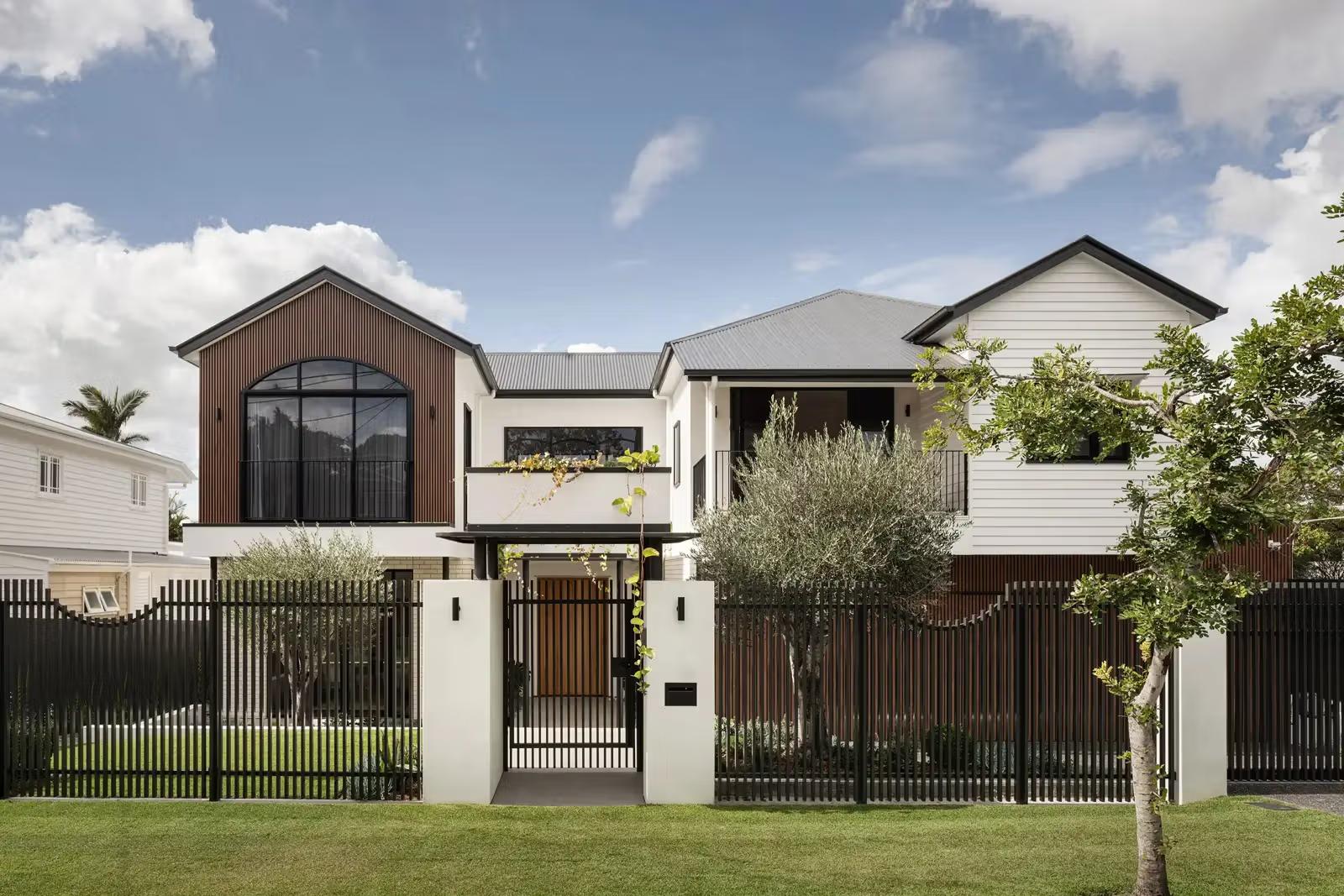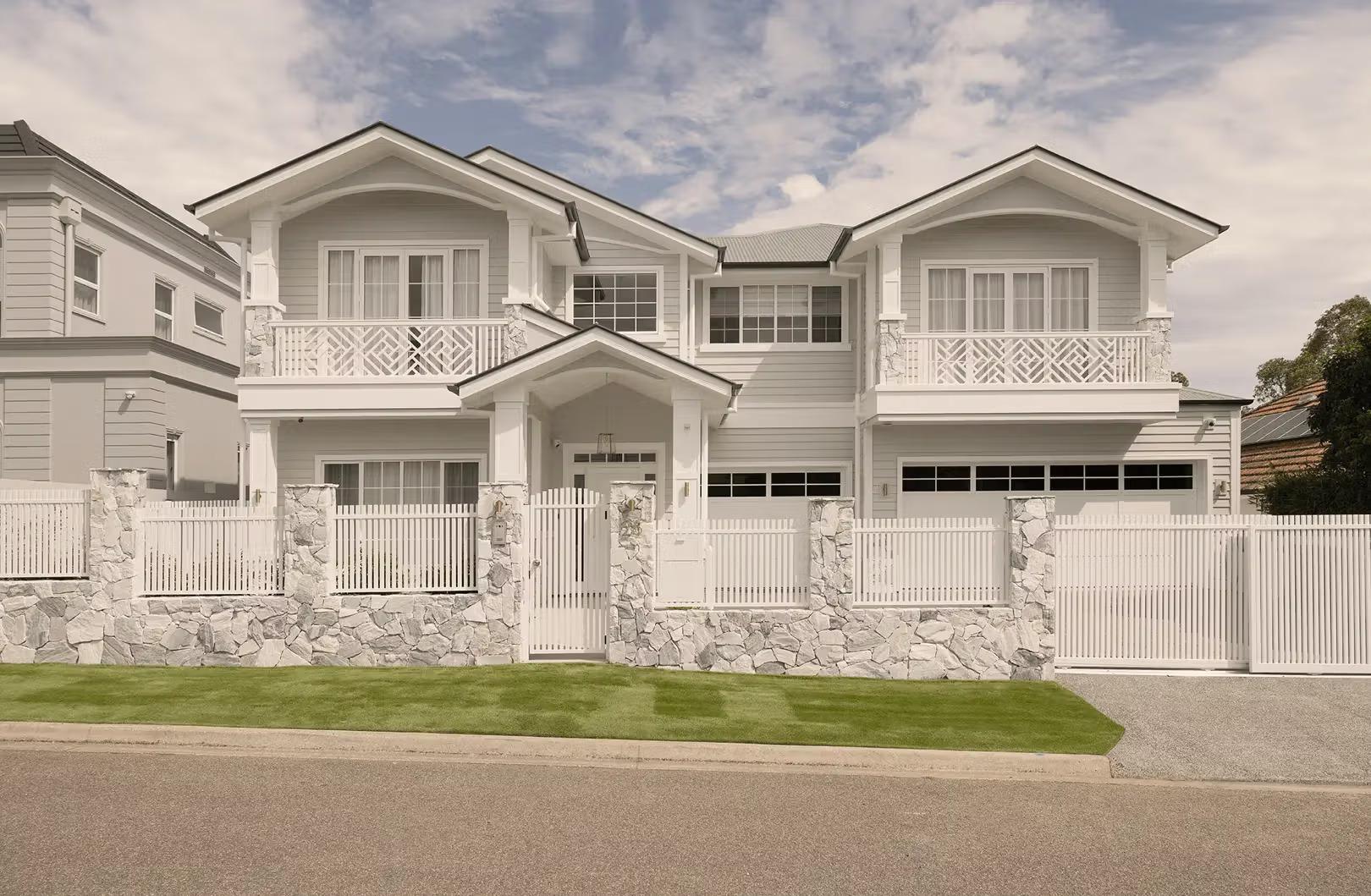


The best narrow block house designs treat width as a design brief, not a shortage. A narrow lot, typically under 12.5 metres across, sharpens every decision: where the light enters, how the rooms flow, where height replaces width. Get those right and a compact frontage carries a home that feels genuinely generous.
Design move | What it does | Best suited to |
|---|---|---|
Central courtyard or light well | Brings daylight and ventilation into the middle of the plan | Long, deep blocks with limited side light |
Two-storey split | Living below, quiet above; height doing the work width can't | Blocks where the footprint is the constraint |
Clerestory windows | High-level light without sacrificing wall space or privacy | Boundary-to-boundary living zones |
Integrated alfresco | Extends the living zone outdoors without extra floor area | Brisbane's climate, kitchen-to-garden plans |
Custom joinery | Storage built into the structure instead of furniture crowding rooms | Every narrow home |
Understanding the Narrow Block House Design Challenge
What Defines a Narrow Lot?
Narrow block house designs typically apply to sites under 12.5 metres wide. As Brisbane’s suburbs continue to evolve through subdivision, these blocks are becoming increasingly common. Tighter boundaries bring challenges, privacy, light, and access, but also the chance to design smarter, more efficient homes that still feel generous.
In Brisbane, tight sites also come with their own planning framework: Brisbane City Council's planning scheme treats houses on small lots as their own category with specific provisions for setbacks, height and siting. Reading those provisions early is part of the design, and it's where local planning fluency earns its keep.
Narrow Block Widths in Brisbane
Many of Brisbane's narrow blocks trace back to its early subdivisions. Inner suburbs were often laid out in 16-perch lots of around 405 square metres with a frontage of about 10 metres, and splitting a traditional 32-perch block of around 810 square metres side by side creates two lots of that same width. On a 10 metre frontage, side setbacks and a driveway leave a narrow strip for the house itself, so the plan, not the floor area, decides how generous the home feels.
Brisbane's Small Lot Rules
Under Brisbane City Council's City Plan, a lot under 450 square metres, or under 600 square metres for a rear lot, is a small lot. Houses on small lots are assessed against the Dwelling house (small lot) code, which sets its own provisions for setbacks, height and siting and takes precedence over the Queensland Development Code. Reading those provisions early is part of the design, and it's where local planning fluency earns its keep.
What a Narrow Site Asks of the Design
The challenges of a narrow site are real: long corridors, tricky orientation, and limited window positions can restrict light and airflow. The best narrow lot plans anticipate these issues early, creating comfortable homes that live well and hold their value long-term.
Key Design Considerations for Narrow Homes
Orientation and Light
Light is the foundation of comfort. Courtyards, clerestory windows, and light wells draw sun deep into the plan, while screening and shading maintain privacy. When orientation is considered from the start, spaces evolve naturally through the day, bright where they should be, calm where they need to be.
Spatial Flow and Function
Every metre needs a purpose. Open sightlines, well-connected zones, and flexible circulation help a narrow home feel larger than its footprint. Even hallways can work harder, housing built-in shelving, seating, or storage to make every part of the plan useful.
Vertical Thinking
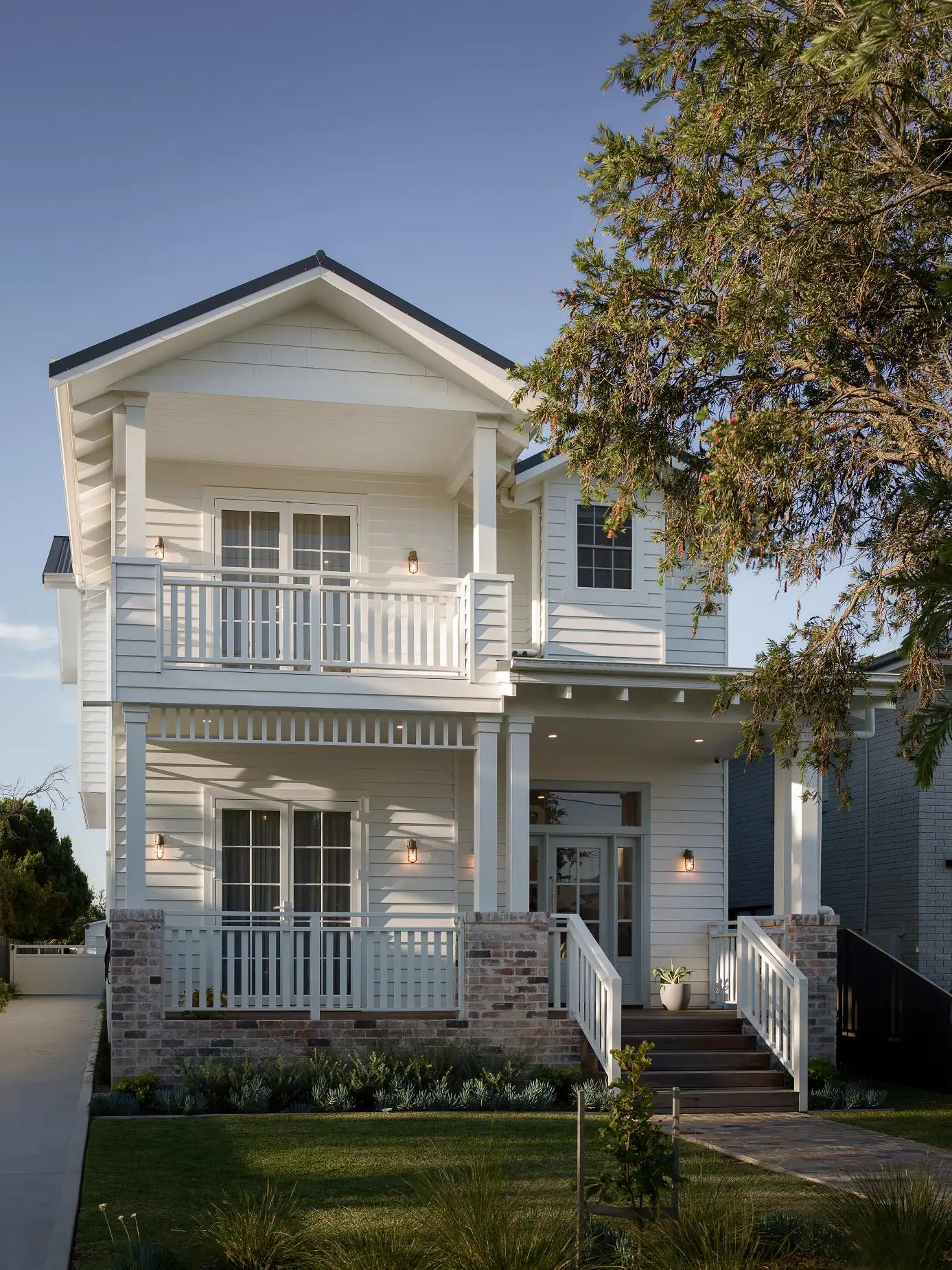
When width is limited, height becomes an advantage. Two-storey homes allow for living areas below and quiet spaces above. This separation enhances privacy and flexibility while keeping outdoor areas free for entertaining and light. Height pays off inside the rooms too: a raked ceiling or a double-height void can make a narrow living zone feel far larger than its footprint, and choosing the right ceiling type is part of the same vertical thinking.
Privacy and Connection
With neighbouring homes often close by, privacy needs careful balance. Well-placed windows, screened courtyards, and layered landscaping create openness without exposure. The result is calm, comfortable living, connected to the outdoors yet quietly contained.
Design Solutions That Work
Every narrow site demands a tailored approach, but four strategies consistently enhance liveability.
Central Courtyards and Light Wells
Inserting a courtyard or light well into the heart of a narrow home creates a break in the floor plan that lets natural light and air flow deep into the space. It’s a great way to open up interiors without needing more frontage.
Integrated Outdoor Spaces
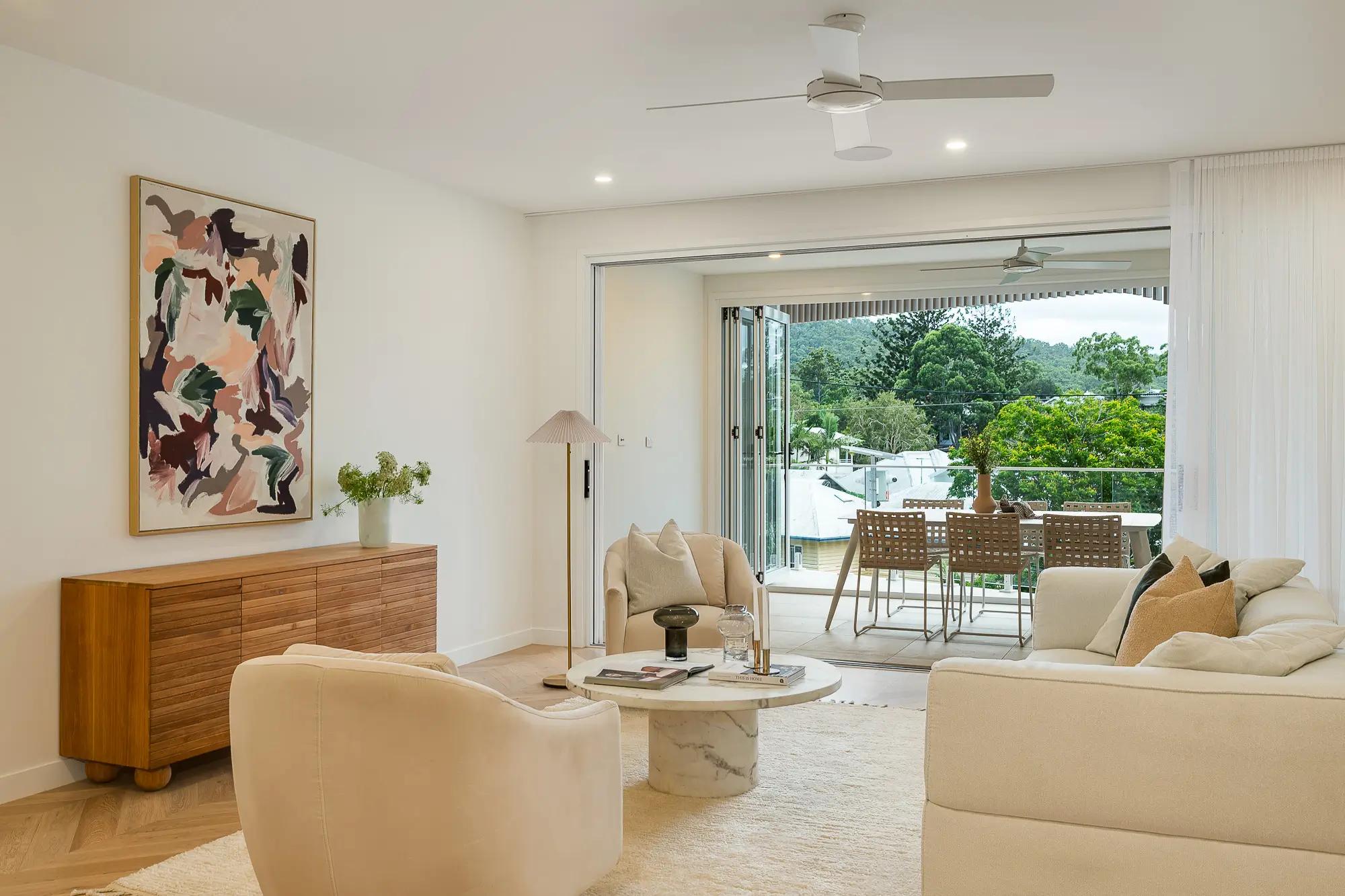
Even narrow blocks can support generous outdoor living. Invilla often designs alfresco areas that act as an extension of the living space, creating a seamless connection from kitchen to garden without the need for excess floor area.
Smart Joinery and Storage
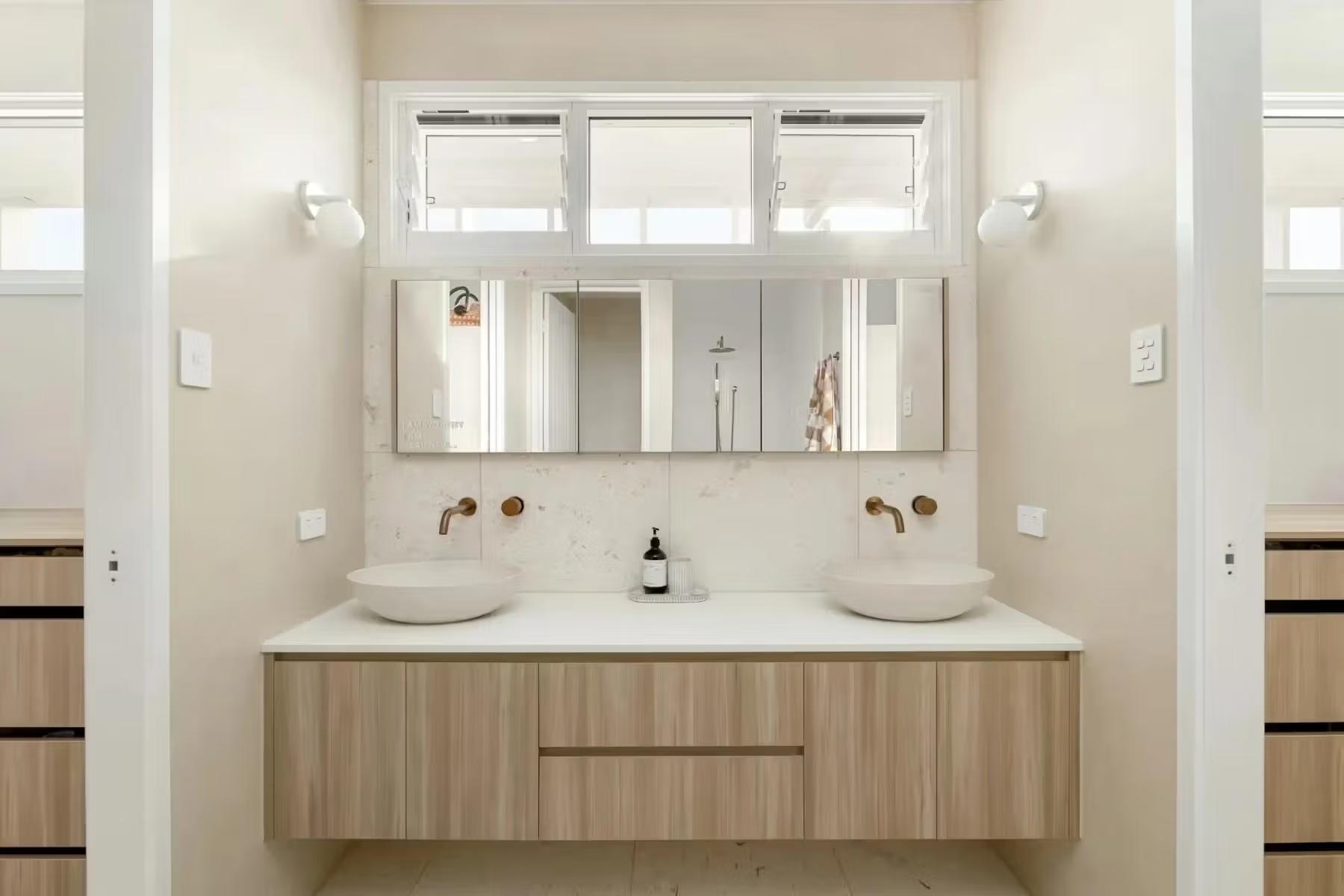
Storage is critical on tight sites. Custom joinery, built-in cabinetry, and under-stair solutions can maximise utility without adding bulk. Every cupboard, nook, and recess should earn its place in the plan.
Flexible Floor Plans
A narrow home’s plan needs to adapt to different family needs, whether that’s a home office at the front, a retreat upstairs, or future-ready spaces that can evolve over time. Flexible narrow lot plans ensure long-term functionality, especially as life changes.
Planning Narrow Block Homes for Long-Term Liveability
The best narrow block homes feel balanced from the day you move in, and stay that way for decades. Early planning is essential: soil conditions, engineering, and council overlays all influence design outcomes. Durable materials, smart orientation, and energy-efficient detailing ensure the home remains comfortable and low-maintenance over time.
Narrow Block Questions. Answered
What Is Considered a Narrow Block?
There's no single legal definition, but blocks under roughly 12.5 metres wide are generally designed as narrow lots, and they're increasingly common in Brisbane as older blocks are subdivided.
Can You Build on a 10 Metre Wide Block?
Yes. A 10 metre frontage is one of the most common narrow block widths in Brisbane, and it suits a well-planned home of one or two storeys. The design starts with the setbacks and siting rules for the lot, then fits light, parking and outdoor living around them.
What Are Good House Designs for Narrow Lots?
The designs that work best on narrow lots bring light into the middle of the plan and use height in place of width. A two-storey home with living on the ground floor, a central courtyard or light well, clerestory windows along the side walls, and living areas that open straight onto a rear garden or alfresco all help a narrow home feel generous. The right mix depends on the block's orientation, slope and frontage.
How Do Brisbane's Rules Treat Small Lots?
Brisbane City Council's planning scheme applies specific provisions to houses on small lots, generally those under 450 square metres, covering siting, height and setbacks. Every narrow block project we design starts with that planning assessment.
Can You Build a Luxury Home on a Narrow Block?
Yes. Width limits the frontage, not the quality: light, proportion, joinery and flow decide how generous a home feels, which is exactly what narrow block design is about.
Do Narrow Block Homes Need Two Storeys?
Not always, but height is usually the narrow block's best friend: two storeys let living zones own the ground floor while bedrooms gain quiet and privacy above, keeping outdoor space free.
The Invilla Approach to Narrow Block Home Designs
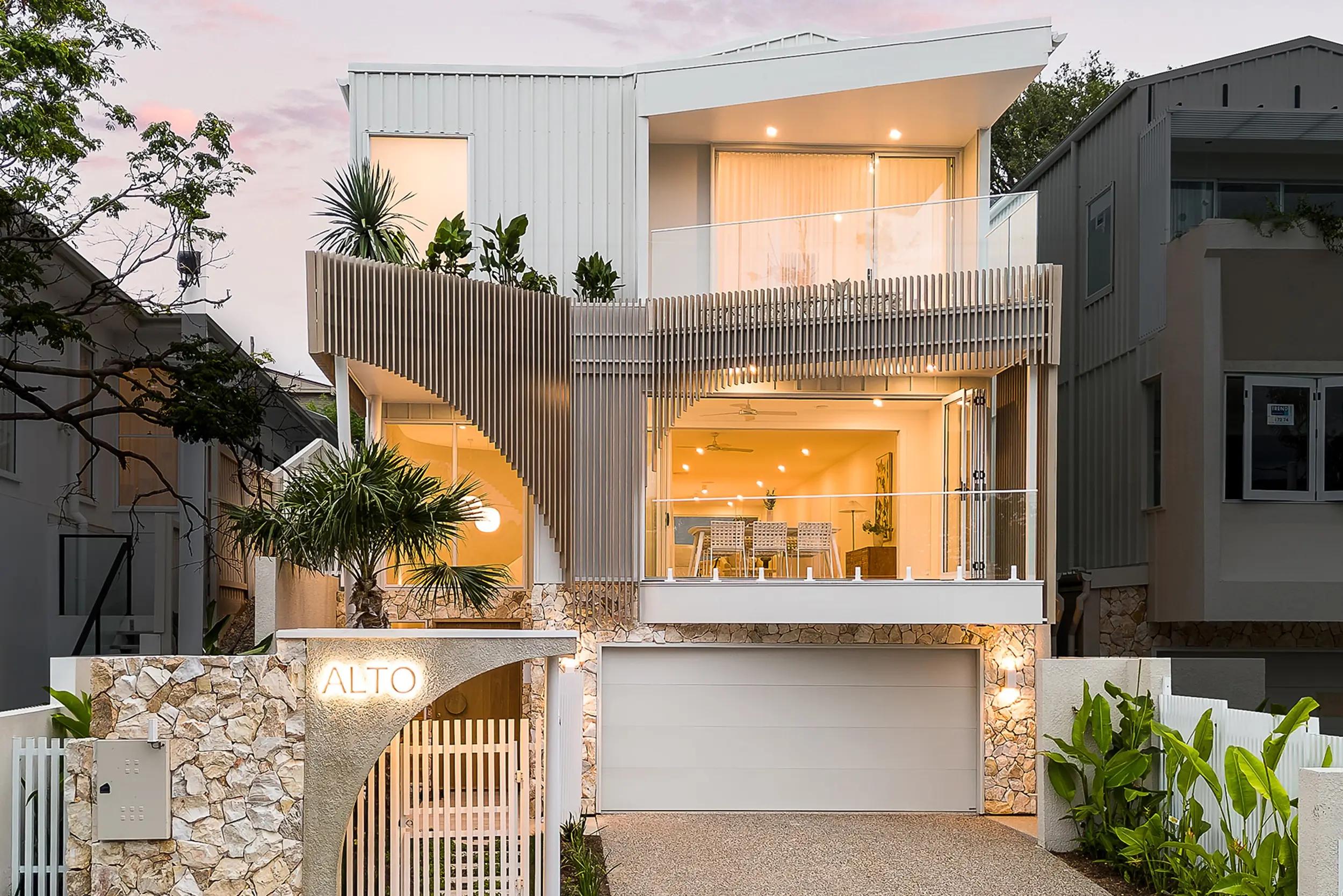
At Invilla, narrow blocks aren't limitations, they’re opportunities to show what good design can achieve. Each site is shaped by its orientation, slope, and context before the first sketch begins, ensuring every space feels deliberate and connected. Alto, a narrow block home in Indooroopilly, is that approach built.
If you’re ready to make the most of your narrow block, talk to Invilla about a design that fits your site, your lifestyle, and your future.