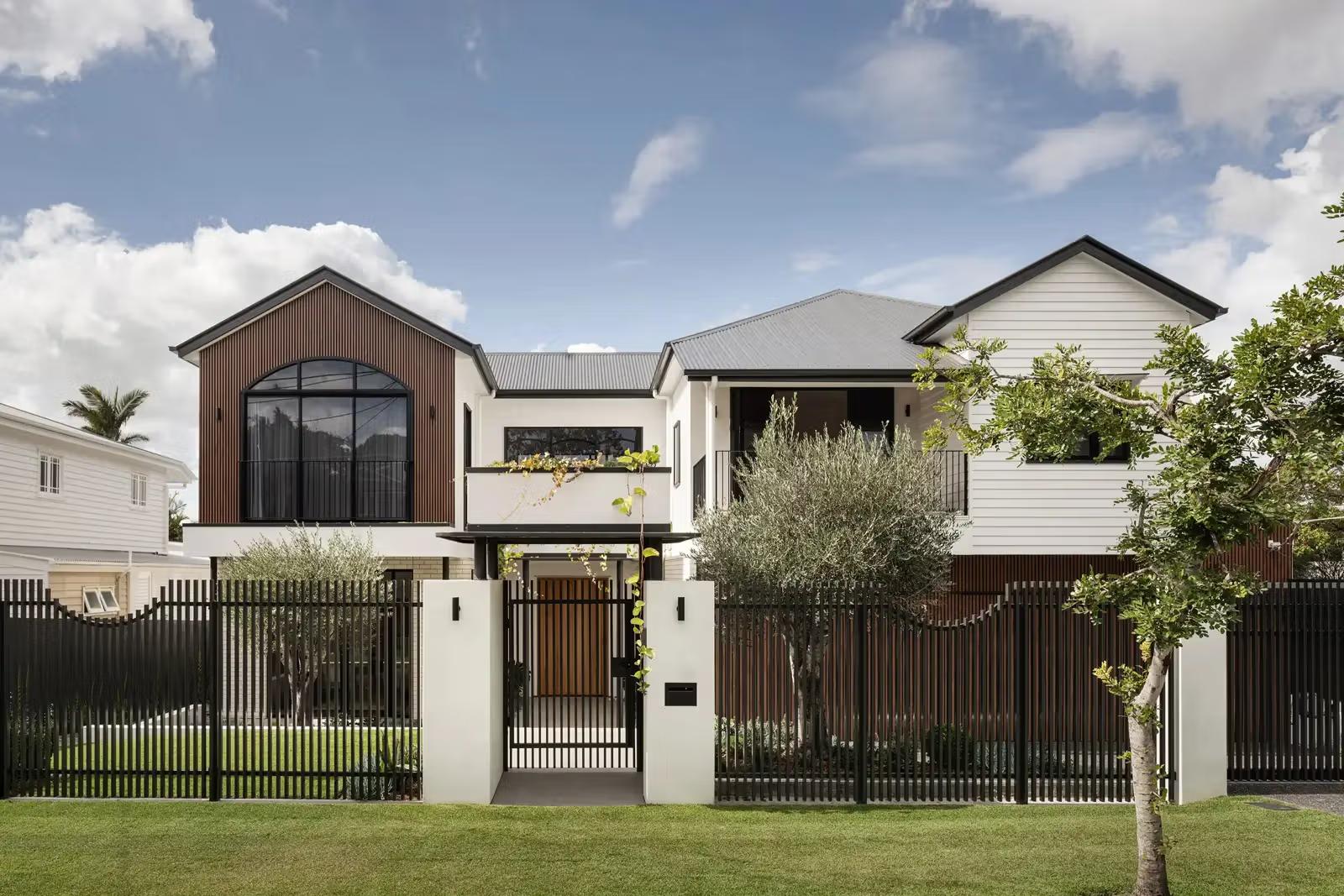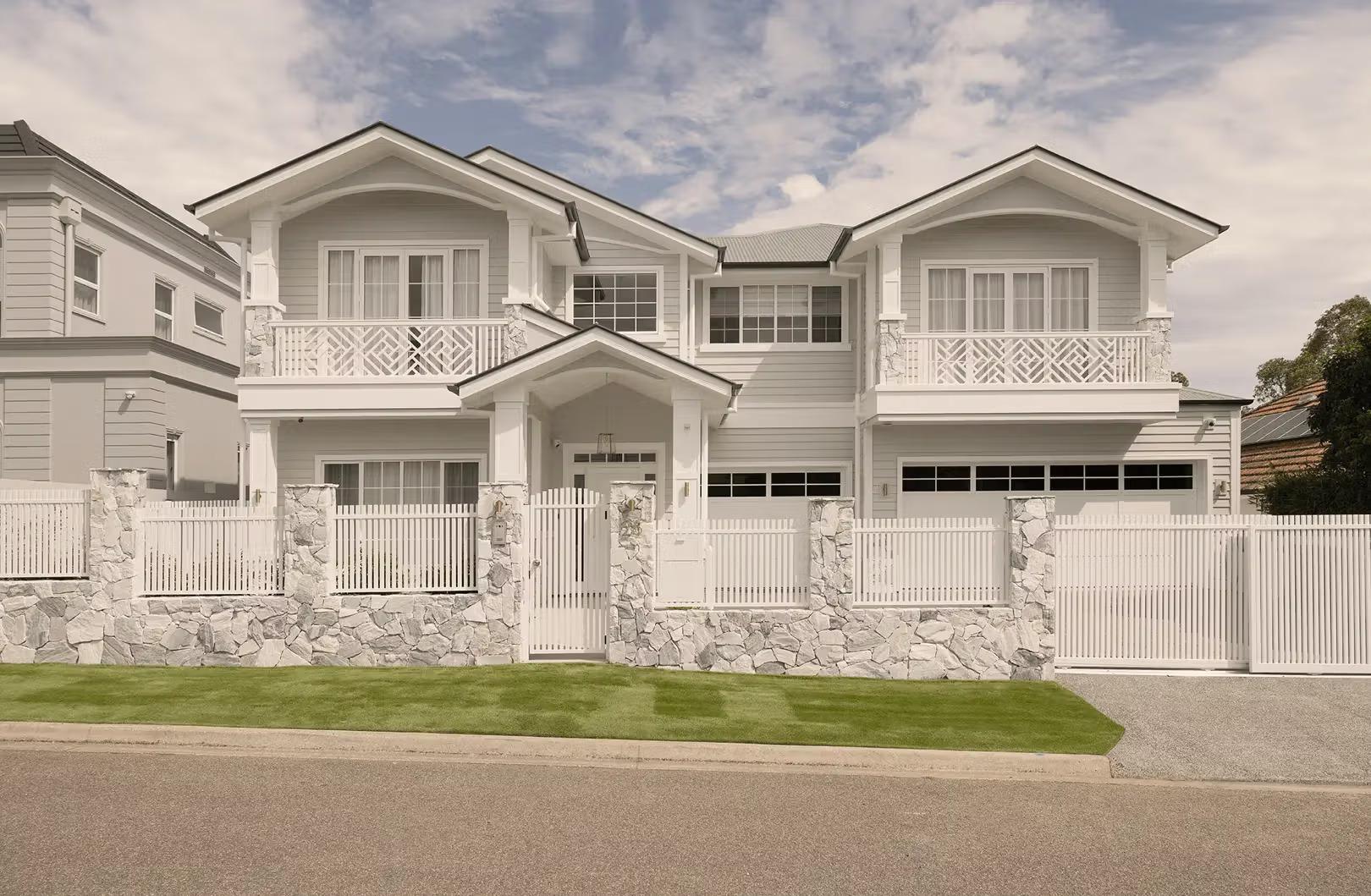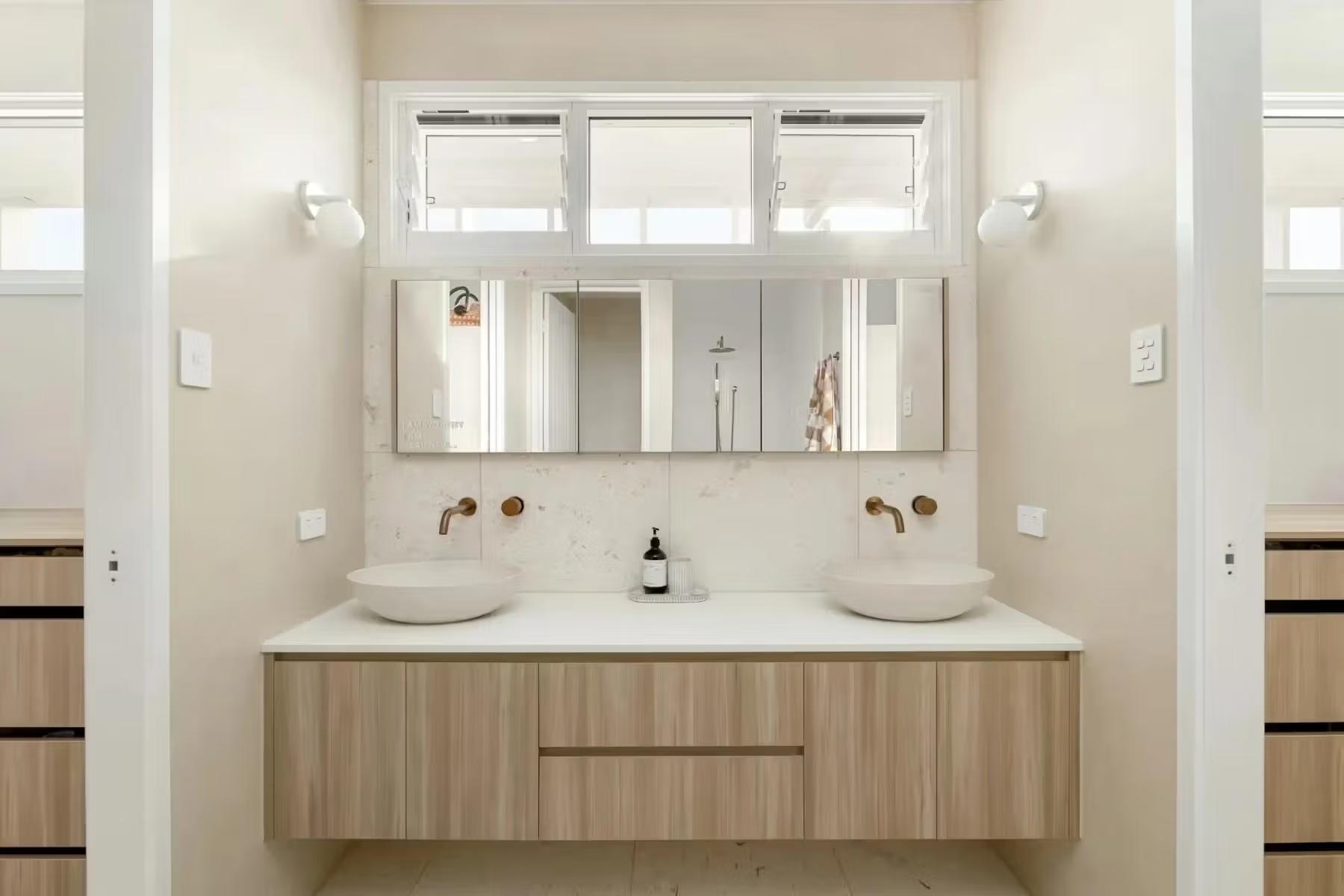


Sustainable house design means shaping a home around its climate, site and materials, so it stays comfortable using less energy and water and is built to last. For a high-end home, sustainability isn't a trade-off against beauty or comfort. Done well, it delivers both: rooms that hold a steady temperature through the year, healthier air inside, and lower running costs long after the build.
Why Sustainable Design Is the Future of Australian Homes
The conversation around home design in Australia is changing. Once viewed as a costly add-on, sustainability is now a central pillar of modern luxury living. This shift isn't just about being eco-conscious; it’s driven by the practical demand for homes that are smarter, more resilient, and financially sound.
For discerning homeowners, sustainable design isn't a trade-off against aesthetics or comfort, it's an upgrade. The result is a home that maintains a comfortable temperature year-round with far less reliance on mechanical heating or cooling, where indoor air quality is genuinely better for the people living in it. This is the real, tangible outcome of thoughtful, sustainable architecture.
Key Drivers Shaping Modern Homebuilding
Several forces are pushing this move towards greener homes, making it a defining feature of today’s residential projects. Together, they build a powerful case for designing with the future in mind.
- Rising Operational Costs: Rising energy prices have made efficiency a priority for homeowners looking to manage long-term household costs.
- Greater Environmental Awareness: There’s a growing desire to build homes that are not only beautiful but also responsible, lessening their impact on the natural world.
- Evolving Building Regulations: The National Construction Code (NCC) now sets higher energy efficiency requirements for new homes, raising the baseline every design has to meet.
At Invilla Architecture, we see sustainable design as the intersection of creativity, precision, and everyday liveability. It’s about creating bespoke homes that perform as beautifully as they look, enhancing long-term value and client satisfaction.
This approach has to be tailored to its unique setting. The strategies for a home in subtropical Brisbane or the Sunshine Coast, which focus on cross-ventilation and managing heat, are vastly different from those for a cool-temperate home in Hobart, which needs to prioritise heat retention and capturing every bit of winter sun. Getting these climatic nuances right is the key to creating a truly high-performing home. You can learn more by exploring our insights into sustainable home designs building for the future.
That site-first thinking is the foundation of our custom home design work in Brisbane, whether the brief is a new build or a deep retrofit.
Core Principles of Sustainable Home Architecture
The following summarises the core principles that guide our design process and what each means in practice.
Key Principles of Sustainable House Design
Principle | Core Focus | Primary Homeowner Benefit |
|---|---|---|
Passive Design | Working with the climate to maintain comfort naturally. | Reduced reliance on heating/cooling, lower energy bills, and improved comfort. |
Smarter Materials | Choosing healthy, durable, and low-impact materials with a focus on their lifecycle. | Better indoor air quality, long-term durability, and a smaller environmental footprint. |
Energy Efficiency | Integrating high-performance systems and renewable energy to minimise consumption. | Significant cost savings, energy independence, and a future-proofed home. |
Water Conservation | Capturing, storing, and reusing water to reduce reliance on mains supply. | Lower water bills, garden resilience during dry spells, and responsible resource use. |
Landscape Integration | Designing the home and garden as a single, cohesive system that supports the site. | Enhanced connection to the outdoors, better water management, and improved biodiversity. |
Harnessing Nature with Passive Design
Before we even think about technology, the smartest move is to use the free resources nature offers. This is the essence of passive design, a strategy that works with the climate to keep you comfortable, dramatically cutting the need for artificial heating and cooling.
The key elements are surprisingly simple:
- Orientation: Placing the home on its site to welcome the northern winter sun for warmth while shielding it from the harsh western sun in summer.
- Shading: Using architectural features like deep eaves, pergolas, and carefully placed screens to block direct summer sun, all while letting that precious winter sun stream in. For a Brisbane home, this might mean designing generous, protective overhangs that define the entire look.
- Ventilation: Positioning windows and doors to capture prevailing breezes for natural cross-ventilation, which flushes out warm air and keeps interiors feeling fresh and cool.
Building with Smarter Materials
The materials we choose for a home are like its DNA, they define its health, durability, and environmental footprint. A sustainable approach means prioritising materials that are not only beautiful and functional but also kind to the planet and the people living inside.
This means we look beyond the surface to understand the entire story of a material. By focusing on locally sourced, recycled, and low-toxicity options, the home contributes to a healthier indoor environment and reduces its overall carbon footprint.
We focus on selecting materials with low Volatile Organic Compounds (VOCs) to improve indoor air quality, using recycled steel or reclaimed timber to reduce waste, and sourcing local products to minimise transport emissions. You can find out more about how we apply these ideas in our guide to selecting the right materials for luxury home design.
Achieving Superior Energy Efficiency
While passive design does the heavy lifting, active energy efficiency takes a home’s performance to the next level. This involves integrating smart technologies and high-performance systems that minimise energy use without compromising on modern comfort. For some homes the goal goes further: producing as much energy as the household uses.
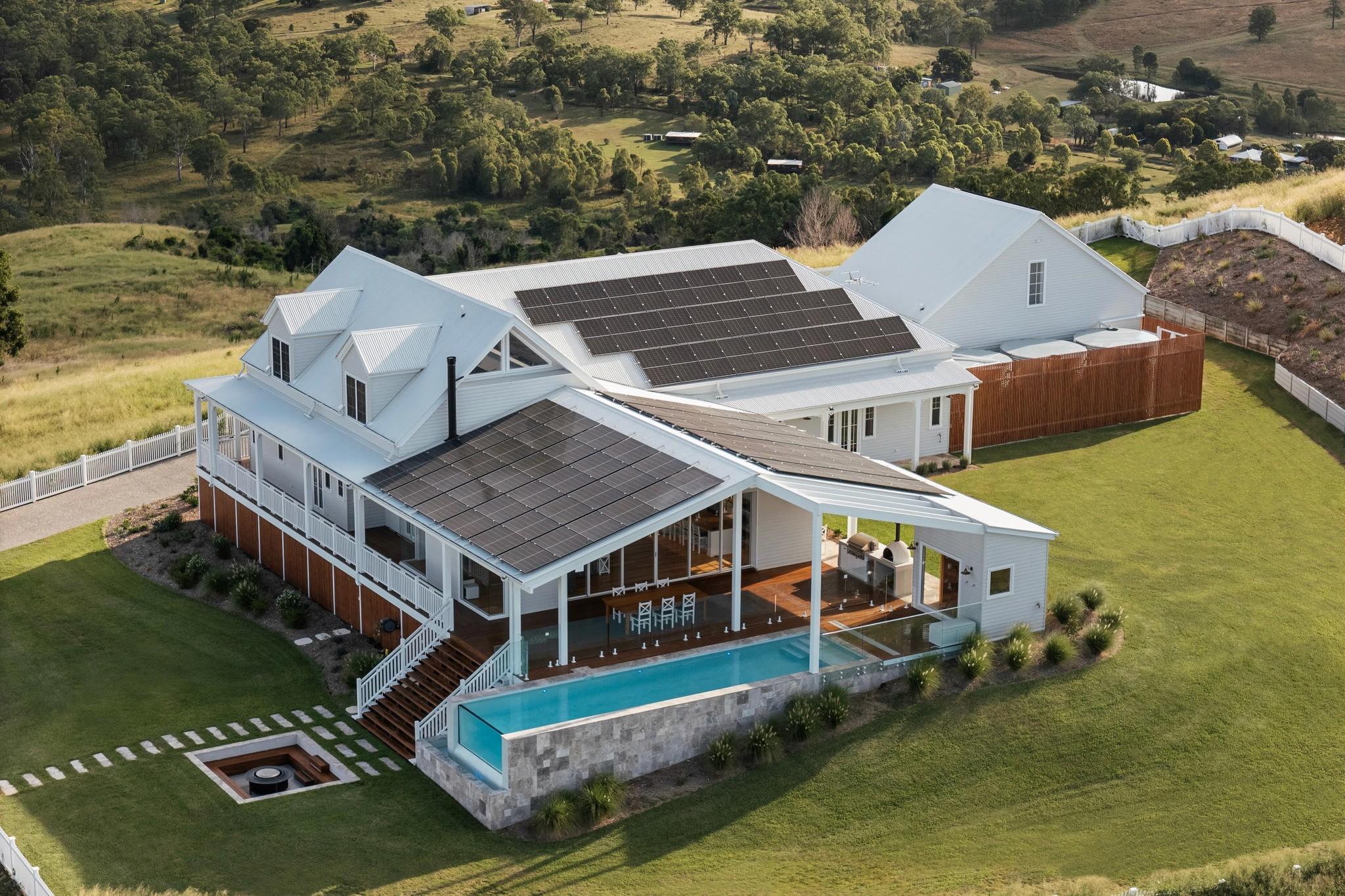
This is where installing rooftop solar panels becomes a powerful asset, turning your home into its own clean energy power station. It also includes choosing high-efficiency appliances and lighting.
Conserving and Reusing Water
Here in Australia, water is one of our most precious resources. Sustainable design treats it that way, building in systems to capture, store, and reuse water wherever possible. This simple step reduces reliance on municipal supplies, lowers water bills, and makes the home far more resilient during dry spells.
Common-sense strategies include:
- Rainwater Harvesting: Large tanks collect rooftop runoff to be used in gardens, laundries, and toilets.
- Greywater Systems: Water from showers and washing machines is filtered and redirected for garden irrigation, turning waste into a resource.
- Efficient Fixtures: Low-flow taps, showerheads, and dual-flush toilets are specified as standard to minimise water use inside.
Integrating the Landscape and Site
Finally, a truly sustainable home doesn’t stop at its walls; it extends right into the surrounding landscape. Thoughtful landscape integration helps manage water, improves biodiversity, and creates a seamless flow between indoor and outdoor living. The home feels like it rests gently on its site rather than dominating it.
This means using native, drought-tolerant plants to cut down on irrigation needs and incorporating permeable surfaces like gravel or specialised pavers. These allow rainwater to soak naturally into the ground, reducing stormwater runoff and replenishing the soil.
Adapting Design to Australian Climates
A home isn't truly sustainable if it fights against its own environment. Australia’s climate is a story of extremes, from the sticky heat of the subtropics to the crisp cool of temperate zones, and a one-size-fits-all design just doesn’t cut it.
This is where good architecture becomes intuitive. It means going deep on the local conditions, sun paths, prevailing breezes, humidity, and temperature swings, and letting that knowledge guide every decision. The result is a home that feels naturally comfortable and efficient, a place that’s a genuine pleasure to live in all year round.
Designing for Subtropical Brisbane
In the warm, humid climate of Brisbane, the game is all about managing heat and humidity. The goal is to create a cool, breezy sanctuary that stays comfortable on the most oppressive summer days without leaning heavily on air conditioning.
We achieve this with a few time-tested strategies:
- Promoting Cross-Ventilation: We place windows, louvres, and doors on opposite sides of the home to capture every available breeze, creating a natural airflow that flushes out warm, stale air.
- Elevating Living Spaces: Raising main living areas allows cooling breezes to circulate beneath the floor, a passive strategy that significantly reduces heat build-up without any mechanical intervention.
- Extensive Shading: Deep eaves, generous verandas, and carefully placed screens are non-negotiable. They act like a wide-brimmed hat for the house, blocking the high-angle summer sun from ever hitting the walls and windows.

- Weather Resilience: For our coastal projects, sustainability also means durability. We build with robust materials and engineer homes for each site’s wind conditions, so they stand strong for the long term.
You can see more on how climate shapes our process in our article on residential architecture design in Brisbane.
Designing for Cool-Temperate Hobart
Our Hobart office works in a very different climate. Hobart sits in the cool temperate zone of the climate zones, so the priorities flip: rather than shedding heat, the home needs to gather and hold it.
- Capturing Winter Sun: North-facing living areas with generous glazing let the low winter sun reach deep into the plan.
- Holding the Warmth: Thermal mass, such as a concrete slab or masonry wall placed where that sun can reach it, stores heat through the day and releases it into the evening.
- Sealing the Envelope: Higher levels of insulation, double glazing and careful airtightness keep that warmth inside, with controlled ventilation to keep the air fresh.
It is the same design thinking as a Brisbane home, applied to a climate that asks for the opposite response.
The Invilla Approach to Sustainable Design
Understanding the principles of sustainable design is one thing; bringing them to life in a bespoke, high-end home is another. At Invilla, our process weaves these principles into the very fabric of your project from day one.
Our approach integrates sustainability at every single stage. We guide our clients, consultants, and builders on a collaborative journey, making sure the final home is a true reflection of that initial vision, a balance of creativity, precision, and everyday liveability.
From Concept to Construction
The journey begins long before the first shovel hits the ground. Our design process is a structured yet flexible path that embeds sustainability into every decision, so nothing is left to chance. It’s this seamless integration that turns a good idea into a great home.
It all starts with a deep dive into your lifestyle and the unique character of your site. We explore how your family lives, how you entertain, and what you need your home to be, both now and in the future. This understanding allows us to craft a design that not only performs sustainably but also feels perfectly aligned with your personal needs.
At its core, our process is about collaboration. We combine your vision with our architectural expertise, creating a home where sustainable performance and luxury design are one and the same.
This collaborative spirit ensures that every choice, from the home's orientation right down to the selection of a single tap, supports the overarching goal: creating a healthy, efficient, and beautiful living environment.
A Step-by-Step Sustainable Journey
Our process is organised to deliver clarity and confidence, breaking down a complex build into manageable stages. Each step builds on the last, with sustainable thinking integrated throughout.
- Concept Design and 3D Visualisation: This is where we lay the groundwork. We analyse the site's climate, orientation, and topography to sketch initial concepts that maximise passive design. Using advanced 3D visualisation, we show you exactly how your home will sit on the land, how it will capture light and breezes, and how it will feel to live in. This makes sustainable choices tangible and genuinely exciting from the outset.
- Design Development and Material Selection: With the core concept locked in, we refine the details. We work closely with you to select materials that are not only aesthetically pleasing but also healthy, durable, and low-impact. This could mean choosing locally sourced timber with a clear chain of custody or specifying low-VOC paints to ensure excellent indoor air quality.
- Comprehensive Construction Documentation: Precision is everything when it comes to execution. We produce a detailed set of drawings and specifications that leave no room for ambiguity. This documentation clearly outlines every sustainable feature, from insulation levels and window performance ratings to water-saving fixtures, ensuring the builder understands exactly what is required to achieve the design intent on site.
Illalangi: Sustainable Design in Practice
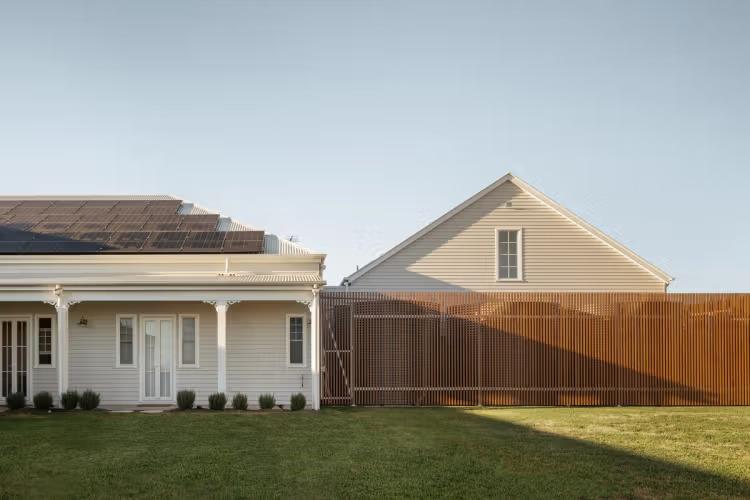
A strong example of this approach in practice is Illalangi, an Invilla project built on a remote site with no access to mains power, water, or services. Constructed using generators, the home now operates completely off-grid through solar power, battery storage, and rainwater collection. It's a project that demonstrates what's possible when sustainable principles are integrated from the very first design decision, without any compromise to liveability or finish quality.
Your Sustainable Home Questions, Answered
Thinking about building a sustainable home often brings up a lot of questions. It’s a different way of looking at how we live, moving past the bare minimum to create homes that are genuinely healthier, more efficient, and feel right for their environment.
Here, we tackle some of the most common queries we hear from our clients. The aim is to give you clear, straightforward answers to help you feel confident about the path ahead.
What Is the Most Sustainable House Design?
There is no single most sustainable design, because the right answer depends on the climate, the site and the family who will live there. The most sustainable homes share a few traits: they are oriented and shaded for their climate, built from durable materials, and fitted with efficient systems such as solar and rainwater harvesting. Passive design comes first, efficient technology second, and materials made to last underpin both.
What’s the Real Difference Between a Sustainable Home and a Standard New Build?
A standard new home is built to satisfy the minimum benchmarks set by the National Construction Code (NCC), focused on basic safety and entry-level energy performance.
A sustainable house design, on the other hand, thinks about the bigger picture. It’s a holistic approach that considers the home’s entire life, from the materials used and how they affect your family’s health, to how the home performs day-to-day and its ability to handle whatever the future climate throws at it.
The key things that set it apart are:
- A ‘Passive First’ Mindset: The design cleverly works with the climate to all but eliminate the need for artificial heating and cooling. This is always the first priority.
- Healthier Materials: We focus on using non-toxic, recycled, or locally sourced materials that are better for you and the planet.
- Smarter Resource Management: The home incorporates practical measures like rainwater harvesting and greywater recycling to make every drop count.
- Clean Energy Built-In: It’s designed from day one to integrate renewable energy, usually rooftop solar, to dramatically reduce or even do away with your reliance on the grid.
The end result isn't just a home that’s kinder to the environment. It’s a home that is significantly cheaper to run, far more comfortable to live in, and a healthier place for your family to grow.
Does a Sustainable Design Mean I Have to Compromise on Style?
This is one of the biggest myths we come across, and the answer is a definite no. Sustainable design isn't an aesthetic; it’s a set of principles that works behind the scenes. It can be woven into any architectural style you can dream of, whether that's minimalist modern, classic coastal, or even a sensitive renovation of a traditional Queenslander.
At Invilla, our job is to integrate these principles seamlessly into your vision. High-performance windows, for instance, come in a huge range of frame materials and styles to suit any look. Sustainable timber can be used for everything from the structural frame to beautiful interior joinery and exterior cladding.
In fact, many sustainable materials, like natural stone, character-rich reclaimed timber, or solid rammed earth, add a depth and texture to a luxury home that conventional materials just can’t match. They tell a story and connect the building to its surroundings. The goal is always to make smart choices that lift the home’s performance without ever sacrificing the high-end aesthetic our clients expect.
What Is a Green Star Rating, and Do I Need One?
Green Star is Australia’s official sustainability rating system for buildings, run by the Green Building Council of Australia. It’s a formal, rigorous framework that assesses a project’s environmental performance across a whole range of categories, from energy and water to materials and indoor air quality.
Achieving a formal Green Star certification is a brilliant way to validate a home's credentials and is often done for large-scale or landmark projects. It gives you a trusted, third-party endorsement that your home is genuinely high-performing.
However, for a single residential home, formal certification isn’t always necessary. At Invilla, we frequently design homes to meet Green Star principles without undertaking the formal certification process. This approach lets you enjoy exceptional comfort, significantly reduced running costs, and a healthy indoor environment.
Ready to create a home where luxury design and sustainable performance are one and the same? Contact Invilla Architecture to start the conversation about your project.