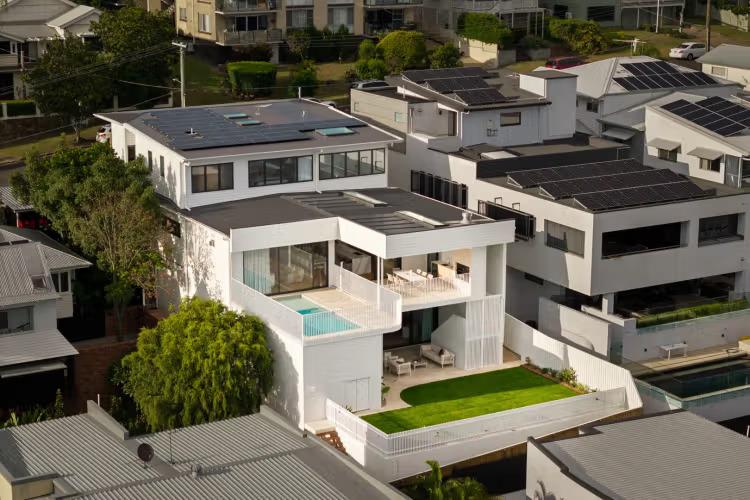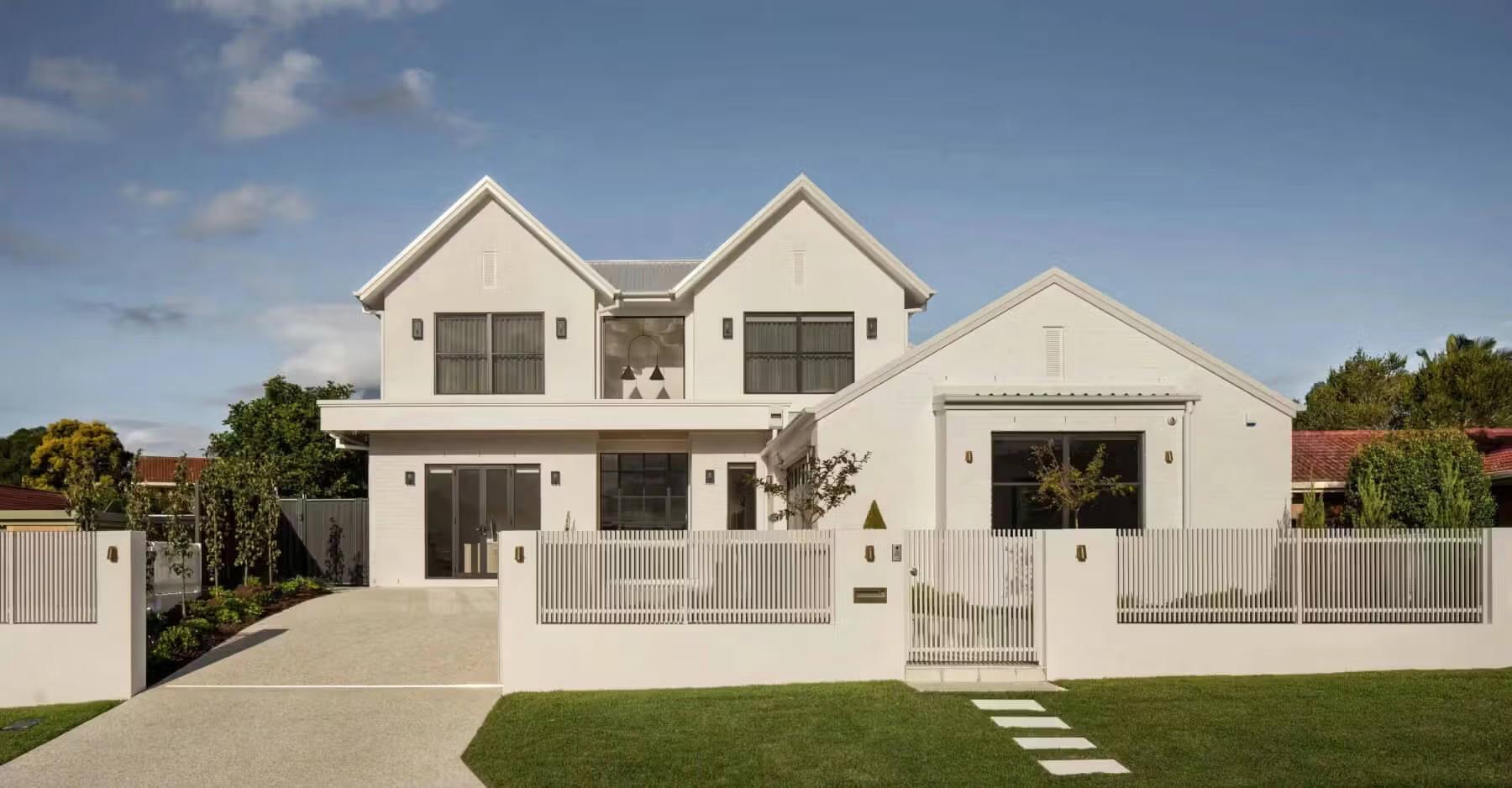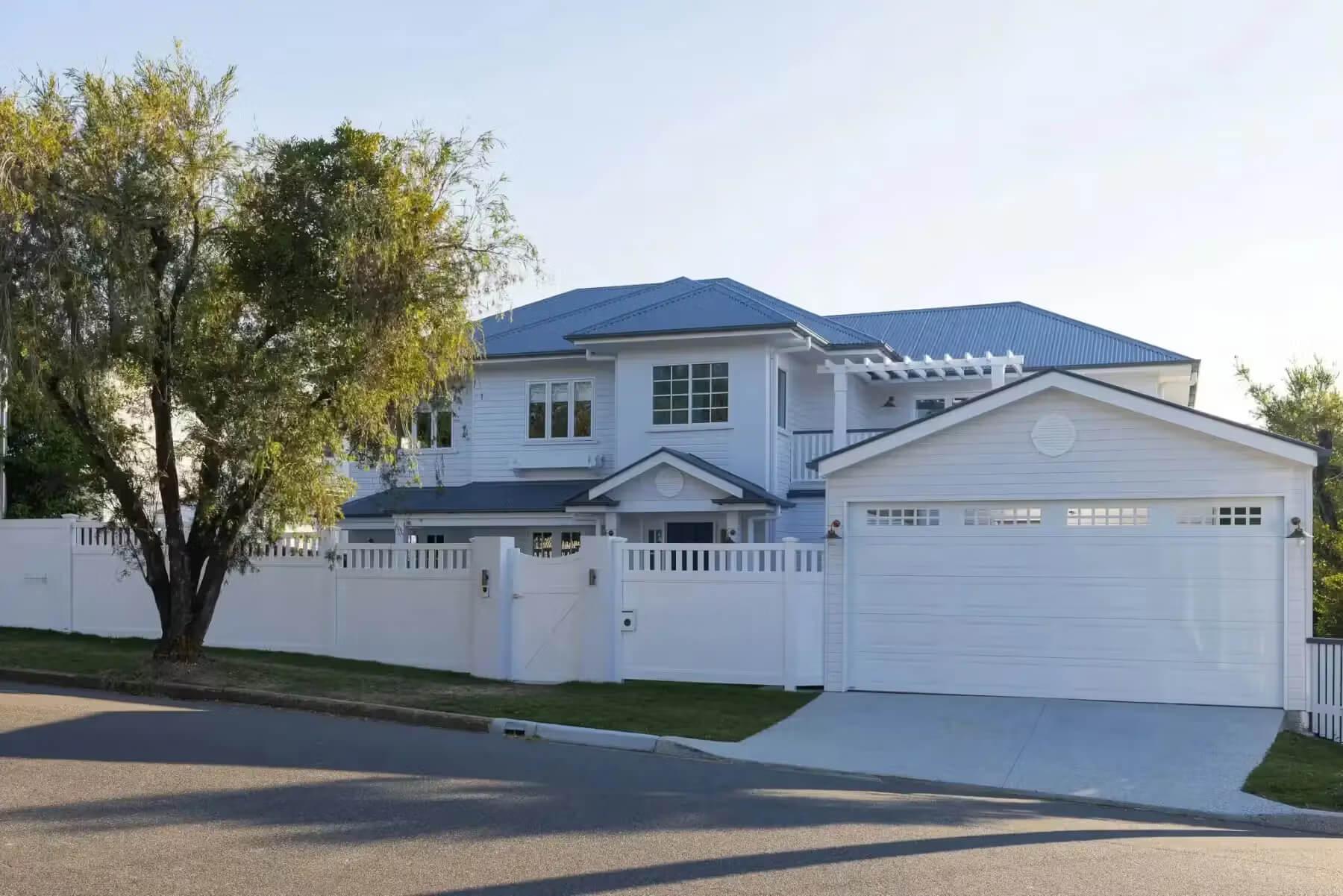


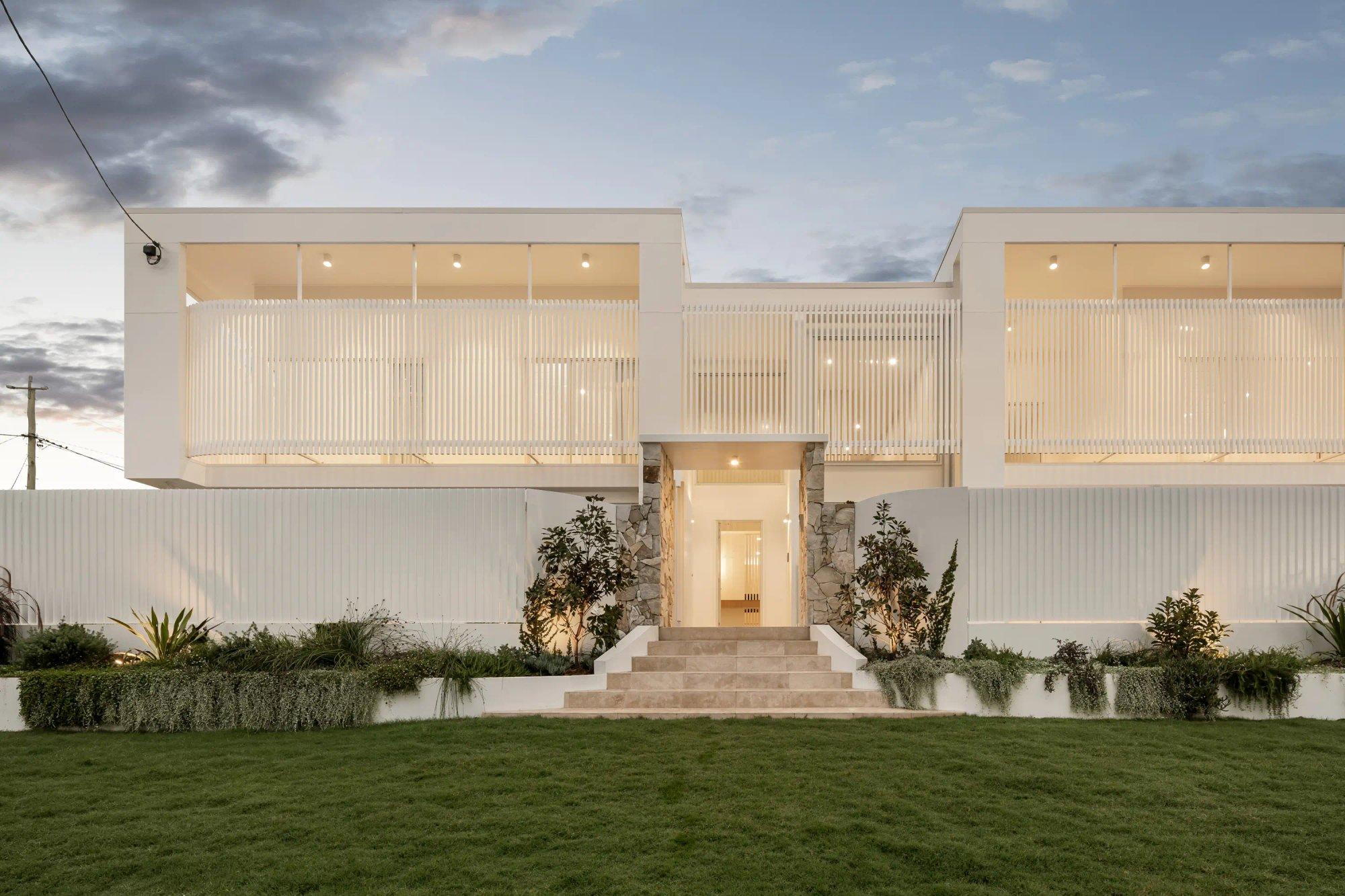
In Australia, a complete knock down rebuild typically costs between $350,000 and $1.2 million or more. That covers demolition ($15,000 to $40,000+), design and approvals ($10,000 to $50,000+), site preparation ($5,000 to $25,000+), new construction ($300,000 to $1,000,000+) and external works ($20,000 to $100,000+). Online calculators usually estimate the build alone, so a realistic budget allows for every phase.
Making Sense of Knock Down Rebuild Cost Calculators
When you’re first exploring a knock down rebuild, one of the first things you’ll probably look for is a knock down rebuild cost calculator. These online tools are a great starting point, giving you a ballpark idea of the total expense involved in demolishing your current house to build a new one in its place.
They help you map out the major costs, from demolition and site works to the final build and finishes, and give you a preliminary budget to work with. Most calculators don’t factor in site conditions, approvals, access constraints or soil requirements, so the figure you see is only a base indication.
Demystifying Your Total Project Budget
Embarking on a knock down rebuild is a huge decision, and the biggest question is always the final cost. It's easy to get caught up in a simple cost-per-square-metre figure, but that number rarely tells the whole story. In my experience, this approach often misses crucial expenses that stack up, leading to budget blowouts down the track.
Getting a handle on the full financial picture right from the start is the key to a successful, stress-free build.
A truly comprehensive budget covers much more than just the new home's construction. Costs start adding up long before the first slab is poured. Before you reach construction, several major cost categories start shaping your overall budget.
- Demolition and Site Preparation: This is the first practical step, covering the safe teardown of the old house, proper disposal of all materials, and getting the land ready for what’s next.
- Design and Approvals: These are the fees for your architect or designer to draw up your vision, plus all the necessary council permits and approvals to make it official.
- New Home Construction: The big one. This covers all materials, labour, and every aspect of building the new house itself.
- External Works and Final Fit-Out: These are the forgotten costs that make a house a home. Think driveways, fencing, gardens, decks, and any other external works.
A Practical Cost Breakdown
To give you a more realistic financial snapshot, it helps to see how these different phases translate into actual figures. While every project is unique, the table below outlines indicative ranges you may see across a typical Australian knock down rebuild project.
Typical Knock Down Rebuild Cost Breakdown in Australia
This table provides an estimated cost range for each major phase of a standard project, giving you a clearer sense of how each stage contributes to the total cost.
Project Phase | Typical Cost Range (AUD) | Key Factors Influencing Cost |
|---|---|---|
Demolition | $15,000 - $40,000+ | House size, asbestos removal, site access |
Design & Approvals | $10,000 - $50,000+ | Architectural complexity, council fees |
Site Preparation | $5,000 - $25,000+ | Soil quality, land slope, new service connections |
New Construction | $300,000 - $1,000,000+ | Home size, number of levels, quality of finishes |
External Works & Final Fit-Out | $20,000 - $100,000+ | Landscaping, driveways, fencing, pools |
Remember, a knock down rebuild cost calculator is a useful first step, but it’s still just an estimate. The true cost will only become clear once your designs are finalised and you start getting detailed quotes from builders.
Decoding Your Demolition Quote
Before a single piece of your new home’s frame can go up, the old one must come down. This first step, demolition, is a hefty line item in your budget and a non-negotiable input for any accurate knock down rebuild cost estimate. It involves meticulous planning, strict safety protocols, and navigating the maze of council regulations.
For most knock down rebuilds, the budget is split between two major phases: demolition and construction. The demolition alone can set you back anywhere from $15,000 to over $40,000, depending almost entirely on your specific property. This huge variation is why those back-of-the-napkin estimates you find online are rarely accurate. For a line-by-line look at this phase, see our guide to house demolition costs in Australia.
What Really Drives Demolition Costs
A few key factors shape where your demolition quote will land. The first is the size and construction of your existing home. A large double-brick structure takes more labour, more machinery and more time to dismantle than a small timber cottage, and costs adjust accordingly.
Site access also plays a significant role. Homes on narrow streets, steep blocks or tight inner-city lots can limit the machinery a contractor can use. When access is restricted, more of the job has to be done by hand, which slows the process and increases labour costs.
Pro Tip: Always get a demolition contractor on site before they quote. Anything done sight-unseen is effectively a guess.
The final major driver is the presence of hazardous materials, most commonly asbestos. If your home was built before 1990, there’s a reasonable chance asbestos exists somewhere within the structure.
- Identification: A licensed assessor must confirm if asbestos is present and how extensive it is.
- Removal: Only specialised contractors can handle removal and disposal, and they must follow strict safety protocols.
- Disposal: Hazardous waste can only go to approved facilities, which charge higher fees than standard landfill.
Cutting corners with asbestos isn’t just unsafe, it can lead to fines, delays and major budget blowouts.
The Hidden Costs Inside a Demolition Quote
A demolition quote is more than just the cost of removing the existing structure. There are several essential services that sit in the background, and they can meaningfully influence your overall budget.
Service disconnections are the first. Before demolition can begin, electricity, gas, water and sewerage must be professionally disconnected from the mains. Each utility requires coordination and carries its own fees, which are separate from the physical demolition work.
You’ll also need the appropriate council permits. Demolition is a regulated activity, and most councils require an application, associated fees and, in many cases, a waste management plan outlining how materials will be handled, recycled or disposed of.
Then there are the additional items on your property that may need to be removed at the same time. These could include:
- Secondary structures such as sheds or carports
- Swimming pools
- Concrete driveways or slabs
- Mature trees or significant vegetation
Each of these adds to the scope, time and cost of the job, and will be factored into your contractor's pricing. Most online calculators don’t include these items. If your home was built before 1990, there is a reasonable chance asbestos exists somewhere within the structure. The Australian Government's guidance for householders and renovators explains where it is commonly found and the rules around removal.
Understanding these components early helps you build a realistic demolition allowance, and makes the transition to the design and build phase far smoother.
What Shapes the Cost of Your New Home Build
The build itself is the largest part of any knock down rebuild budget. It’s the stage where your design becomes structure, materials and workmanship, and it’s also where costs can drift the furthest from what a calculator predicts. Three things influence construction pricing more than anything else: size, complexity and the level of finish. A larger home naturally costs more to build, but the way that space is arranged matters just as much as the total floor area. Homes with simple, efficient forms are generally more economical to construct, while designs with multiple levels require additional labour, engineering and trade coordination.
National building data shows wide variation, with typical construction costs ranging from the low $300,000s for smaller, simpler homes through to the higher $400,000s and beyond for larger or more complex builds. It’s a reminder that broad estimates only become meaningful once they’re grounded in a specific design and scope of work.
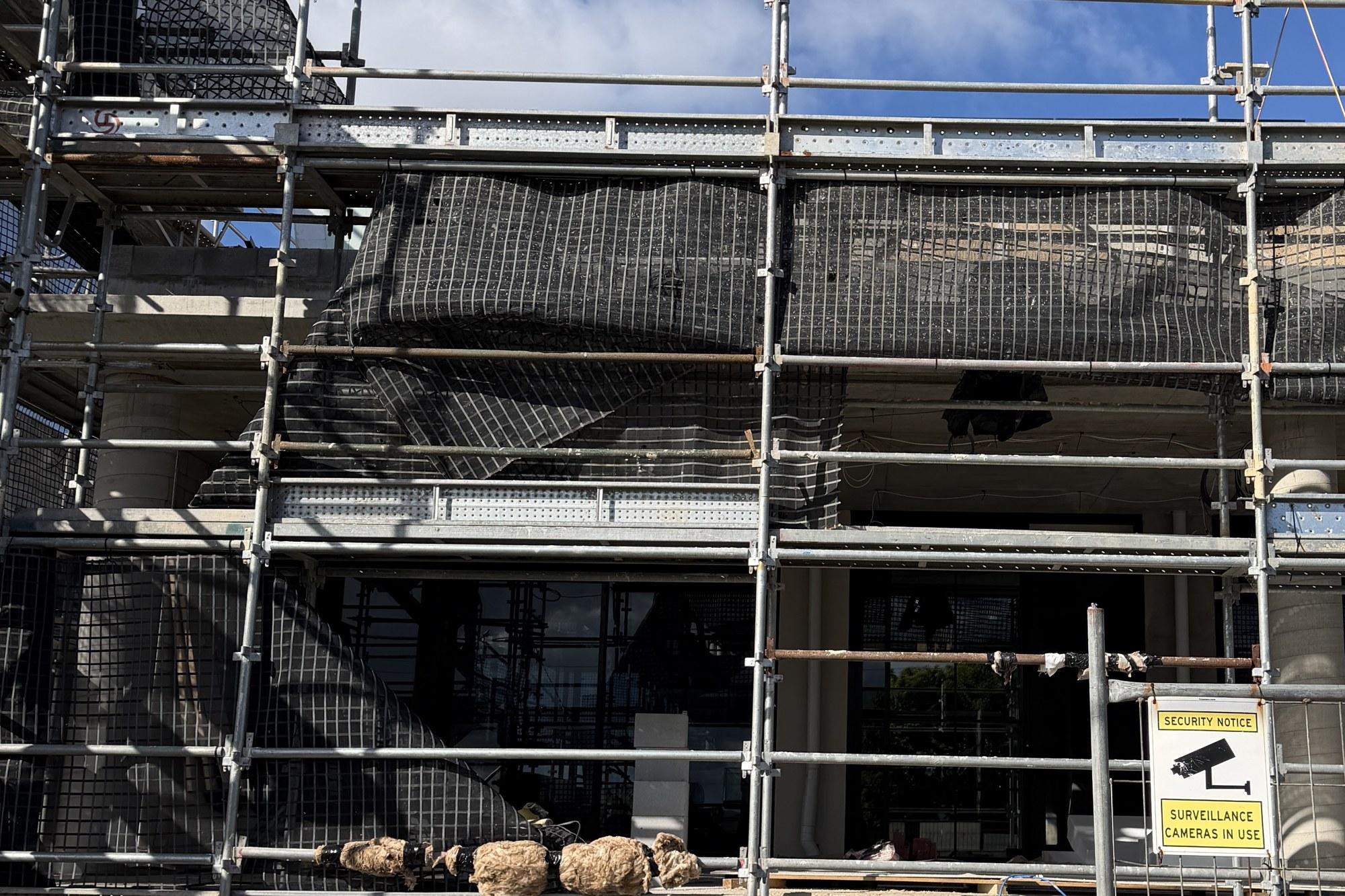
Your selection choices are the other major variable. Flooring, joinery, fixtures and finishes all sit across a wide cost spectrum, and small changes, a different tile, an upgraded tap, timber instead of carpet, can accumulate quickly when applied throughout the home. Two designs with identical floor areas can land at very different price points once these decisions are made.
Understanding these drivers early helps you interpret calculator estimates with more clarity, and gives you a realistic sense of how your choices will shape the total construction budget as you move into detailed design.
Site-Specific Costs
Most online calculators assume a flat site with average soil, but real blocks rarely behave that way. Once surveying and soil testing begin, extra requirements can emerge that shift the construction budget. Reactive soils may need a more robust foundation system, sloping land can require excavation and retaining, and tight access can add labour and equipment costs. In some areas, additional engineering requirements can also influence how the home is designed and built.
These conditions aren’t flaws, they’re simply realities that calculators can’t see. Understanding them early helps keep expectations grounded, and it’s one of the key reasons an architect’s or builder’s site assessment is so valuable before you set a firm construction budget.
Costs Beyond Construction
A truly reliable budget sees the whole picture, not just the big-ticket items like demolition and the new build. Too many homeowners get tunnel-vision on the construction quote and completely overlook a host of other expenses. These "hidden costs" have a nasty habit of quietly accumulating, turning a well-planned project into a stressful financial scramble.
Think of your main construction contract as the core of your budget, but not all of it. A detailed budget should prompt you to think about these extras, but it's critical to understand what they are and why they're necessary. Failing to account for them is one of the most common reasons projects go over budget. These additional costs typically fall outside what calculators estimate, so they’re important to allow for early.
Professional Fees and Council Charges
Long before a single shovel hits the dirt, you'll need to invest in professional expertise and navigate the labyrinth of council approvals. These upfront costs are essential for a smooth, legally compliant project. They’re simply non-negotiable.
You'll need to pull together a team of consultants to get your project off the ground. This team nearly always includes:
- Surveyors: To map out a detailed survey of your land, showing boundaries, contours, and existing features.
- Geotechnical Engineers: To conduct soil testing, which is crucial for determining the specific requirements for your new home's foundations.
- Structural Engineers: To design the bones of your new home, ensuring it's safe, sound, and built to last.
These reports are critical information for both your architect and builder. On top of these consultant fees, you'll have a series of council and certification costs. These can vary significantly between local government areas but typically cover building application fees, Development Application (DA) fees if required, and private certifier costs for inspections. For some projects, especially in new or developing areas, you might even face infrastructure charges.
Connecting Services and Site Works
Your new home needs to be connected to the outside world, and this doesn't happen by magic. While your builder might handle some of it, the responsibility and cost for connecting new services often fall to the homeowner. This means budgeting for the professional disconnection of old services and the new connection of:
- Water and sewerage
- Electricity and gas
- NBN or other telecommunications
The costs here can range from a few thousand dollars to much more, especially if your property sits a long way from the main connection points on your street. This process requires a surprising amount of coordination with multiple utility providers and can be very time-consuming.
It's a wise move to allocate a contingency fund of at least 10% of your total construction cost. This buffer isn't for upgrades; it’s a safety net for unforeseen site issues, price rises, or any of these additional costs you might have underestimated.
Finishing Touches and Accommodation
The builder's contract usually ends when they hand over the keys. But a house isn't a home until the outside is finished and you can actually live in it. These "post-construction" expenses are almost always excluded from a standard building quote.
Your final budget needs to include a realistic allowance for:
- Landscaping: Turfing, garden beds, planting, and irrigation systems.
- Driveways and Paths: Concrete, paving, or gravel access to your home and garage.
- Fencing and Gates: Securing your property's boundaries for privacy and safety.
- Mailbox and Clothesline: Small but essential items that make daily life work.
Perhaps the single most overlooked cost is temporary accommodation. A typical knock down rebuild takes anywhere from 12 to 18 months, sometimes longer. You'll need to budget for rent, moving costs, and potentially storage fees for all your belongings during this entire period. Over the life of the project, it can become one of the most significant line items outside the construction contract itself.
Our project management services can help you coordinate these additional moving parts with clarity and control.
How Location and Market Shifts Affect Your Costs
You can take the same home design and build it in two different postcodes, and the cost will rarely be the same. Labour availability, delivery logistics and suburb density all shape your final quote.
Why Your Postcode Matters So Much
It’s a simple reality of the construction game: building in larger cities is significantly more expensive than building in regional areas. This price gap is driven by a few core factors tied directly to geography.
First and foremost is the cost of skilled labour. Tradies in high-demand urban areas command higher rates, partly due to the higher cost of living but also because of the sheer competition for their skills. That premium on labour flows through every stage of your build, from the foundation pour right through to the final paint touch-ups.
Then there are material logistics. While the materials themselves might cost the same from the supplier, getting them onto a tight, inner-city block with limited access is a far greater challenge than delivering to a spacious regional site. This often means smaller, more frequent deliveries and sometimes specialised equipment like cranes, all of which adds to the bottom line.
A builder’s quote is a direct reflection of their local operating environment. Their network of trades, supplier relationships, and deep understanding of local council quirks are all priced in. That local expertise is invaluable, but it comes at a premium in busy urban markets. If you are planning a project in South East Queensland, our guide to knock down rebuild costs in Brisbane looks at what to expect in the local market.
Understanding Market Volatility and Timing
Your project’s cost isn't just fixed in space; it’s also influenced by time. The building industry is incredibly sensitive to economic cycles, which means the quote you get today could look quite different from one you might get in six months. This volatility makes timing a critical, and often overlooked, part of your budget strategy.
Several key market forces can cause costs to fluctuate:
- Supply Chain Disruptions: Global events can create sudden bottlenecks for essential materials like timber, steel, and windows. When supply is tight and demand is high, prices inevitably rise.
- Inflation and Interest Rates: General economic inflation pushes up the cost of everything, from raw materials to labour. Rising interest rates can also impact a builder’s financing costs, which often get passed on to the client.
- Government Grants and Stimulus: Schemes designed to kickstart the construction sector can create huge surges in demand. While great for the economy, this can lead to labour shortages and longer wait times, driving up prices for everyone.
This constant movement is why it's so important to get timely, detailed quotes and to understand the conditions and timeframes under which they are valid.
The Long-Term Trend of Rising Costs
Beyond the short-term fluctuations, the underlying trend for building costs in Australia has been a steady upward climb. This isn't just a recent thing; it's a pattern that has been developing for over a decade, putting real pressure on both homeowners and builders.
Just look at the numbers. Insurance data shows that the average nominated home rebuild cost was $369,000 back in 2013. By 2022, it had surged to $545,000, a 48% increase. In New South Wales, the jump was even more pronounced, with costs climbing 56% from $394,000 to $614,000 over the same period. You can explore the full home rebuild cost trends report from Budget Direct here.
This historical data underscores why locking in a fixed-price contract with your builder is so valuable. It gives you crucial budget certainty, protecting you from unexpected price hikes on materials or labour that can pop up during the long timeline of a build. When you're planning a project of this scale, understanding these macro trends is just as important as choosing your floor plan.
Common Questions About Knock Down Rebuild Costs
These are the questions we hear most often form homeowners budgeting a knock down rebuild.
How do I calculate a knock down rebuild cost?
Work through the five phases rather than a single square metre rate. Start with demolition, then design and approvals, site preparation, construction and external works, using the ranges in the table above as a first pass. Then have the site assessed. Soil type, slope and access are what move a real quote away from a calculator estimate, so a fixed price only becomes reliable once the design and site conditions are known.
Is It Cheaper to Renovate or Do a Knock Down Rebuild?
This is the classic dilemma, and the answer isn’t always black and white. A simple cosmetic renovation will almost always be cheaper. But the moment you start planning a major structural overhaul, moving walls, adding a second storey, or reconfiguring the entire floor plan, the costs can quickly spiral.
In many cases, a knock down rebuild is actually more cost-effective in the long run. Renovating older homes can reveal hidden issues, like finding outdated wiring, hidden asbestos, or failing plumbing. With a new build, you get a clean slate. You’re working with modern, energy-efficient materials to create a home designed perfectly for your needs, which almost always delivers better long-term value. We compare both paths in detail in our knock down rebuild vs renovation guide.
What Is a Fixed-Price Contract?
A fixed-price contract is an agreement where your builder commits to delivering your new home for a set, predetermined price. The idea is to give you budget certainty, as the builder absorbs the risk of most cost increases for materials or labour during the build.
But it’s crucial to read the fine print. These contracts are only fixed for the specific scope of work detailed within them. Any changes you decide to make after signing, known as variations, will come at an extra cost. The contract will also list exclusions, which are items not covered in the price, like landscaping or new curtains.
A well-detailed fixed-price contract is your best defence against budget blowouts. Make sure it clearly lists all inclusions and exclusions so there are no grey areas or expensive assumptions made down the track.
When Do I Pay for Different Project Stages?
Payments are usually tied to key construction milestones. While your building contract will outline the exact schedule, it generally follows a familiar pattern:
- Deposit: An initial payment made when you sign the contract, which gets the ball rolling.
- Base Stage: Paid once the concrete slab has been poured and completed.
- Frame Stage: Due after the wall and roof frames are up.
- Lock-Up Stage: This payment is made when the house is secure, with external doors, windows, and roofing installed.
- Fixing Stage: Paid once internal fittings like plasterboard, architraves, and cabinetry are installed.
- Completion: The final payment is made at practical completion, right before you get the keys.
This progressive structure ensures your payments line up with tangible progress on site. In Queensland, the QBCC's guidance on deposits and progress payments sets out the rules, including maximum deposits and the requirement that claims match completed work.
Can I Live on the Property During the Build?
Unfortunately, no. For clear safety and liability reasons, the entire block becomes a construction site the moment demolition starts. You can't live in the old house while it's being knocked down, and you can’t move into the new home until it has received its final occupancy certificate.
This is a critical point: you must factor the cost of temporary accommodation into your overall budget. Most knock down rebuild projects take between 12 to 18 months, so you’ll need to account for rent and other living costs for that entire period.
By staying put in the location you already love, a knock down rebuild can deliver a home designed entirely around you. At Invilla Architecture, we guide you through every financial detail with transparency and expertise. If you're ready to plan a home that aligns with your vision and budget, start the conversation.