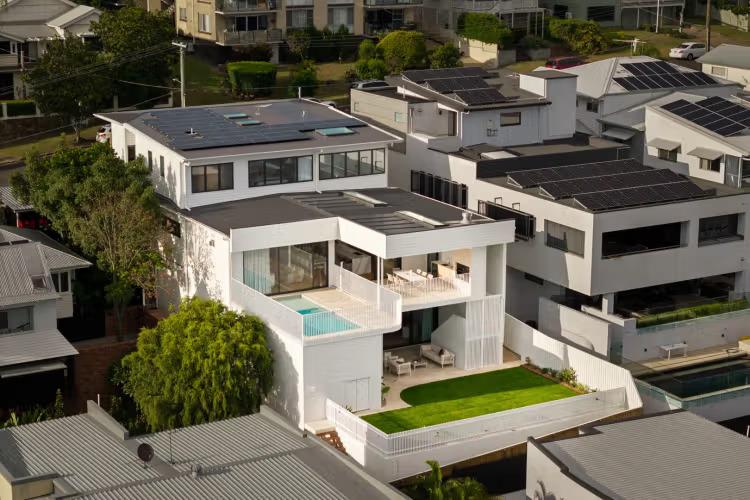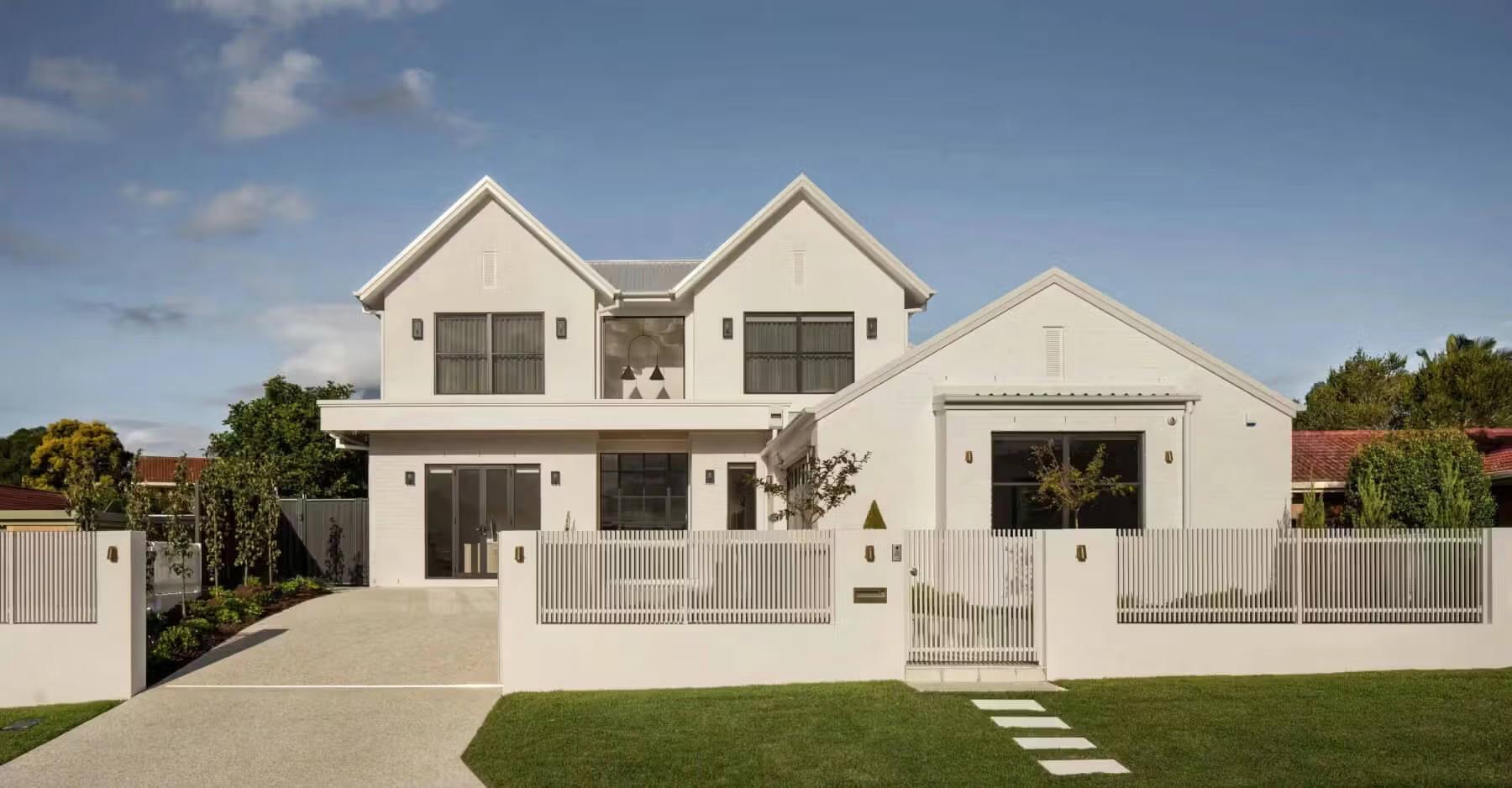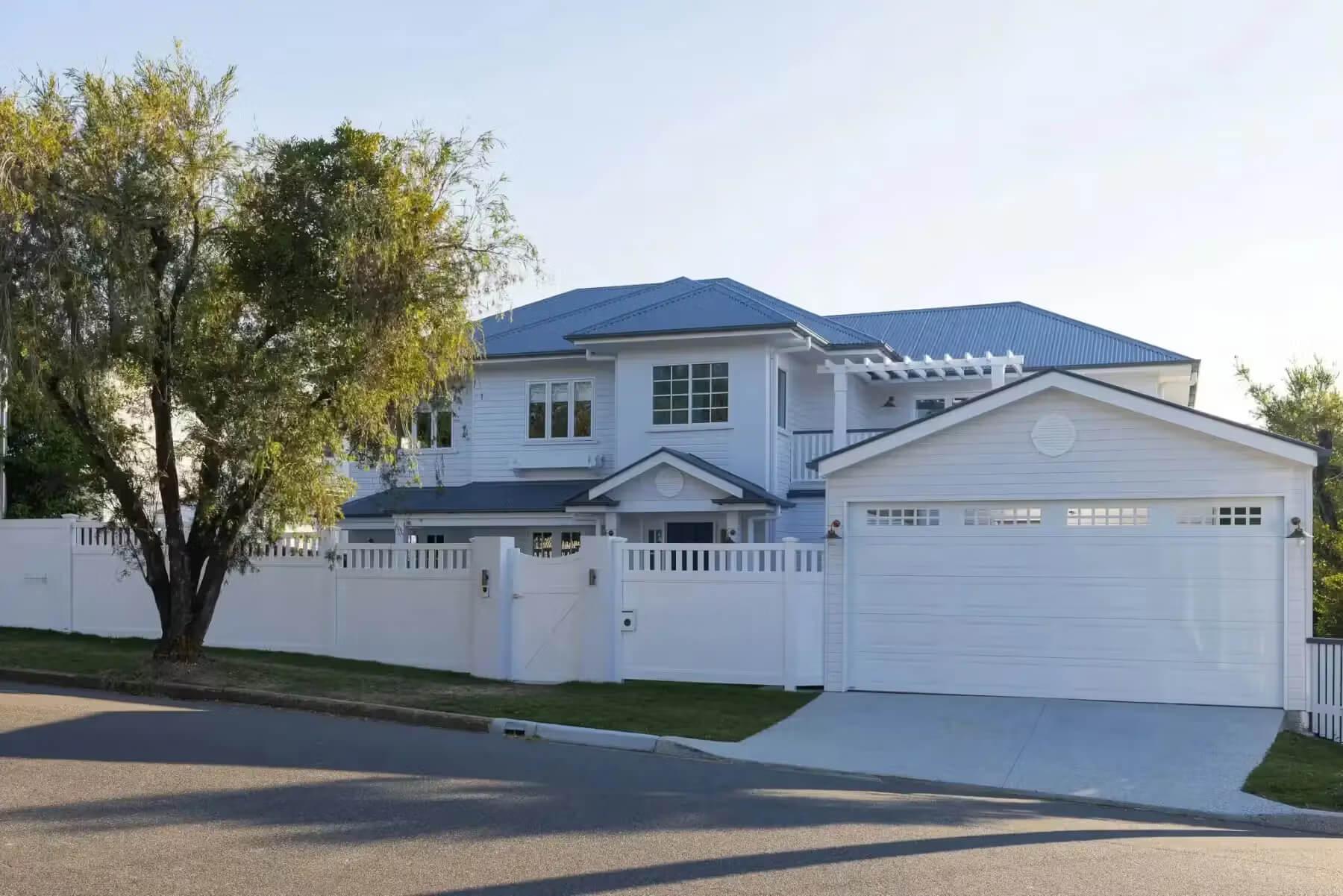



Designing or renovating a custom home is an exciting journey, until you hit the red tape. Dealing with town planning, overlays, and building approvals can quickly feel overwhelming. However, understanding the rules of your local council is a crucial part of ensuring your home is compliant, safe, and built to last.
This is where an experienced architect becomes invaluable. Rather than leaving you to interpret the Brisbane City Council (BCC) City Plan on your own, an architect translates these complex codes into clear design decisions, ensuring your project starts on the right foot without costly delays.
Approvals sit inside our full architectural design service, not with you to untangle.
Understanding DA (Development Approval) vs. BA (Building Approval)
When homeowners talk about "council approval," they are usually referring to one of two things:
- Development Approval (DA): This is required by the local council if your design triggers certain town planning rules. This could be due to building a multi-residential project, building on a small lot, or triggering a character overlay.
- Building Approval (BA): Also known as building certification. Every new build, major renovation, or extension requires a BA to ensure it meets the National Construction Code (NCC) and Australian Standards. This is usually handled by a private building certifier.
How Architects Navigate Overlays and Town Planning Rules
At Invilla, we stay constantly updated on the National Construction Code (NCC), state legislation, and local council planning rules. For residential projects, we frequently navigate site-specific constraints, including:
- Bushfire Attack Level (BAL) ratings
- Flood and overland flow overlays
- Traditional building character (TBC) and heritage overlays
- Small-lot code rules and boundary setbacks
- Maximum building heights and site cover limits
- Challenging site constraints, such as steep slopes or restricted access
Architects design with these conditions in mind from day one. We work closely with private certifiers, structural engineers, and town planners to ensure your project progresses through the correct approval pathway. This means fewer surprises later and a design that is truly tailored to your site’s unique constraints.
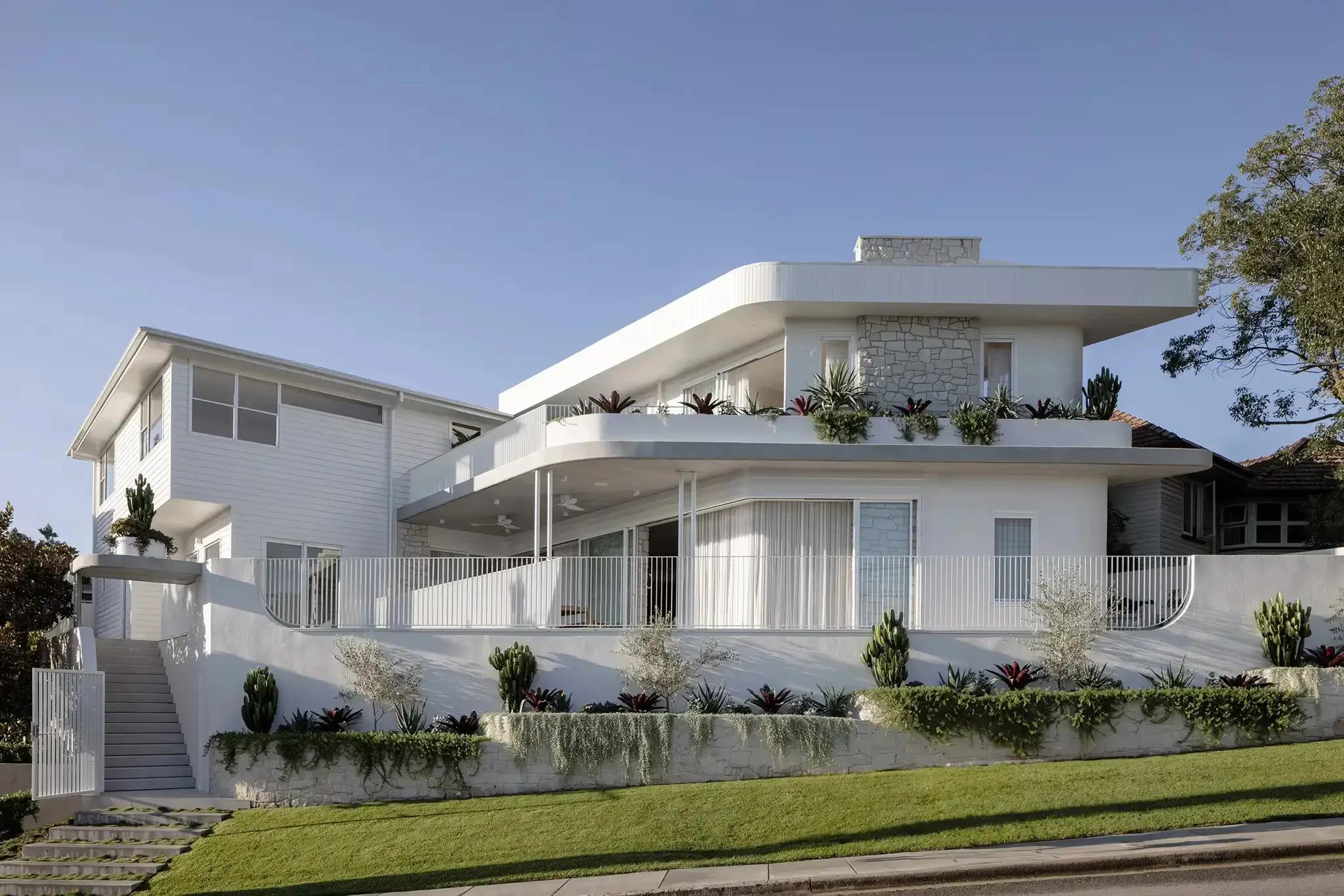
Balancing Your Design Vision with Local Legislation
Rules do not have to restrict great design; they simply shape it. With the right collaboration between your architect, engineer, and certifier, even the most ambitious architectural ideas can be achieved in a compliant way.
Whether you are imagining expansive open-plan living areas, adding a second storey, or minimising the site impact on a steep block, an architect refines the design so it works with the council approvals process rather than fighting against it. Your vision stays intact, supported by a structural and regulatory pathway built for success.
How Architects Reduce Stress and Cost Blowouts
Trying to manage development approvals and building certification on your own often results in:
- Lengthy council delays
- Costly forced redesigns
- Unexpected engineering or earthworks expenses
- General confusion around compliance terminology
Architects lift that burden. By addressing compliance early and coordinating the required consultants, we keep your project moving smoothly. Whether you are planning a new build, a knock down rebuild, or a major renovation, early architectural involvement heavily reduces your risk.
Bringing Confidence to Your Home Design Journey
When it comes to residential design, navigating council approval is essential, but you do not need to do it alone. With Invilla, you can stay focused on the creative side of your dream home, while we manage the compliance, documentation, and certifiers behind the scenes.
Ready to start your project with confidence? If you are considering a new home or renovation in Brisbane, we would love to support you with clear advice and thoughtful design from the very beginning. Book a design consultation with Invilla Architecture today.