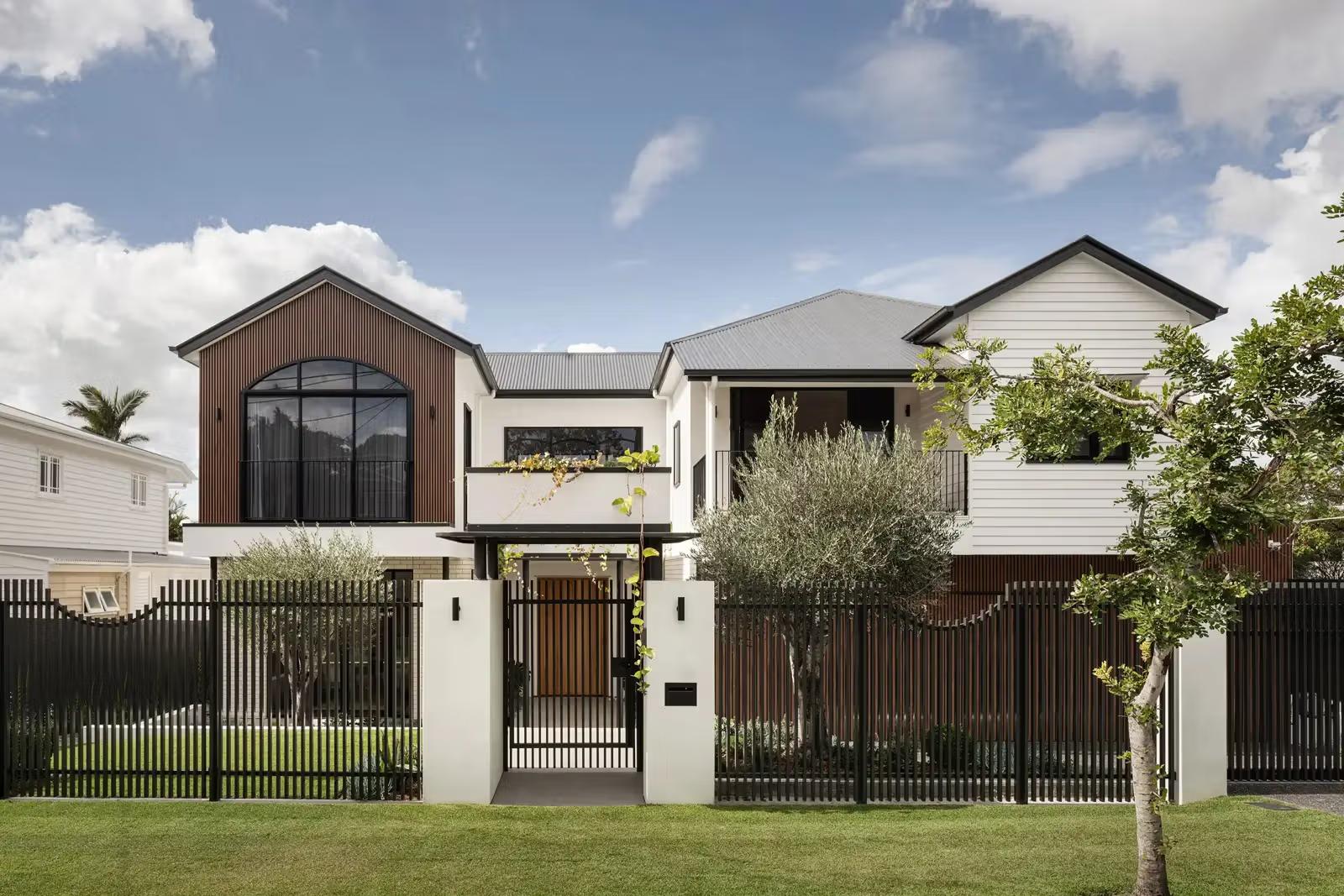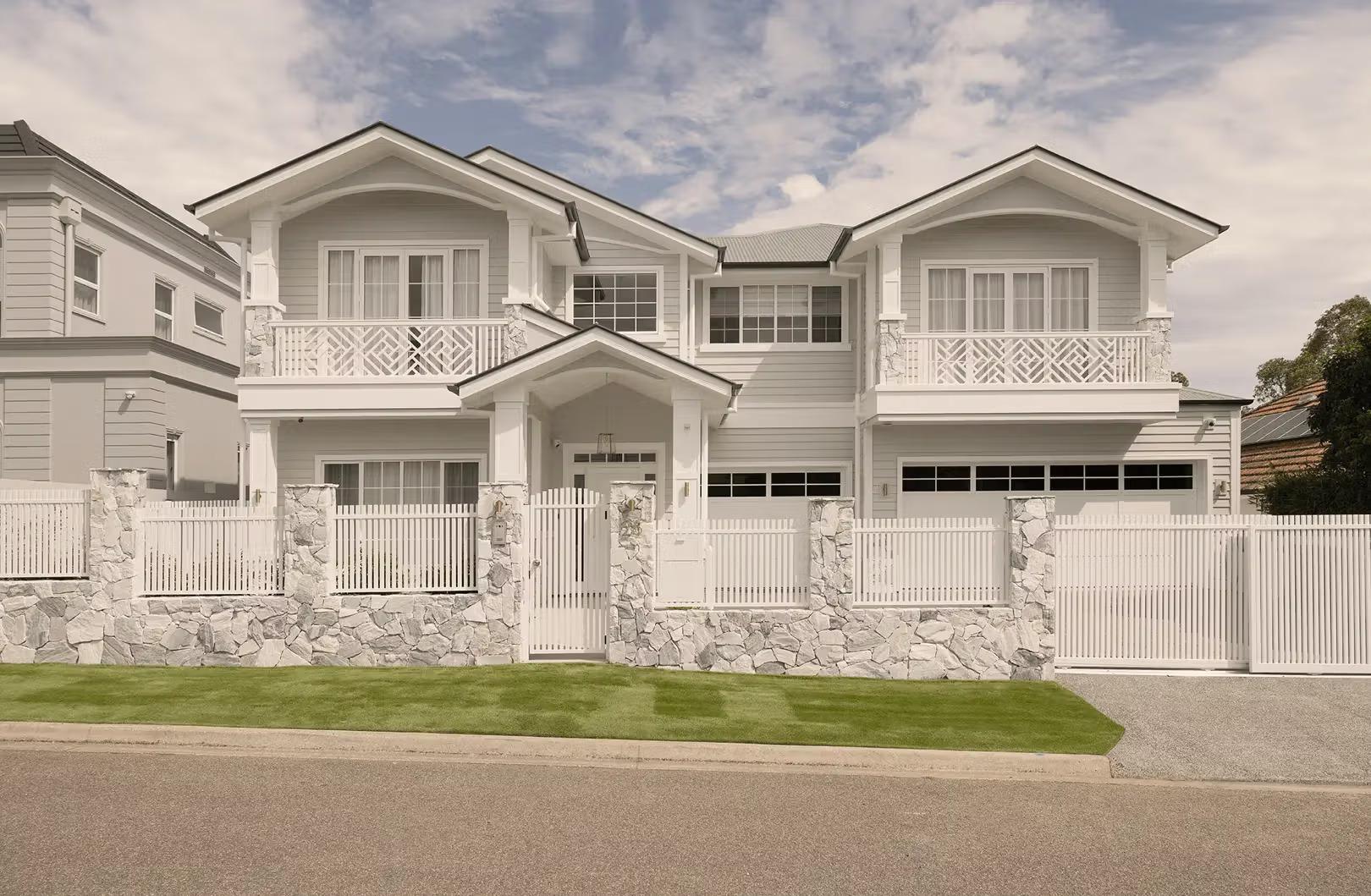


The secret to a modern extension on a Queenslander is counter-intuitive: don't try to make the new part match the old. The best contemporary additions are confidently of their own time and let the original house be exactly what it is. What ties them together isn't imitation, it's a handful of deliberate decisions about how the two halves meet, what they share, and where the line between them sits. Get those right and you end up with a home where old and new each make the other look better.
I'm Joe Verrills, managing director at Invilla. This is the design thinking we bring to every character-home extension, stripped of the jargon.
If you are weighing up your own place, our Queenslander extension architects can tell you early on what the house, the block and the overlay will allow.
Why "matchy-matchy" extensions fail
You've seen the homes that try too hard, a new addition built in fake Victorian trim, reproduction fretwork on a brand-new wall, the whole thing a slightly-off copy of the original. It never quite convinces, because it's pretending. The opposite mistake is just as common: a flat-roofed rendered box slapped onto the back of a delicate timber cottage with no relationship between them at all. The answer sits between those two, a clearly modern extension that's in conversation with the old house rather than copying or ignoring it.
The moves that make old and new belong together
Mark the join honestly
The most elegant solution to the old-meets-new problem is to not hide it. A glazed link, a recessed connector, or a deliberate change in ceiling height between the original house and the new wing creates a clean "seam". You read the old house as old, the new as new, and the transition as intentional. It's also practical, it's the easiest place to manage level changes and weatherproofing.
Carry one thing across
The two halves feel like one home when they share a single thread, not five. It might be a material, a colour, a roof pitch echoed in the new form, or a consistent floor running unbroken from the hallway into the new living space. One carried element does more than a dozen matched details.
Match the floor level
Worth saying again because it's the most common failure: when you step down into the new part of a house, it always reads as an addition. A continuous floor level makes the whole home read as one considered piece.
Let the new form be lower or quieter at the front
In a character street the original house should keep the spotlight. Keeping the new work behind the main roofline, or lower in form, means the streetscape survives, which is also what Brisbane's character overlay generally requires.
Design the new part for the climate
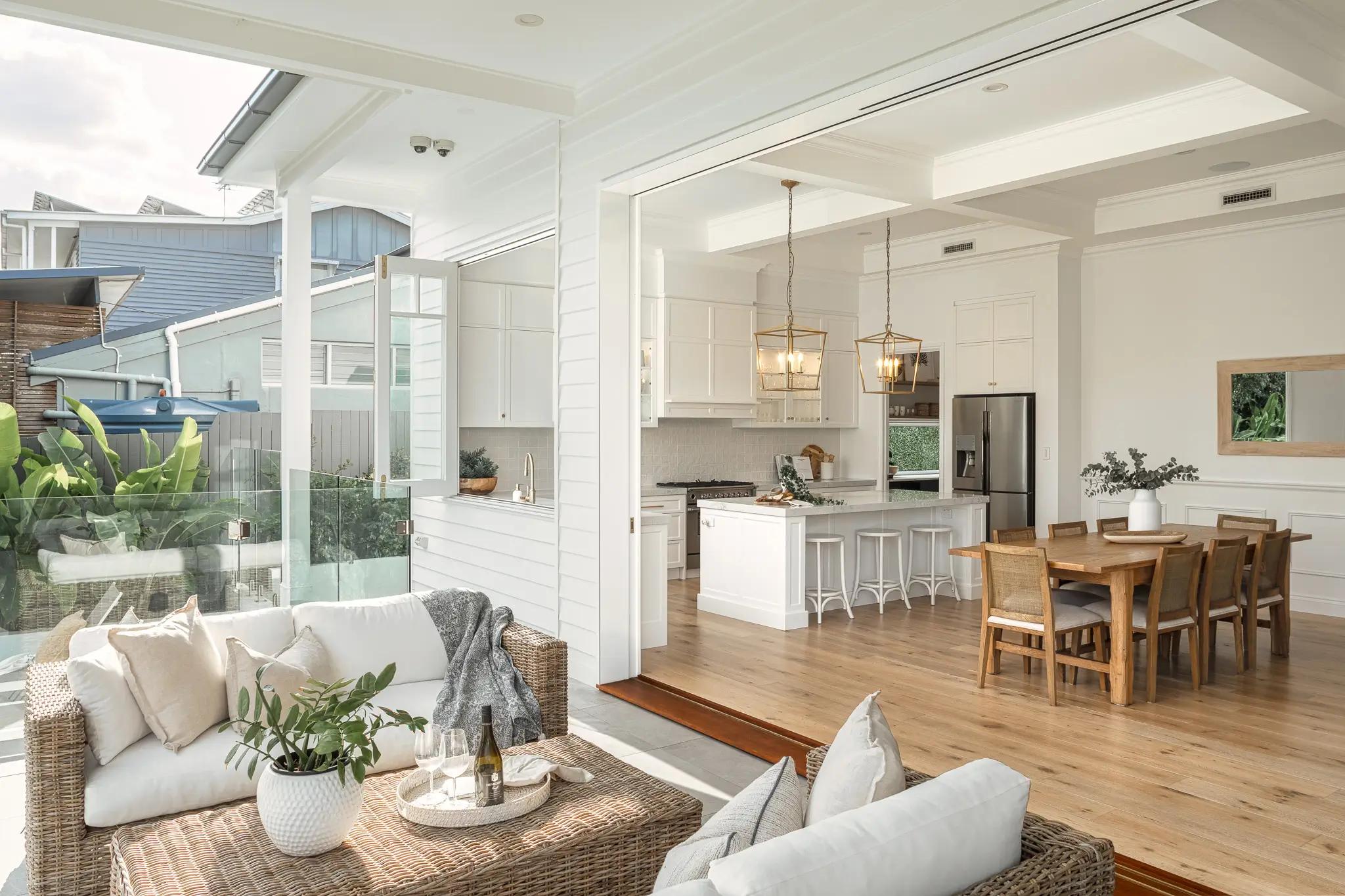
A Queenslander was a passive house before the term existed. A modern extension should honour that: north-oriented living, proper shading on the western and northern glass, cross-ventilation, and a real connection to outdoor living. The new rooms should be the most comfortable in the house, not a glazed box that bakes in February.
Materials that work alongside timber and tin
There's no single right palette, but some consistently sit well against a timber Queenslander: black or dark-framed glazing for crispness; natural timber to echo the original without copying it; off-form or rendered masonry as a quiet contrast; standing-seam or traditional profile metal roofing to nod to the original tin. The principle is restraint, let the materials do their job quietly so the architecture, not the finishes, carries the home.
Inside: light, volume and flow
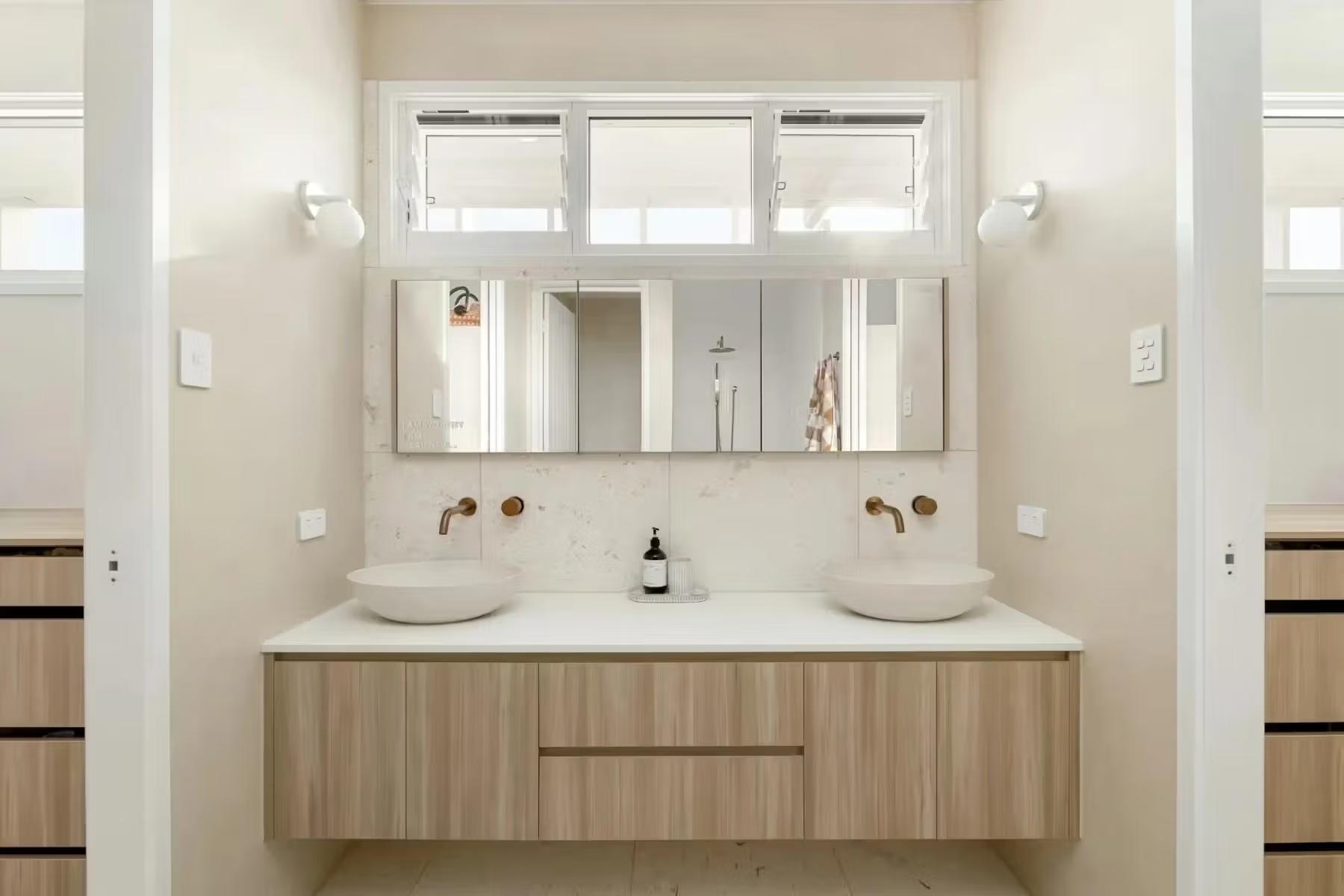
The interior is where the transformation is felt day to day. Lifting ceiling heights in the new wing, bringing in north light, and opening the plan so the kitchen, living and dining flow to a covered deck, this is what makes a modernised Queenslander feel like a different home while the front door stays exactly as it was. To see these ideas in finished projects, our before-and-after Queenslander renovations show the same principles applied across different homes.
Frequently asked questions
Should a modern extension match the original Queenslander? No, it should complement, not copy. A confidently contemporary extension that shares one or two threads with the original reads better than an imitation.
Where should the modern extension go on a Queenslander? Usually at the rear, behind the original roofline, which keeps the character streetscape intact and aligns with council's expectations in character areas.
Can a modern extension be sympathetic and still feel modern? Yes. "Sympathetic" means respecting the original's scale, character and street presence, not abandoning contemporary design. The two coexist comfortably with the right hand.
What's the most common design mistake? A step down into the new addition and a hard, unresolved join between old and new. Matching floor levels and designing a deliberate transition fixes both.
Design an extension that does your Queenslander justice
A character home rewards a careful hand. If you want a modern extension that adds the space and light you need while keeping everything you love about the house, start your project with our Quote Estimator and we'll talk through the right approach for your home, or read the full Queenslander extensions guide first.