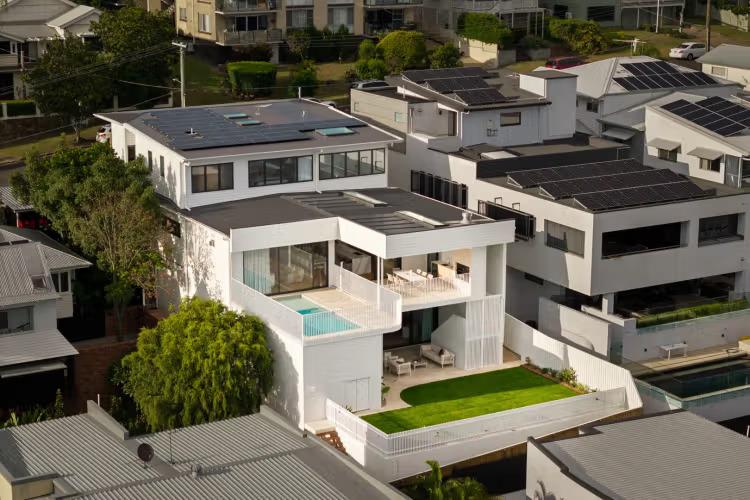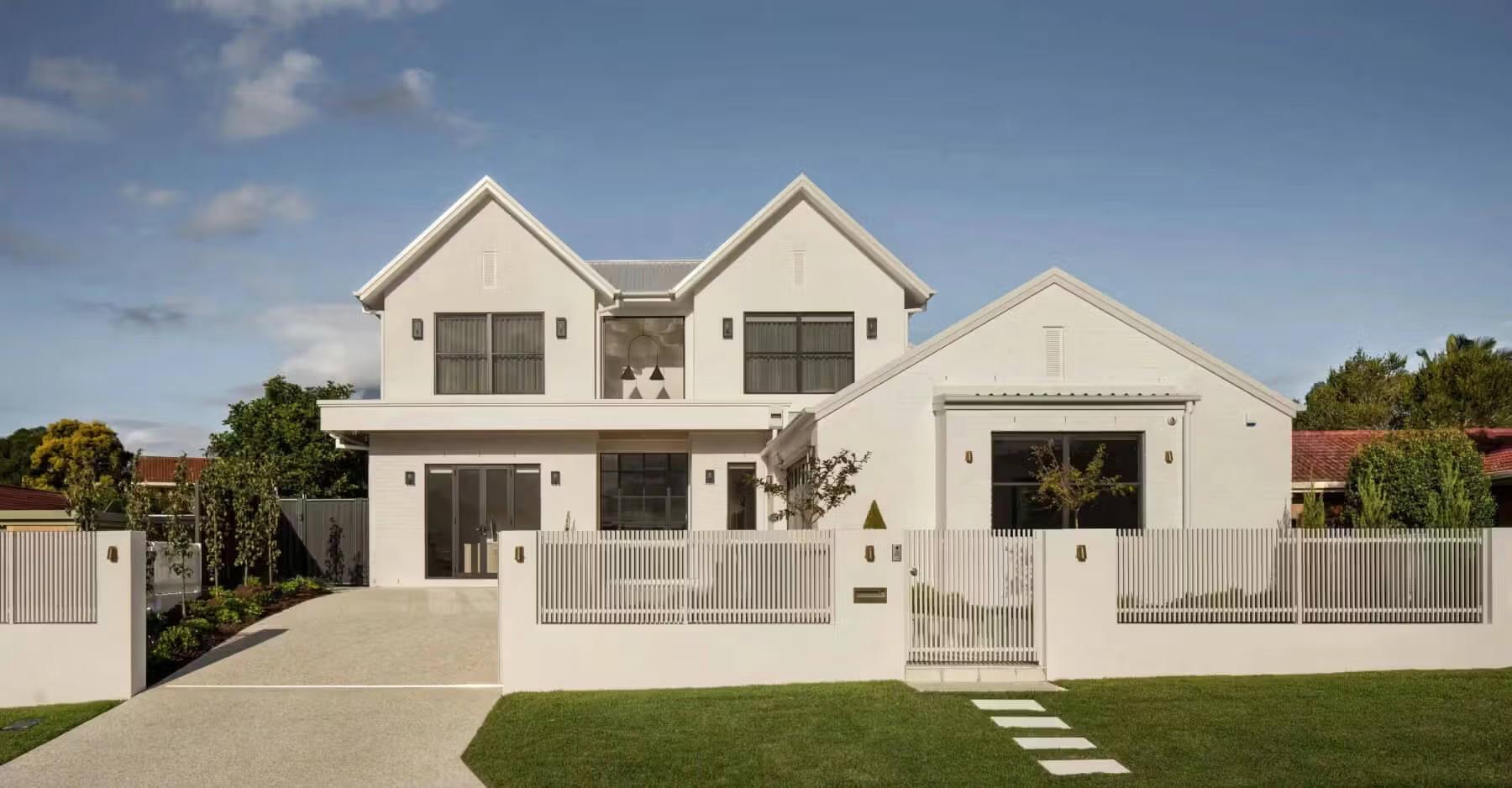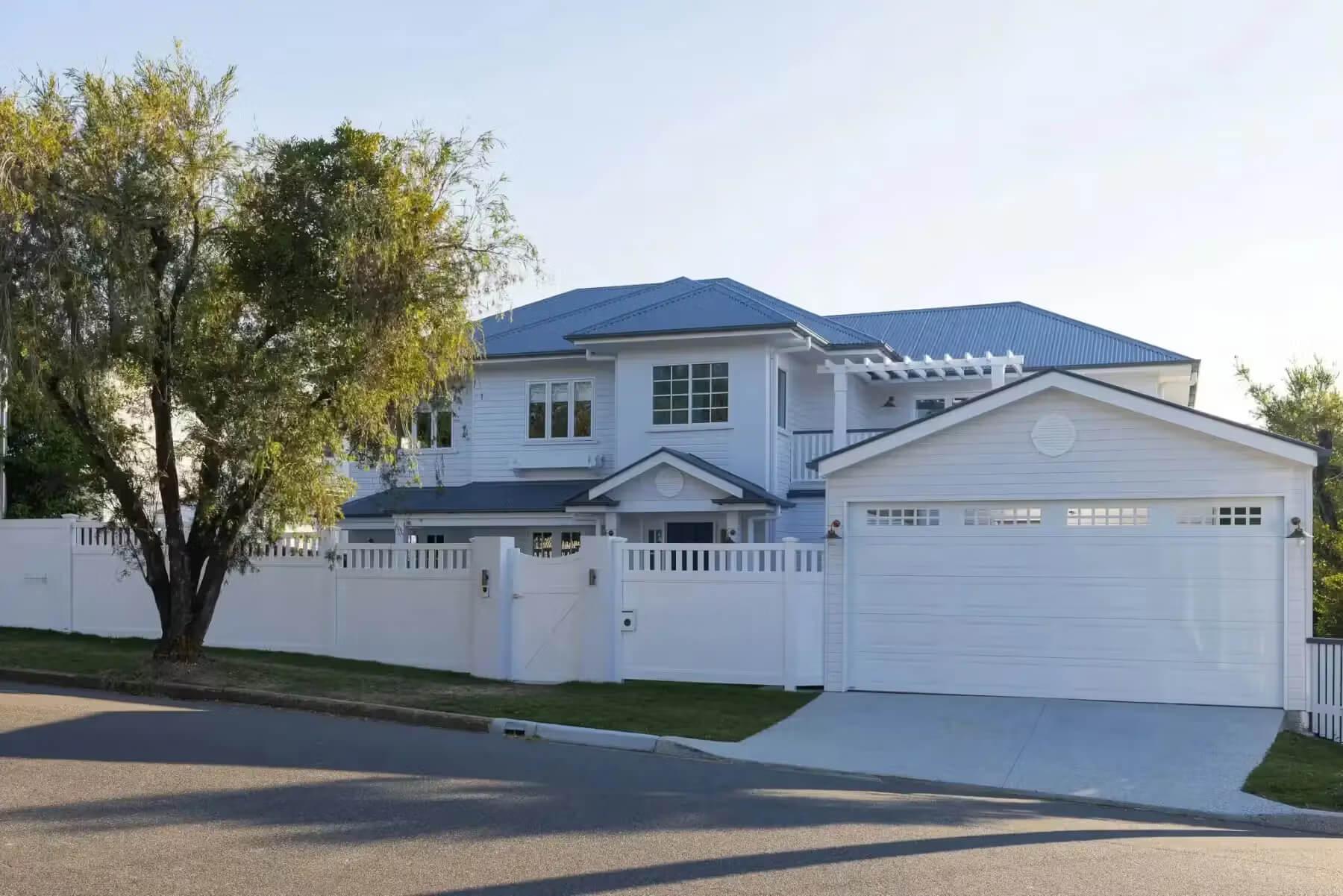


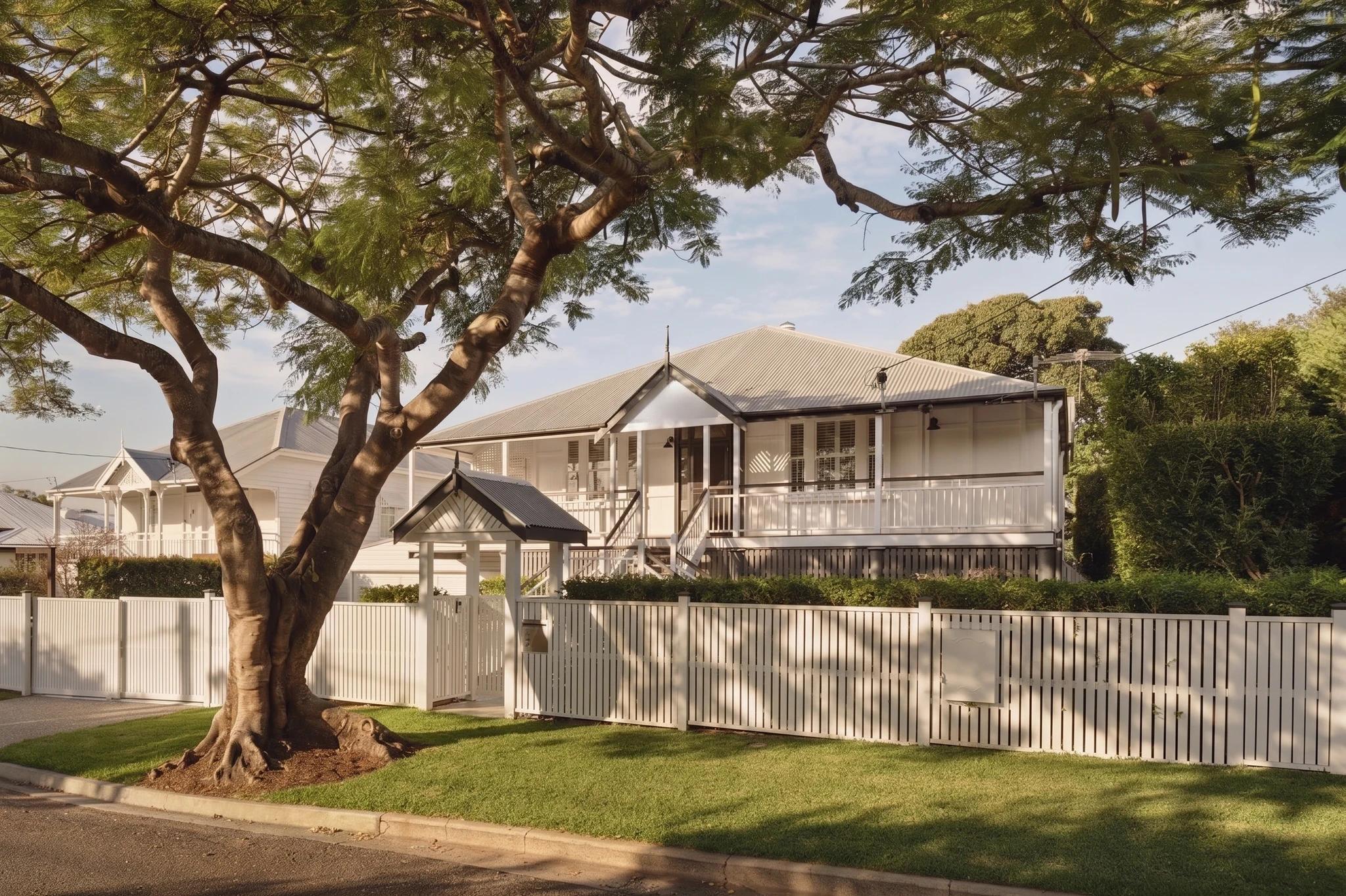
A Queenslander extension done well does one thing above all, it adds the space and light a modern family needs. The best ones are almost invisible from the street: the character front stays intact, and the rear or underside opens into something unmistakably contemporary. Most extensions take one of three forms: out, up, or down. Which one suits your home depends on your block, your budget, and what Brisbane City Plan allows where you live.
I'm Michael Johnston, a director and registered architect at Invilla. We design renovations and extensions for these homes across Brisbane and South East Queensland, so this guide is the version I'd give a client in a first meeting: what's actually possible, what it costs, where the surprises hide, and how to keep the soul of the house while you change it.
What counts as a Queenslander, and why it matters for extending
Queenslander gets used loosely. Strictly, it's a timber-framed, single-skin house raised on stumps with a verandah, built to breathe in the subtropics. Most of our Queenslander projects date from between 1900 and 1946. However there are a few older heritage homes and some more recent Queenslanders (1950-1960) that are still treated like traditional pre-war Queenslanders. The same design logic applies to workers' cottages, colonials and post-war timber homes, which is why this guide covers all of them.
That heritage isn't just sentiment; it changes the engineering. These houses are lightweight and flexible, which makes them far more forgiving to extend than a brick-and-tile home, you can move walls, raise the whole structure, or open the rear without the cost blowing out on structural steel. But single-skin timber walls, hardwood stumps, casement windows and VJ linings all behave in specific ways, and a lot of the cost certainty in a project comes from working with that fabric rather than against it.
It is why Queenslander renovation and extension design is a dedicated service at Invilla rather than a sideline.
The three ways to extend a Queenslander

Out: A rear or side addition
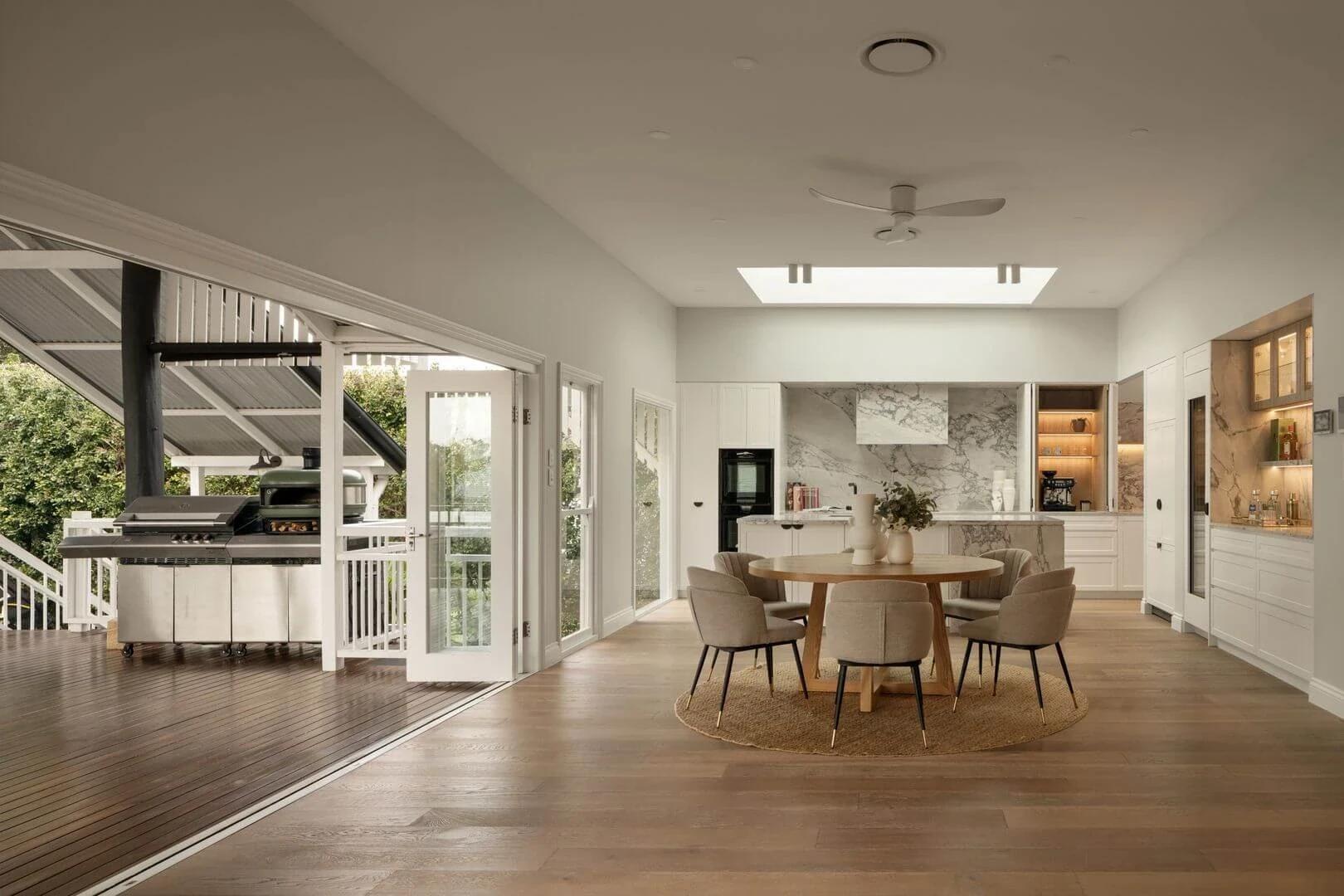
The character rooms at the front stay as bedrooms or formal spaces, and a new open-plan kitchen, living and dining zone flows off the back to a covered deck and the yard. Because the new work sits behind the original roofline, this form is least likely to upset the streetscape.
Up: A second storey
Adding upstairs suits a tight inner-city block where you can't easily raise the existing house or extend out without losing all your garden. It's the most architecturally demanding option: the new level has to sit above the existing structure, behind the highest rearmost point of the original roof form, which means adding new structure. The staircase eats floor area, and the proportions of a Queenslander don't always carry a second storey gracefully. It can be done beautifully, but it needs a careful hand.
Down: A raise and build under
Queenslanders sit high on stumps for a reason, and that under-house space is the most efficient way to increase the size and functionality of your home, maximising the under roof area. Raising the house to a legal ceiling height and building in a new lower level can effectively double your home. It's a big, disruptive job with its own rules and costs, so we've given it its own detailed guide on raising a Queenslander and building underneath.
How much does it cost to extend a Queenslander?
There's no honest single number, because extension covers everything from a modest rear pop to a whole-house transformation. What we can do is be straight about the ranges and, more usefully, about where the money actually goes.
As a guide, a quality rear extension and renovation on a Brisbane Queenslander generally runs between $5,000 and $6,500 per square metre, based on our 2026 build contracts to date, with raise-and-build-under projects running higher again. Two things move that number more than anything else:
- The condition of what's already there. Re-stumping, rewiring, replacing rotten bearers, removing old wet-area waterproofing and dealing with asbestos in mid-century soffits and sheeting are common, and they're the costs that surprise people, because you can't see them from the kerb.
- The level of finish. Joinery, stone, glazing and bespoke detailing are where a renovation moves from renewed to the kind of home our clients are after.
We work to fixed-price fees scaled to the project. Every house and block is different, so the only way to get a real figure is to look at your specific home, and being upfront about the hidden items is the easiest way to avoid a blowout later. Start with a feasibility estimate to see where your home stands.
What does Brisbane City Plan allow?
This is the question that trips up most first-time renovators, and it's the one worth getting right before you fall in love with a design. If your home was built in 1946 or earlier and sits in a Traditional building character area under Brisbane City Plan, there are real controls on what you can demolish and how the street-facing parts of the house can change. The short version: you generally can't demolish or strip its character frontage, but you usually can extend sympathetically at the rear and underneath.
The rules are specific enough, and important enough, that we've written a separate, plain-English guide: can you extend a character home in Brisbane? If you're outside a character area, you have far more freedom, but the design principles below still make for a better home.
How to extend without wrecking the character
Extensions go wrong when the new work is treated as an afterthought, a box bolted onto the back in a clashing material, the join between old and new left raw. Avoiding it isn't about copying the old house, it's about a few deliberate decisions. Match the floor levels so old and new read as one home. Let the new work be confidently contemporary rather than a timid imitation. Use a link or a change in ceiling height to mark the transition. And carry one or two materials or proportions across so the two halves belong to the same family.
We've pulled the design thinking into its own piece: how to add a modern extension to a Queenslander. If you want to see how it reads in finished homes, our before-and-after Queenslander renovations show the same ideas applied across different blocks.
Designing for the Brisbane climate
A Queenslander was a passive house before the term existed, raised for airflow, verandahs for shade, high ceilings to let heat rise. A good extension keeps faith with that. We orient living spaces and openings for cross-ventilation, shade the western and northern glass properly, and connect the new rooms to outdoor living so the house works in a Brisbane summer without running the air-conditioning all day. Done right, the new part of the home is more comfortable than the original, not less, and cheaper to run.
The process, start to finish
Every extension we run follows the same broad path, which is worth knowing so the journey feels less daunting:
- Feasibility and brief. We look at your home, your block, your council constraints and your budget, and work out what's realistic before anyone draws a line.
- Concept design. The big moves, where the extension goes, how it connects, the form and the light.
- Design development and documentation. The detail: materials, joinery, services, the drawings a builder prices and council assesses.
- Approvals. Building approval, and where a character overlay applies, the relevant planning assessment.
- Construction and handover. The build itself, with the design team staying involved so the finished home matches the drawings.
Is it worth extending, or should you knock-down and rebuild?
It's a fair question, and the answer is genuinely it depends. If the house is structurally sound and sits in a character area, extending can be the right call. If it's a non-character post-war home in poor condition on a good block, a knock-down-rebuild may be the better way to go. A feasibility study is how you make that call on evidence rather than instinct, and it's the first thing we'd do with you.
Frequently asked questions
Do I need council approval to extend a Queenslander in Brisbane? Almost always, yes, at minimum a building approval, and if your home is in a Traditional building character area, a planning assessment as well. The earlier you understand which controls apply, the smoother the project runs.
Can I demolish the back of my Queenslander to extend? Often yes. Character controls focus on the original street-facing form; rear additions and removing later, non-original lean-tos at the back are generally where extensions happen. The specifics depend on your overlay, see our character home guide.
What's the cheapest way to add space to a Queenslander? Usually building in underneath an already-raised house, because the floor area is under roof and on existing stumps. Raising a low-set home to do this is a larger project, we cover the numbers in our raise-and-build-under guide.
How long does a Queenslander extension take? Typical design, detailing, council approvals and the broader process take around 9 to 12 months, with construction usually another 10 to 12 months to complete. The exact timeframe depends on the scope of your project and whether a character overlay applies.
Should I use an architect or a draftsperson? For a character home, an architect. Where the design has to satisfy council, work with the existing fabric and still deliver a contemporary result, the design judgement of a registered architect usually pays for itself, in fewer surprises, a smoother approval, and a home that's worth more when it's done.
Start the conversation about your Queenslander
Every one of these homes is different, and so is every block. If you're weighing up an extension, the best first step is a proper look at what your home can become and what it will realistically take. You can start your project with our Quote Estimator, or read on through the cluster below, raising and building under, the character rules, the design approach, and real before-and-after renovations.