

Yes, in almost all cases you can extend a character home in Brisbane, even one protected by the Traditional Building Character Overlay. What you generally can't do is demolish a pre-1947 house or significantly change its street-facing form. The controls are designed to protect what the public sees from the road, not to stop you from modernising and adding space. In practice that means extensions on character homes happen at the rear, underneath and inside, while the original front is restored and kept.
I'm Michael Johnston, a registered architect and director at Invilla. Council planning is where good projects get bogged down, so here's a plain-English explanation of the rules that actually apply, and how we design within them.
Our Queenslander renovation architects deal with the overlay on most projects we take on, so the advice below comes from recent, real applications.
Important: this is general guidance, not planning advice for your specific property. Overlay mapping and code provisions change, so always confirm your home's controls before you design. Brisbane City Council's City Plan online tool is the quickest way to check the overlays and zoning that apply to your block; from there, the Queensland Development Code and any applicable neighbourhood plan also need to be considered. For anything finely balanced, have a town planner or an architect with Brisbane experience confirm it.
What is the Traditional building character overlay?
Brisbane City Plan applies a Traditional Building Character Overlay to large parts of the city's older, pre-war suburbs. Its purpose is to protect the distinctive timber-and-tin streetscapes that give suburbs their identity. on the north side, places like Paddington, Ashgrove, Wilston, Red Hill, Bardon and Ascot, and on the south side, Coorparoo, Camp Hill and Holland Park. If your home sits in this overlay, the way it presents to the street is regulated, and demolishing or removing a building constructed in 1946 or earlier is tightly controlled.
A related Character residential zone in some areas, and the two interact. In practice, a protected home is usually identified by a combination of signals: Character residential zoning, the Traditional Building Character overlay, and confirmation that the house appears on pre-1947 aerial imagery. Where it isn't clear-cut, a heritage consultant's report, or an assessment based on the home's locality and architecture, settles it. The common thread is the date: houses built in 1946 or earlier that contribute to the character of the street are the ones the controls protect. Homes built before 1911 carry a higher level of protection again, where extensions are expected not to alter the original parts of the house.
What you generally can't do
- Demolish a contributing pre-1947 house. Full demolition of a character-contributing home is, in most cases, not supported. This is the control people are most surprised by.
- Strip or alter the character frontage. Removing the verandah, swapping original windows for incompatible ones, or rendering over timber to the street is generally resisted.
- Build a dominant new form in front of or above the original that overwhelms the streetscape. This is generally resisted as a proposal moves through council's town planning assessment.
What you generally can do
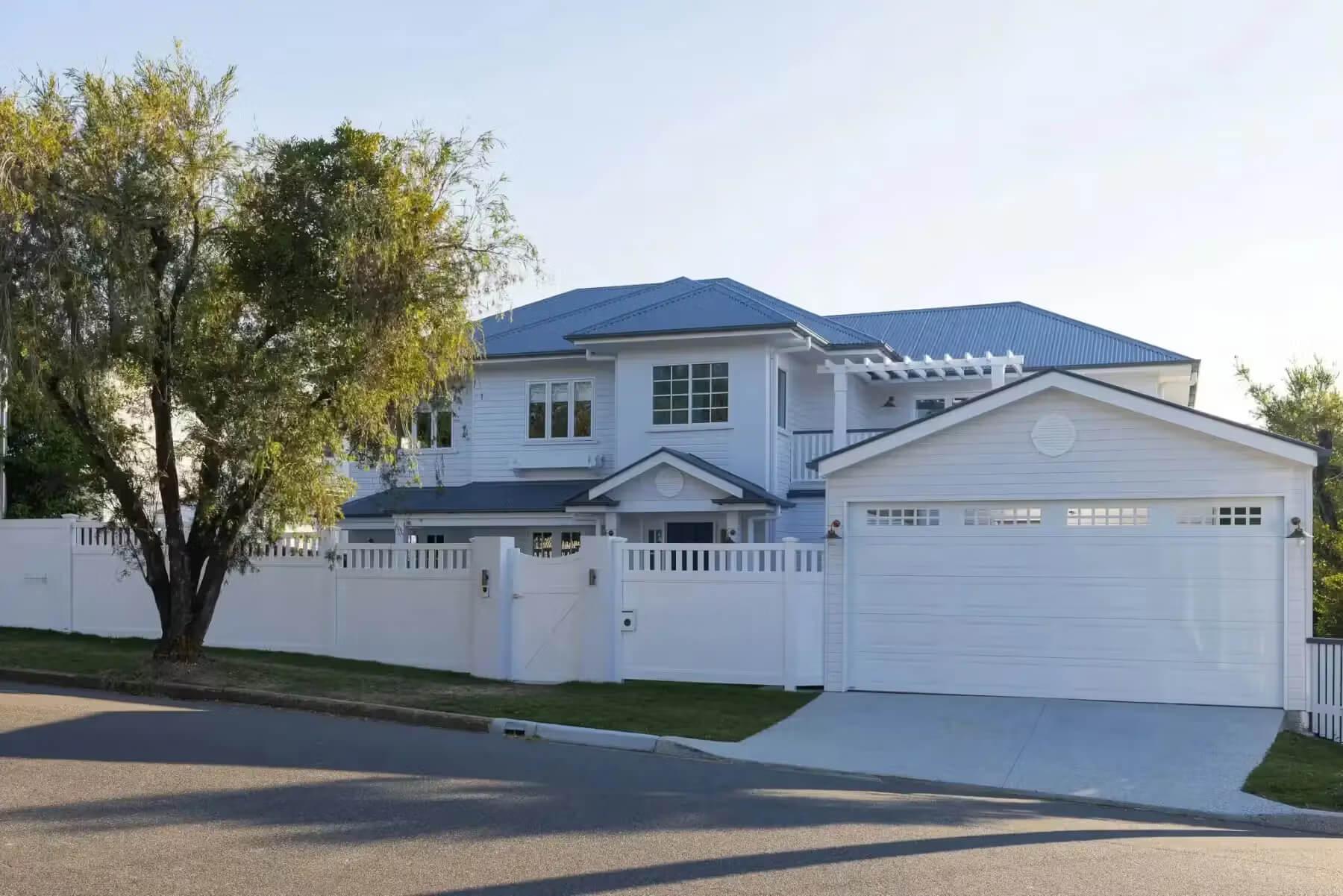
- Extend to the rear. Additions behind the original house, sitting behind the main roofline, are the standard and well-accepted way to add space.
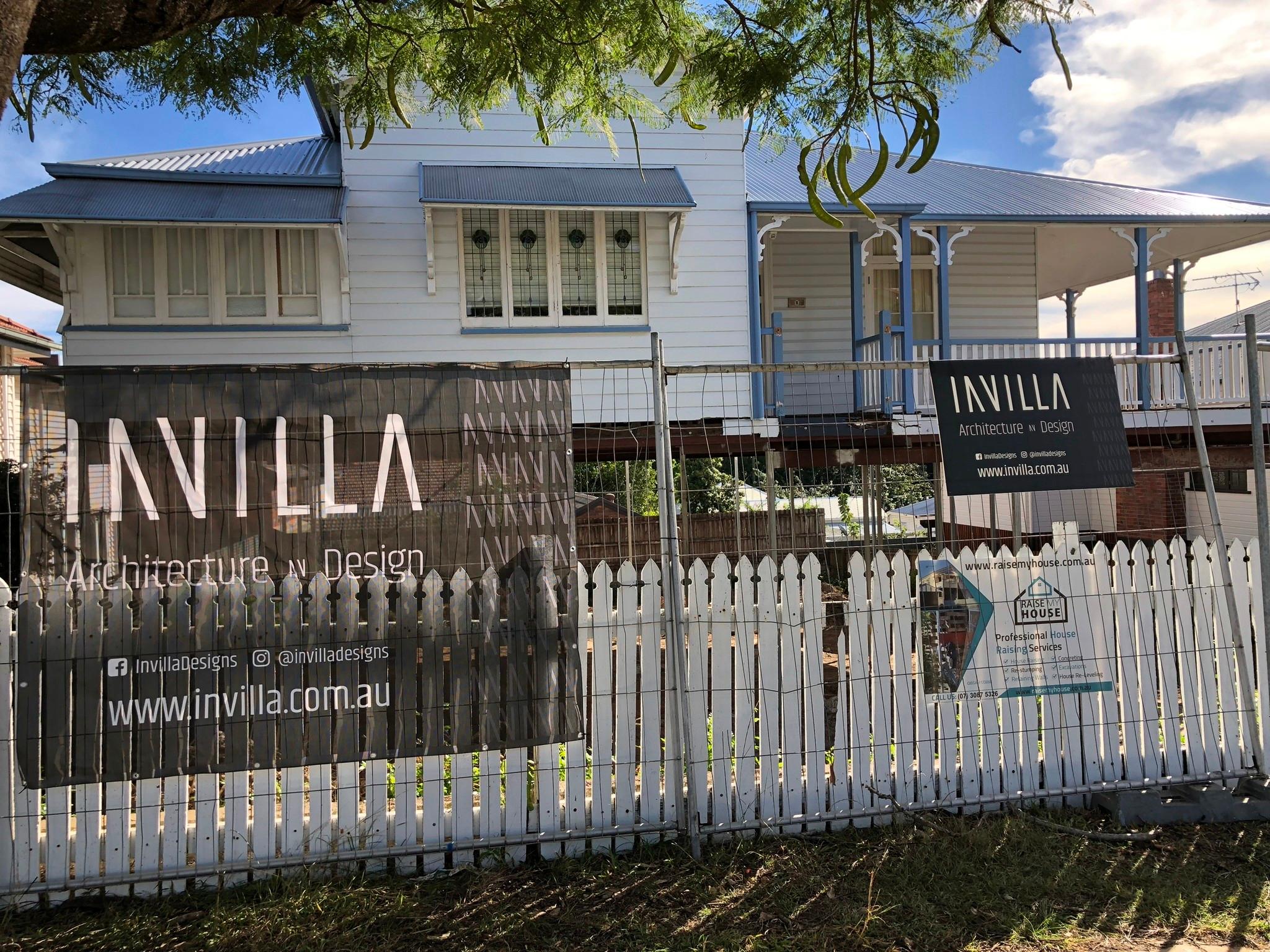
- Raise the house and build underneath, provided the raised home still presents appropriately to the street. We cover this in detail in our raise-and-build-under guide.
- Remove later, non-original additions. That 1980s lean-to at the back usually isn't protected, and removing it is often where your extension begins.
- Renovate the interior freely, subject to the usual building approval.

Why the rules exist (and why they're worth working with)
It's easy to read these controls as red tape. In practice, they're the reason your street looks the way it does, and a large part of why character homes hold their value. A sympathetically extended character home in a protected streetscape is a scarce, appreciating asset, precisely because the neighbour can't bulldoze theirs and build to the boundary. There's a bigger picture too: these controls protect the limited built heritage and historical identity we have, and once a character streetscape is lost, it doesn't come back. Designing with the overlay, rather than against it, usually produces both a better home and a smoother approval.
How the approval actually works
For a character-home extension, you're typically dealing with two things: a building approval for the construction itself, and a planning assessment against the relevant character code for anything affecting the protected form. Most building work in the overlay needs approval. Where a proposal sits comfortably within the code's expectations, a rear addition in sympathetic materials with the original front retained, it follows a far more predictable path. Where a proposal pushes demolition or street-facing change, it becomes a more involved assessment. Your zoning, the home's age, the Queensland Development Code and any neighbourhood plan all feed into which path applies, which is why checking them early matters.
The single biggest thing that smooths this is designing to the code from the first concept sketch, rather than trying to retrofit compliance onto a design council won't accept. That's exactly the judgement a registered architect with Brisbane Town Plan experience brings.
Designing within the overlay, well
Working within character controls isn't a creative straitjacket. Some of the best homes we design come out of it. The discipline of keeping the front, hiding the new work behind the roofline and matching scale at the boundary tends to produce a more resolved result than a free-for-all would. For the design principles, how to make old and new sit together, see our guide to adding a modern extension to a Queenslander. You can also see the approach in finished homes in our before-and-after Queenslander renovations.
Frequently asked questions
Can I demolish my pre-1947 Queenslander and rebuild? Generally no, if it's a character-contributing home in the overlay. Full demolition of pre-1947 houses is tightly controlled, and it's highly unlikely to be approved even when the house is structurally unsound. Extending and renovating is almost always the supported path.
Can I extend the back of a character home? Usually yes. Rear additions behind the original roofline are the standard way character homes are extended in Brisbane.
How do I know if my home is in the character overlay? Check your property against the current Brisbane City Plan overlay mapping in City Plan online, or have an architect or town planner confirm it. The pre-1947 construction date is the key trigger, and council publishes a practice note to help establish a building's construction date.
Do character controls apply to the inside of my house? The overlay focuses on external, street-facing character. Interior renovations are generally subject to normal building approval rather than character controls.
Will the overlay add to my project cost? It can add to design and assessment time, and it shapes what's possible, but it rarely makes a good extension unviable. The cost surprises on character homes usually come from the building's condition, not the planning.
Find out what your character home allows
The fastest way to know what you can do is to confirm your home's controls and design to them from the start. Start your project with our Quote Estimator and we'll help you understand what's possible on your specific property before you commit to a direction.