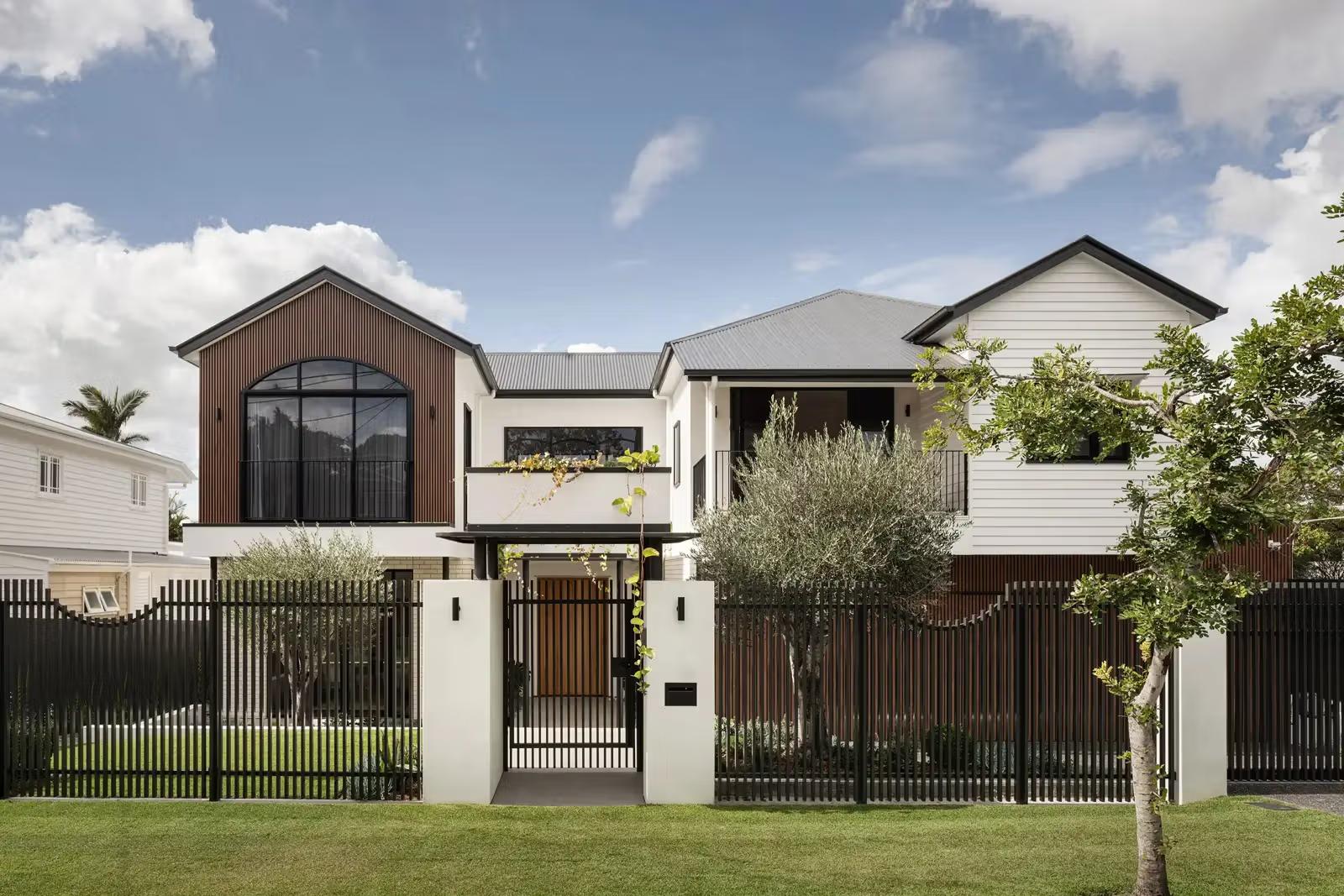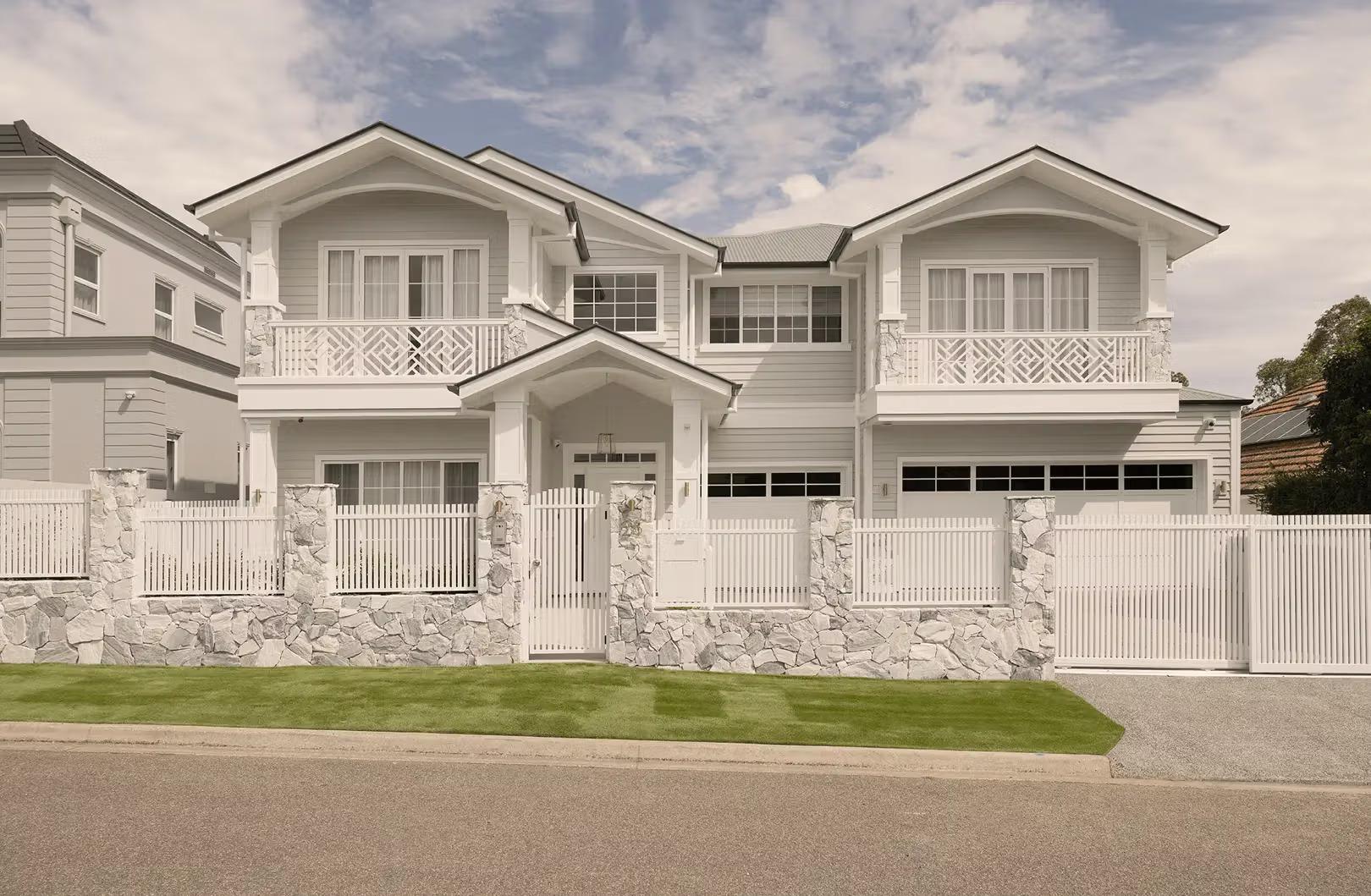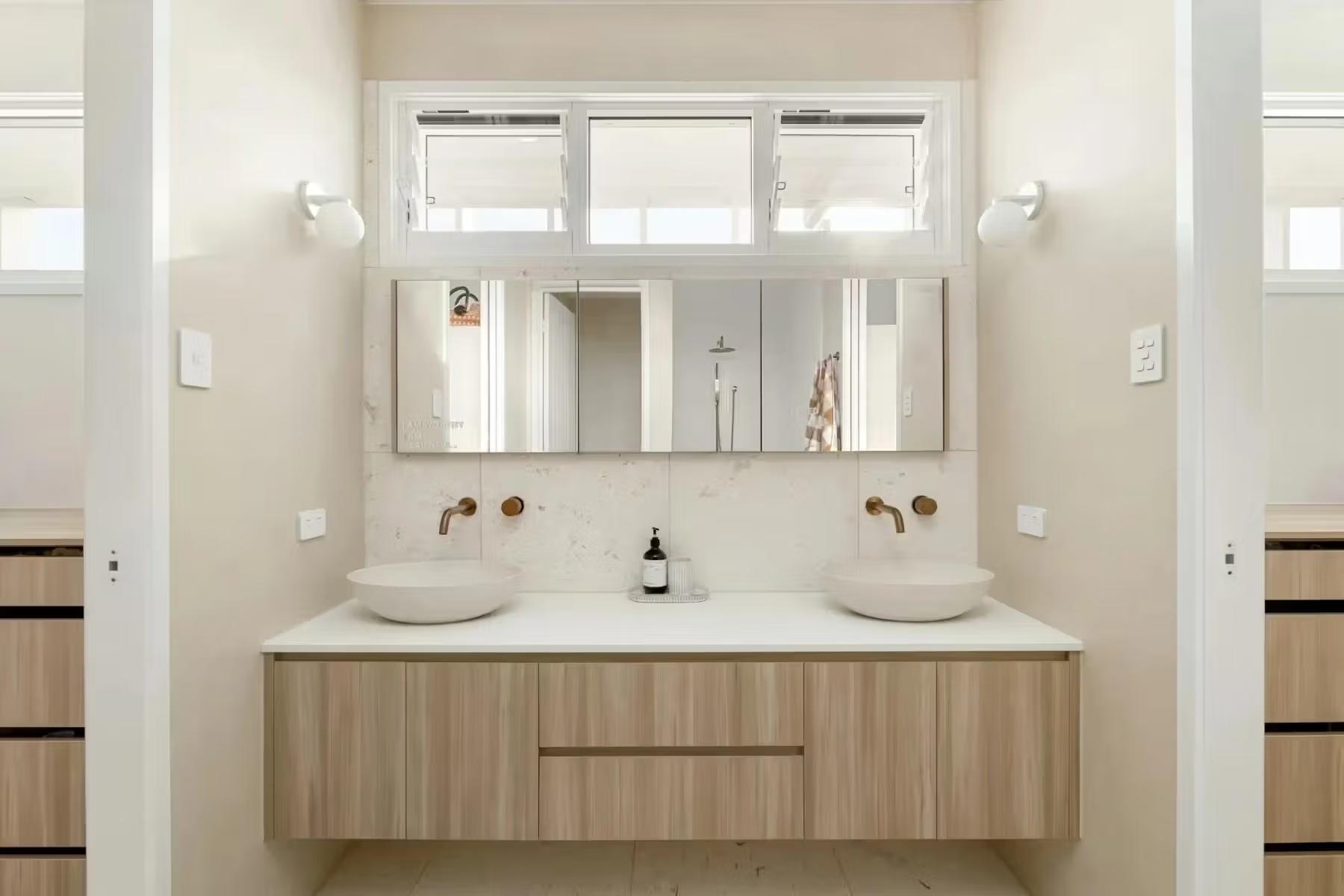


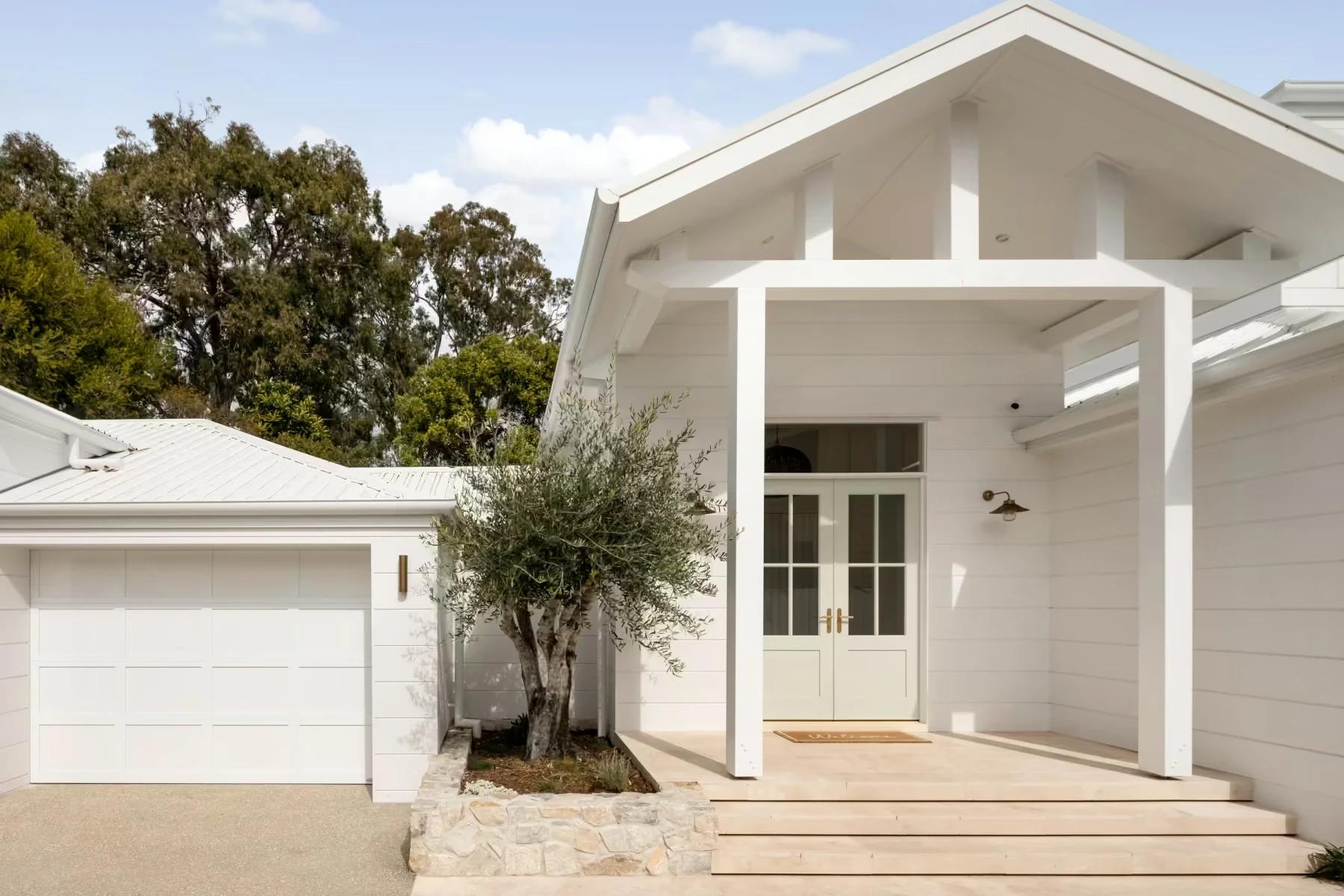
Key Considerations in Coastal Home Design
Life by the coast is equal parts beauty and battle, perfect one minute, wild the next. Yet it also means waking up to ocean views, falling asleep to the sound of waves, and enjoying that relaxed coastal lifestyle in a home shaped by the elements.
The key to great coastal architecture isn’t resisting the element, it’s learning how to work with them while protecting what matters most.
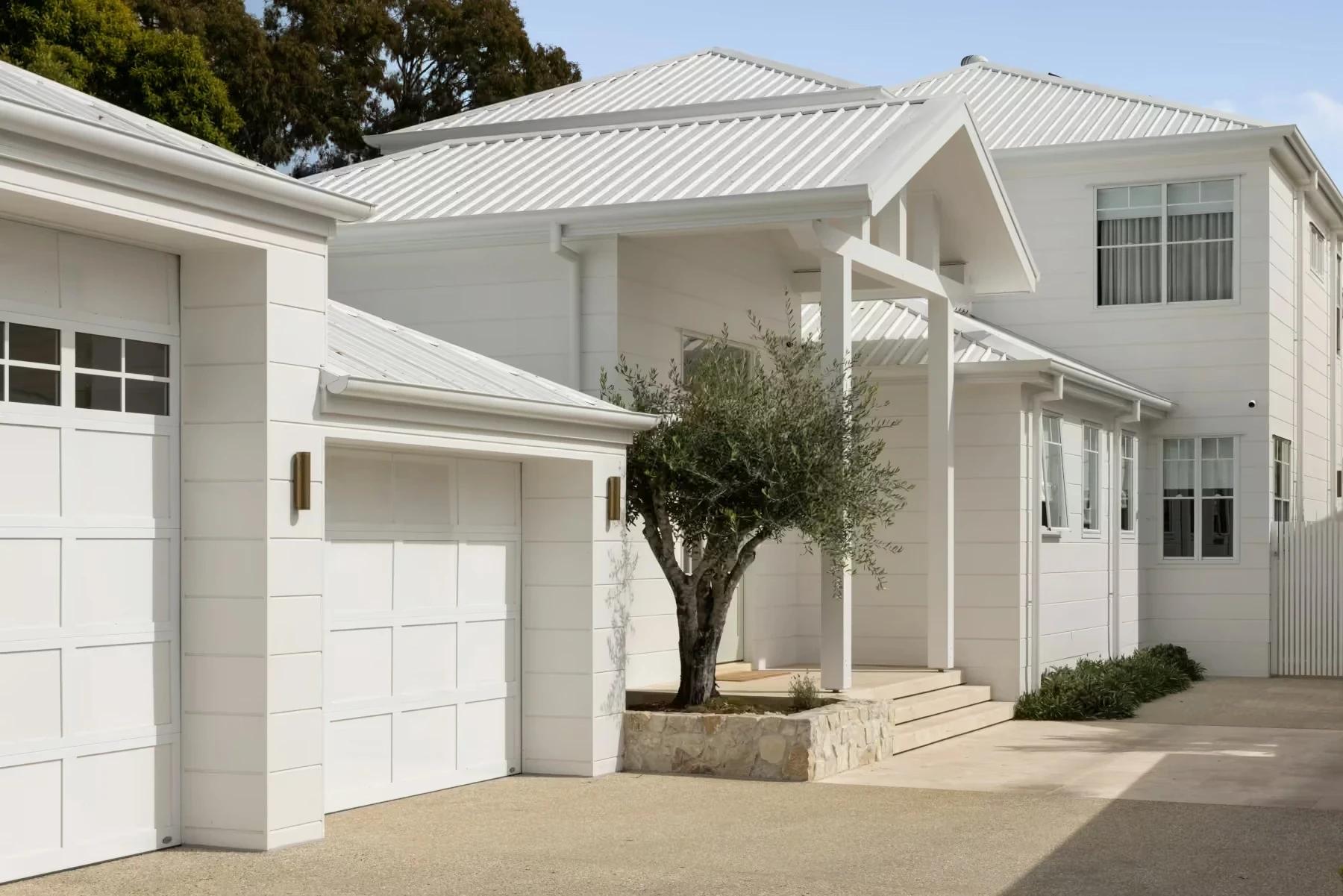
Understanding Coastal Challenges
At Invilla, we design coastal homes from concept to completion, ensuring every decision balances aesthetics with durability. Here’s how we address the most common coastal design challenges.
That is where considered custom home design earns its keep: materials, orientation and detailing are decided together, from the first sketch.
Salt Air and Corrosion
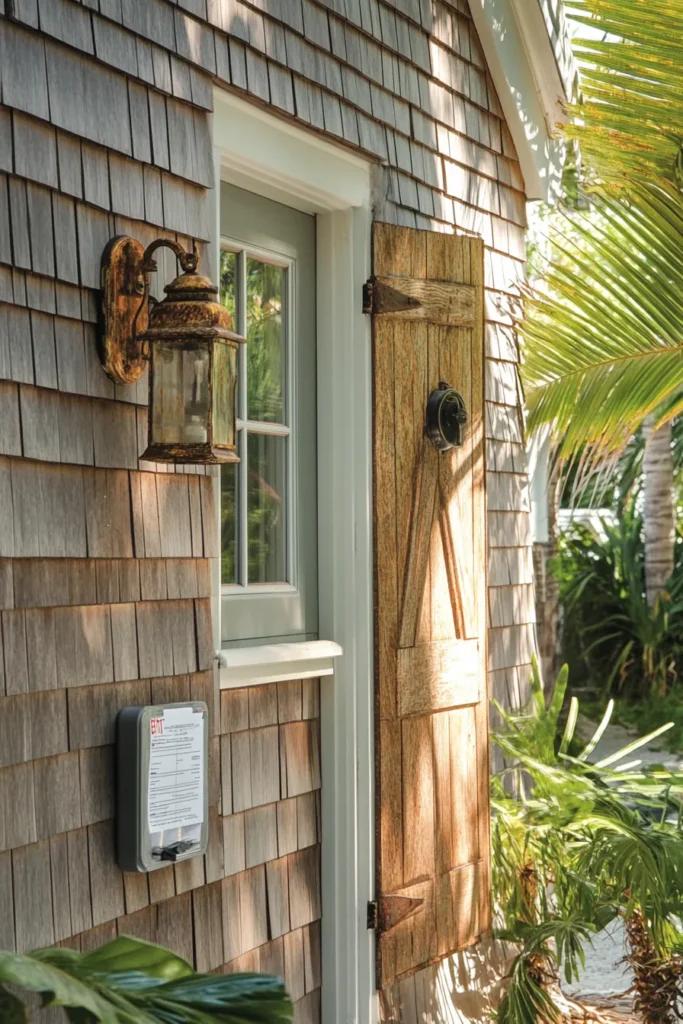
Sea air carries salt that can wreak havoc on materials, metal fixtures corrode faster, timber weathers quicker, and even glass can haze over time. Durable material choices and protective finishes prevent damage while maintaining that relaxed coastal aesthetic. Marine-grade materials aren’t just for boats; they’re ideal for homes facing the ocean daily.
Wind and Weather Exposure
Coastal homes experience everything from gentle sea breezes to howling gales. Strategic orientation, robust construction, and window placement ensure comfort in all conditions.
Sand and Maintenance
Beach life means sand gets everywhere, on floors, in corners, and even on window sills. Designing for low maintenance keeps daily living easy. Durable finishes, shaded outdoor areas, and well-planned entries help manage the constant interplay of sand, salt, and sunlight
Design Solutions for Coastal Living
Elevated Living Areas
Elevating the main living areas isn’t just about capturing views, it’s a practical response to coastal conditions like storm surge, sand drift, and prevailing breezes. It also creates valuable covered space below for parking, storage, or shaded outdoor zones protected from sun and rain.
In many coastal regions, soft sandy soils require additional engineering considerations such as piers. Planning for these early allows for more accurate budgeting and ensures your home is elevated safely and efficiently
Extensive Covered Outdoor Spaces
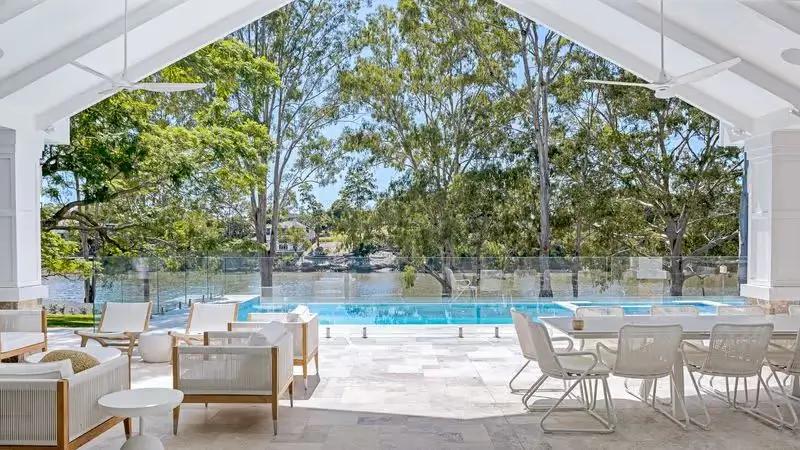
Deep eaves, covered decks, and screened verandahs allow you to enjoy the outdoors in any weather. These spaces become the social heart of coastal homes, perfect for morning coffee, relaxed gatherings, or watching summer storms roll in. They’re a hallmark of modern coastal home designs, where outdoor living is woven into everyday life.
Material Selection for Longevity
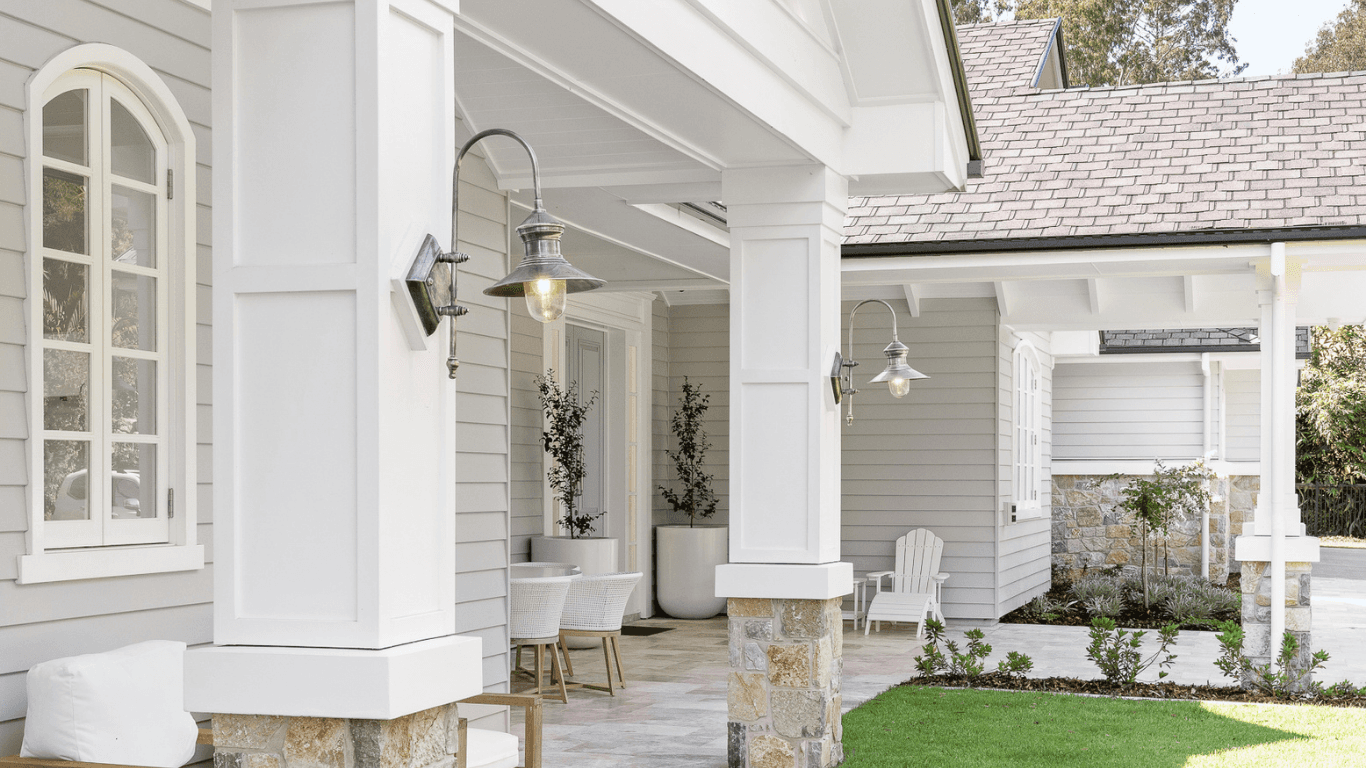
Coastal homes demand materials that withstand salt air without constant upkeep. Weather-resistant timbers, marine-grade metals, and natural stone age beautifully while maintaining visual appeal. Modern composites can achieve the same aesthetic with less maintenance, ideal for long-term performance.
Maximising Views and Light
Strategic Window Placement and Creating Viewing Corridors
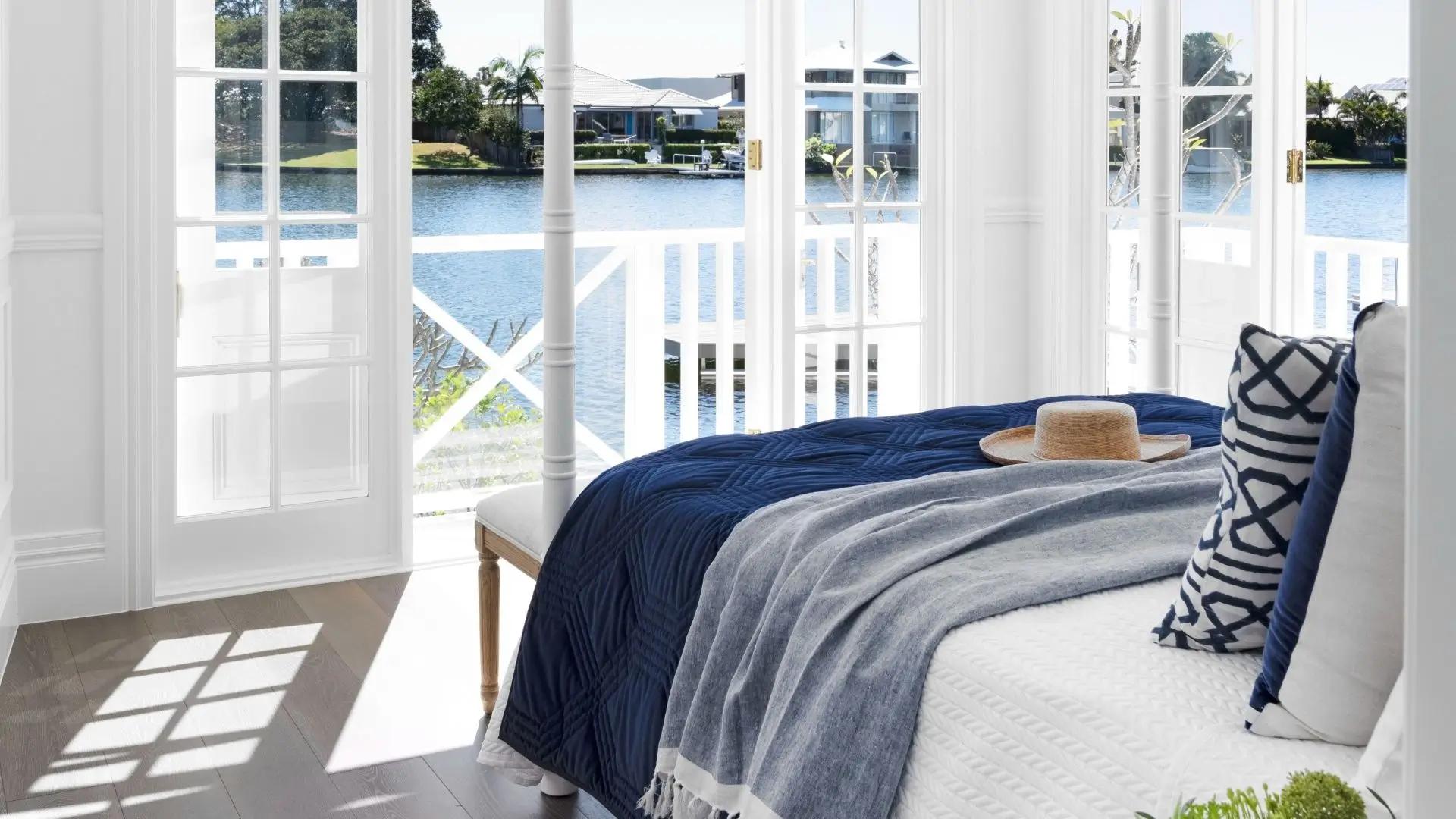
Views define coastal living, but exposure matters. Smart window placement brings in light and air while protecting against harsh conditions. Generous openings on sheltered sides, smaller ones on the windward side, and elevated viewing points frame glimpses of water and channel breezes through the home.
Capturing Changing Light
Coastal light shifts through the day, ocean reflections, salt haze, and low evening glow all affect how interiors feel. Adjustable shading and reflective finishes help homes adapt naturally.
Design for these changing conditions with adjustable shading, varied window sizes, and interior finishes that reflect and enhance natural light, a principle we explore further in Design That Feels As Good As It Looks.
Ventilation and Cooling
Cross-Ventilation Design
Sea breezes are nature's air conditioning. When designed effectively, with well-placed openings and outlets, they keep homes cool and fresh without mechanical reliance.
High ceilings and elevated windows let hot air rise and escape, drawing cooler air through the home.
Thermal Mass Considerations
Thermal mass refers to how well your home stores and releases heat. Materials like concrete and brick absorb warmth during the day and release it slowly overnight.
In coastal areas, where temperatures are milder, too much thermal mass can make a home feel cold and damp. Too little, and you might get uncomfortable temperature swings.
The right balance depends on your location, orientation, and how your home is used. That’s why material selection and structural design are considered together early in Invilla’s process, to ensure thermal comfort year-round.
Landscaping for Coastal Conditions
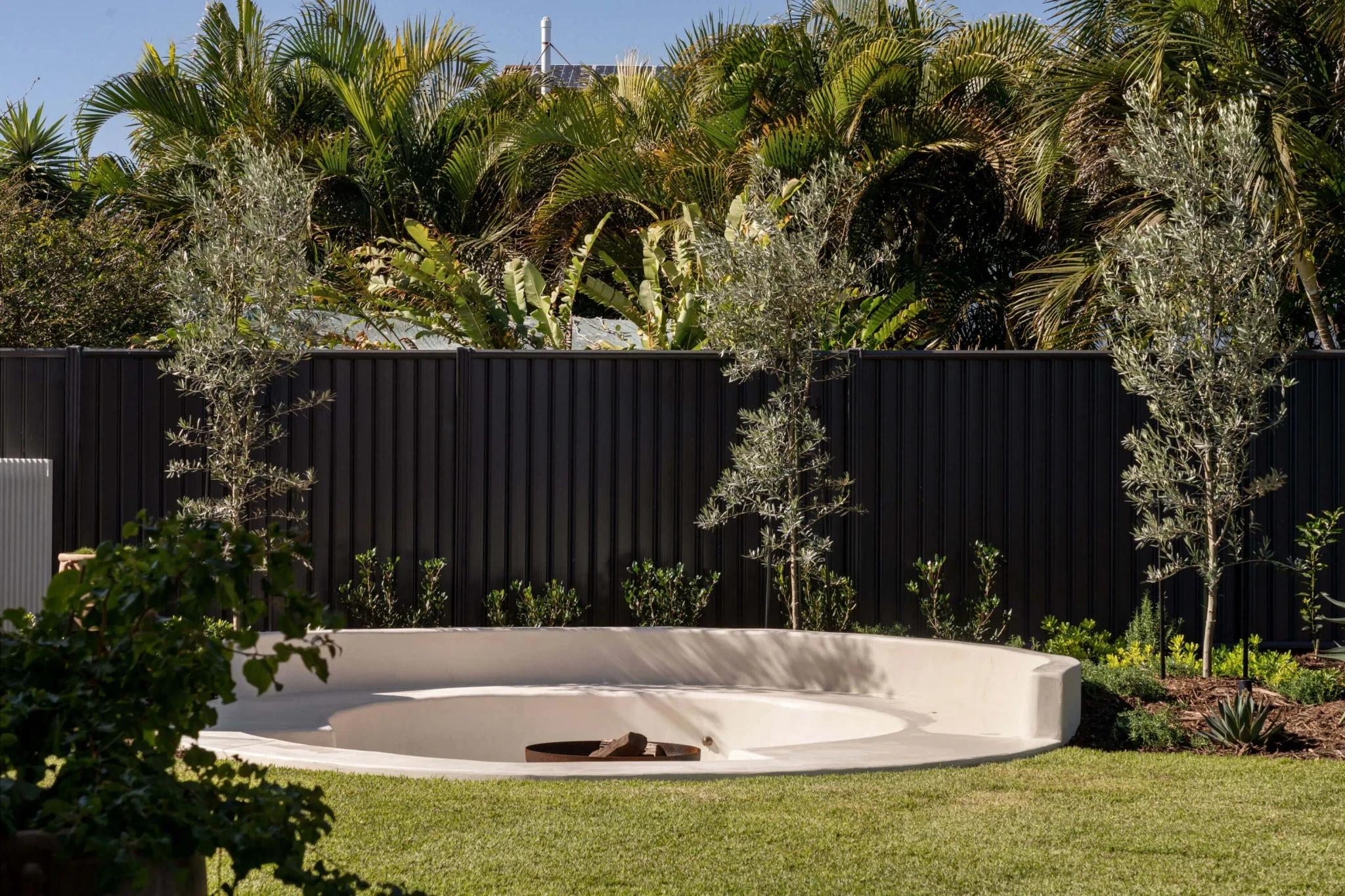
Outdoor design plays a major role in coastal comfort. Architecture and landscape should be planned together, accounting for wind exposure, salt spray, and sandy soils from the start. Native and salt-tolerant plants, combined with low-maintenance hardscaping, keep gardens cohesive and practical.
The site layout and surrounding structures, like screens, fencing, or retaining walls, can be designed to shield outdoor living areas from harsh coastal winds without sacrificing airflow. Collaborating early with landscape designers ensures built and natural elements work together seamlessly.
Regional Variations in Coastal Home Designs
Regional differences play a significant role in how coastal homes are designed and detailed. From tropical Queensland coasts to cooler southern regions, coastal home designs in Australia adapt to distinct climates and lifestyles.
Tropical Coastal Design
In warmer coastal areas, emphasis shifts to maximum ventilation, sun protection, and cyclone resistance. Elevated homes with extensive verandahs and robust construction handle both daily comfort and extreme weather events.
Temperate Coastal Design
Cooler coastal regions might emphasise capturing winter sun whilst still providing summer cooling. North-facing windows, thermal mass, and flexible outdoor spaces adapt to seasonal changes.
Exposed Coastal Sites
Homes on exposed headlands or clifftops need extra protection from wind and salt, while maximising those spectacular views. Robust construction, careful material selection, and strategic landscaping all play crucial roles.
Making It Work Long-Term
Coastal homes aren’t built just for today, they’re designed to weather decades of changing conditions while staying beautiful and functional. Quality materials, regular care, and smart detailing keep them performing well long after the first summer.
For more on Invilla’s coastal approach, explore our American Hamptons and Australian Hamptons blogs, where many of these coastal principles come to life.