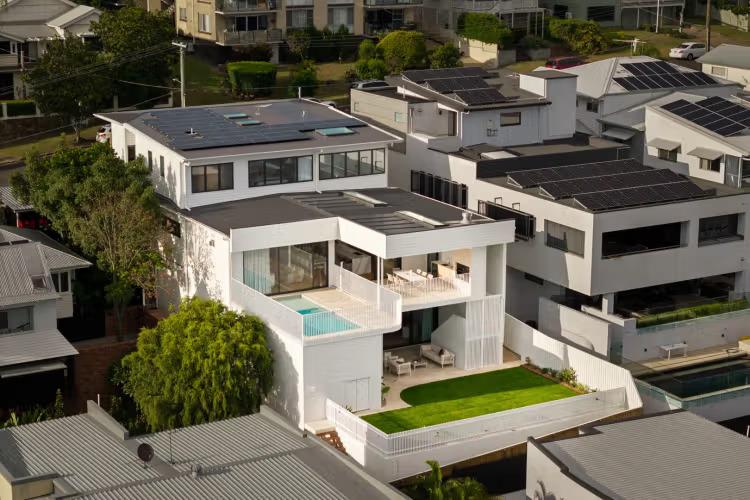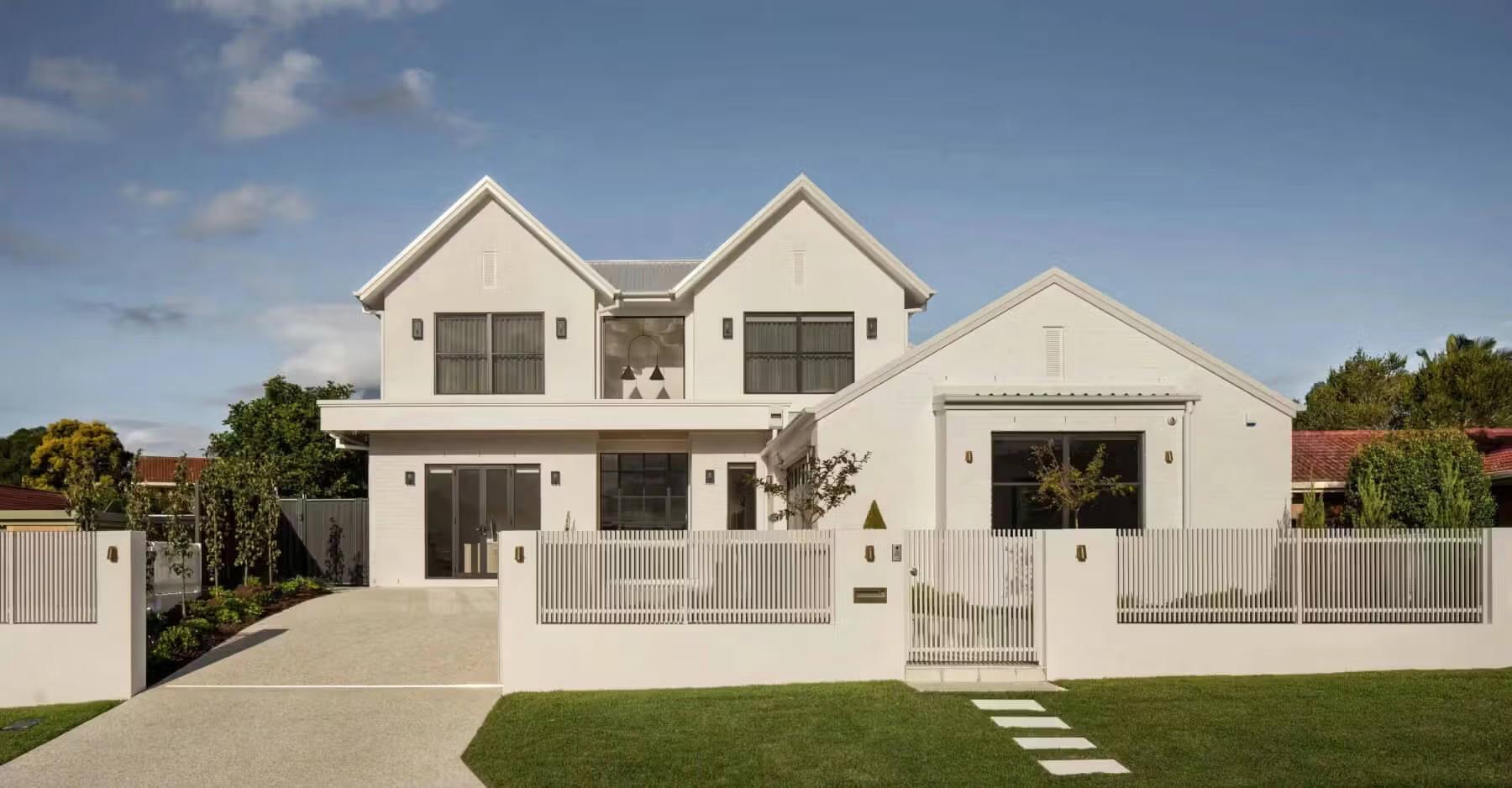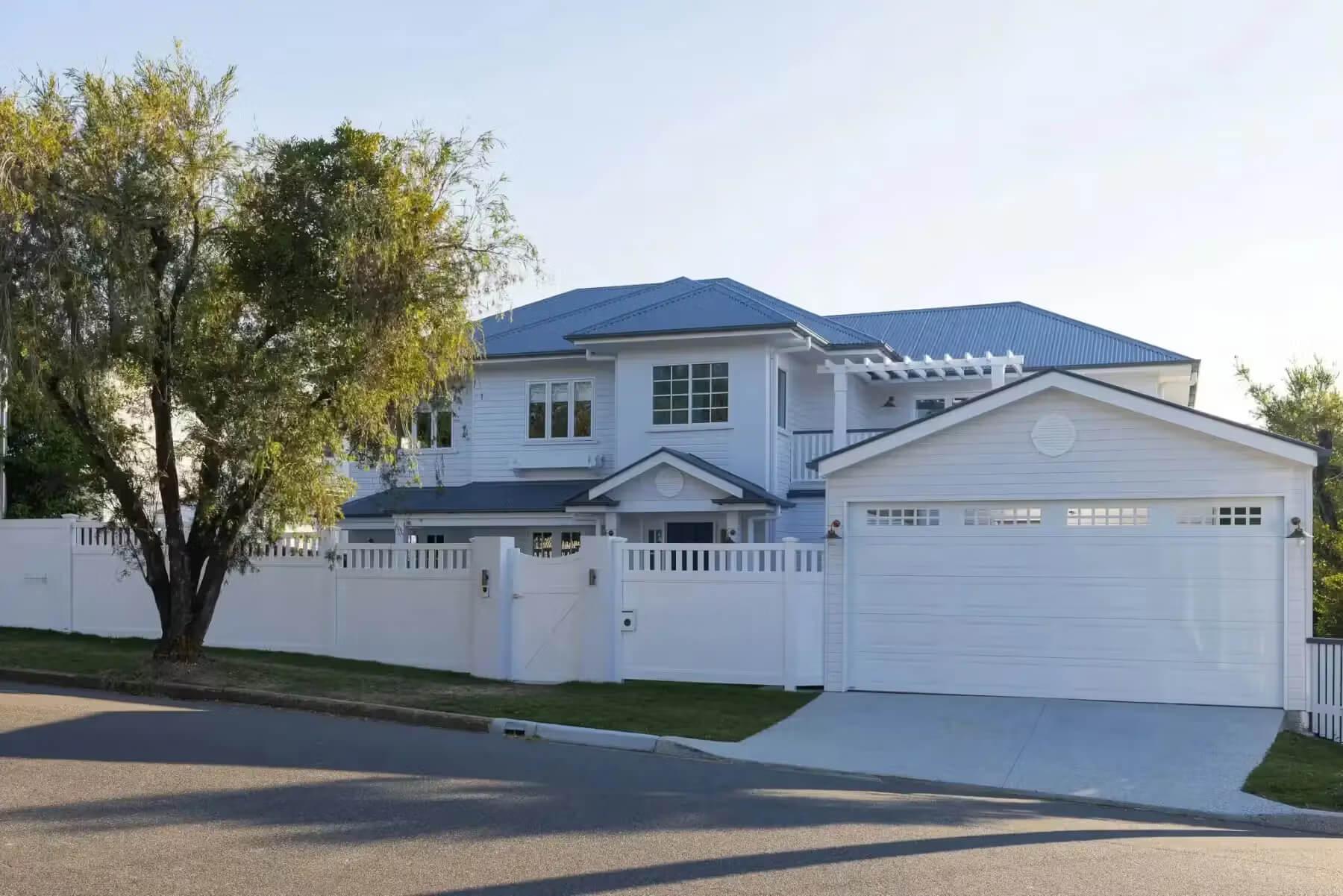


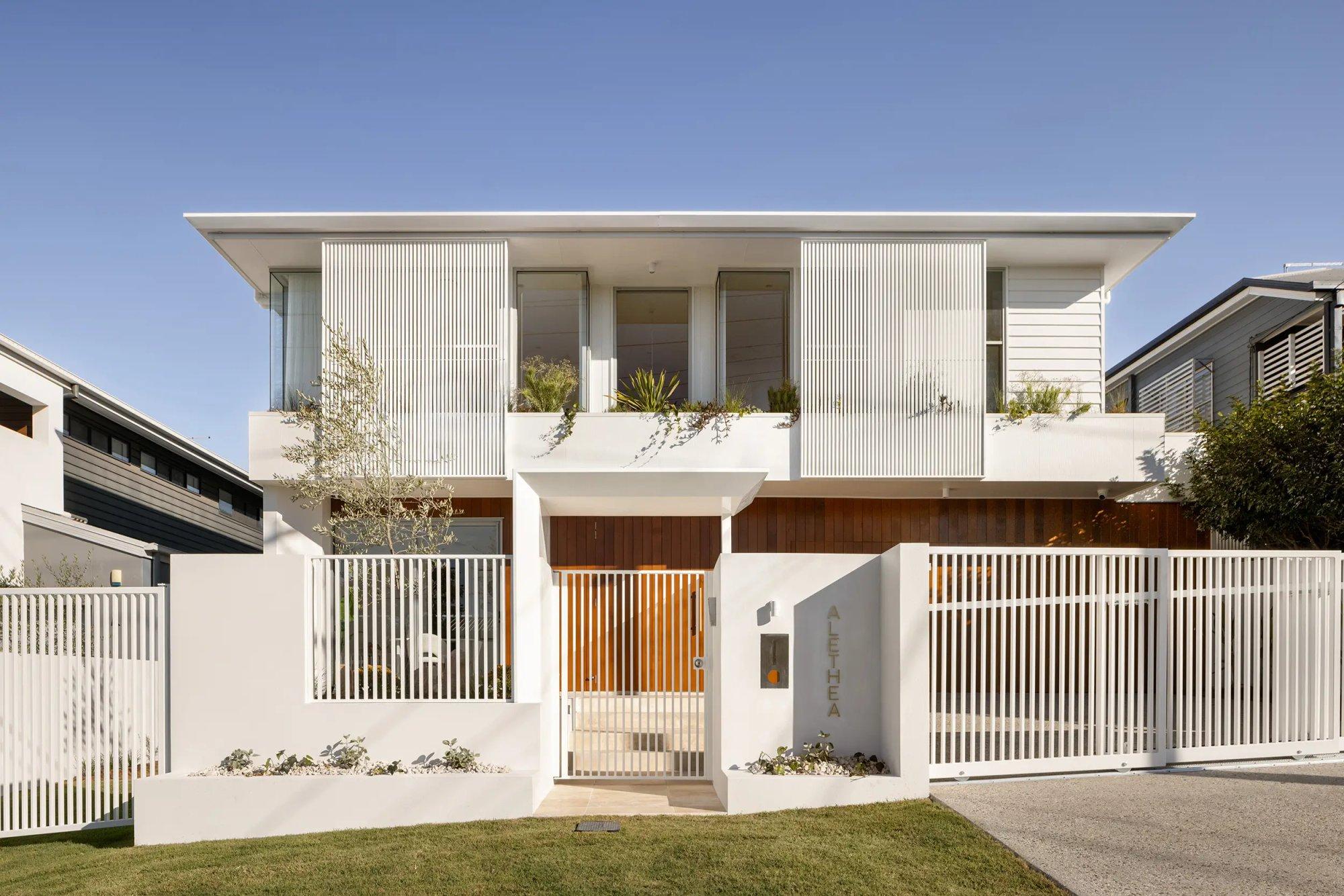
Deciding between renovating and a knock down rebuild isn’t about chasing trends, it’s about what’s realistically possible on your site, what you can achieve within the existing structure, and how much complexity you’re willing to take on during construction.
This guide is general information designed to support early conversations with your architect and project team. It isn’t financial or legal advice, and it can’t replace project-specific guidance from a builder, certifier, engineer, or specialist consultants.
Below, we’ll compare renovation and knock down rebuild options through a design-led lens: constraints, approvals, scope risk, and the kinds of outcomes each pathway tends to suit. If you’re at the very beginning, it’s worth reading what to expect when engaging an architect so you know what an early feasibility conversation typically covers.
Evaluating Your Site: When to Renovate or Rebuild
Before comparing renovation and knock down rebuild options, it’s important to step back and look at the factors that are already set. These fixed constraints often play a much bigger role in shaping the right outcome than personal preference alone.
Approaching the decision this way helps avoid designing solutions that feel appealing on paper, but are difficult, inefficient, or unrealistic once approvals, structure, and site conditions are fully understood.
Brisbane planning controls and overlays
Planning controls can significantly influence whether renovation or a knock down rebuild is feasible, particularly in established Brisbane suburbs with character or neighbourhood overlays.
These controls don’t automatically rule options in or out, but they do shape what’s achievable externally, how new work is assessed, and what level of change may require formal approval. Understanding these requirements early allows design conversations to stay grounded in what can realistically progress through council.
An architect can help interpret how local planning controls apply to your specific site before design decisions are locked in. If you want a clearer picture of how approvals typically fit into an architectural process, read our blog on navigating regulations and permits.
That early interpretation is exactly where an architectural design engagement with Invilla starts, and it often settles the renovate-or-rebuild question before serious money is spent.
Knock down rebuilds are also a well-established pathway within Australia’s housing system. Data published by the Australian Bureau of Statistics tracks dwelling approvals following demolition on the same site, providing useful context on how commonly this approach is used across different locations. Local planning schemes and neighbourhood plans vary by council, and understanding how these frameworks apply to your site is an important early step.
Site constraints that shape the answer
Site conditions often influence whether renovation is straightforward or whether a rebuild starts to make more sense. Slope, access for construction, established trees, drainage considerations, and how the current house is positioned all affect what’s practical.
In some cases, the existing home sits in a way that makes light, privacy, and garden connection difficult to improve without substantial structural change. In others, the site and the house work together well, and targeted renovation can achieve the outcome without reworking everything.
Existing structure constraints
The existing structure also sets practical limits on what a renovation can deliver. Ceiling heights, load-bearing walls, roof form, floor levels, and older building systems can all shape what’s feasible, and how complex the project becomes once works begin.
A rebuild removes many inherited constraints, but it also requires more decisions to be resolved earlier and a full documentation scope before construction starts. Understanding where the existing building supports your goals, and where it resists them, is often the turning point in choosing the right pathway.
Existing building services can also influence how a project unfolds once works begin. In renovation projects especially, elements such as structure, plumbing, and electrical systems may only be fully understood as the building is opened up, with electrical work ultimately needing to align with the Australian Wiring Rules through licensed trades.
Pros and Cons of a Home Renovation
Renovation is often best suited to homes where the existing structure already supports much of what the household needs, and the goal is to refine, improve, or extend rather than completely rework the building.
This pathway can work particularly well when the footprint is broadly functional and changes are targeted, for example, improving the connection between living spaces, upgrading key rooms, or adding carefully considered extensions that work with the original form of the house.
Renovation can also make sense where planning controls encourage retention of the existing building, or where specific character elements contribute meaningfully to the home’s identity and streetscape.
In these situations, the focus is less about transforming everything and more about making thoughtful adjustments that improve how the home performs day to day.
- Pros: Can be more cost-effective if you are only making minor updates, preserves the character and history of the original home, and for smaller projects, you might be able to live in the house while the work is being done.
- Cons: High risk of uncovering hidden structural or plumbing issues, you are often restricted by the existing footprint and ceiling heights, blending old architecture with new additions can be challenging, and older homes are much harder to make energy-efficient.
Pros and Cons of a Knock Down Rebuild
A knock down rebuild tends to suit situations where the existing house places fundamental limits on what can realistically be achieved, or where the scale of change required would effectively involve rebuilding large portions of the structure anyway.
This pathway allows the home to be designed from the ground up, addressing orientation, layout, and spatial relationships without being constrained by an inherited footprint. It can be particularly effective on sites where improving light, privacy, or connection to outdoor space is difficult to resolve through renovation alone.
While a rebuild involves a broader scope and more upfront decisions, it can offer clarity when the existing structure no longer aligns with how the household wants to live.
- Pros: Complete design freedom, modern energy efficiency, zero hidden structural surprises, fixed contract pricing, and you get to keep your current address and land.
- Cons: Higher upfront costs, you must move out and rent during the 9-12 month build process, and requires new council approvals.
Is It Cheaper to Knock Down and Rebuild or Renovate?
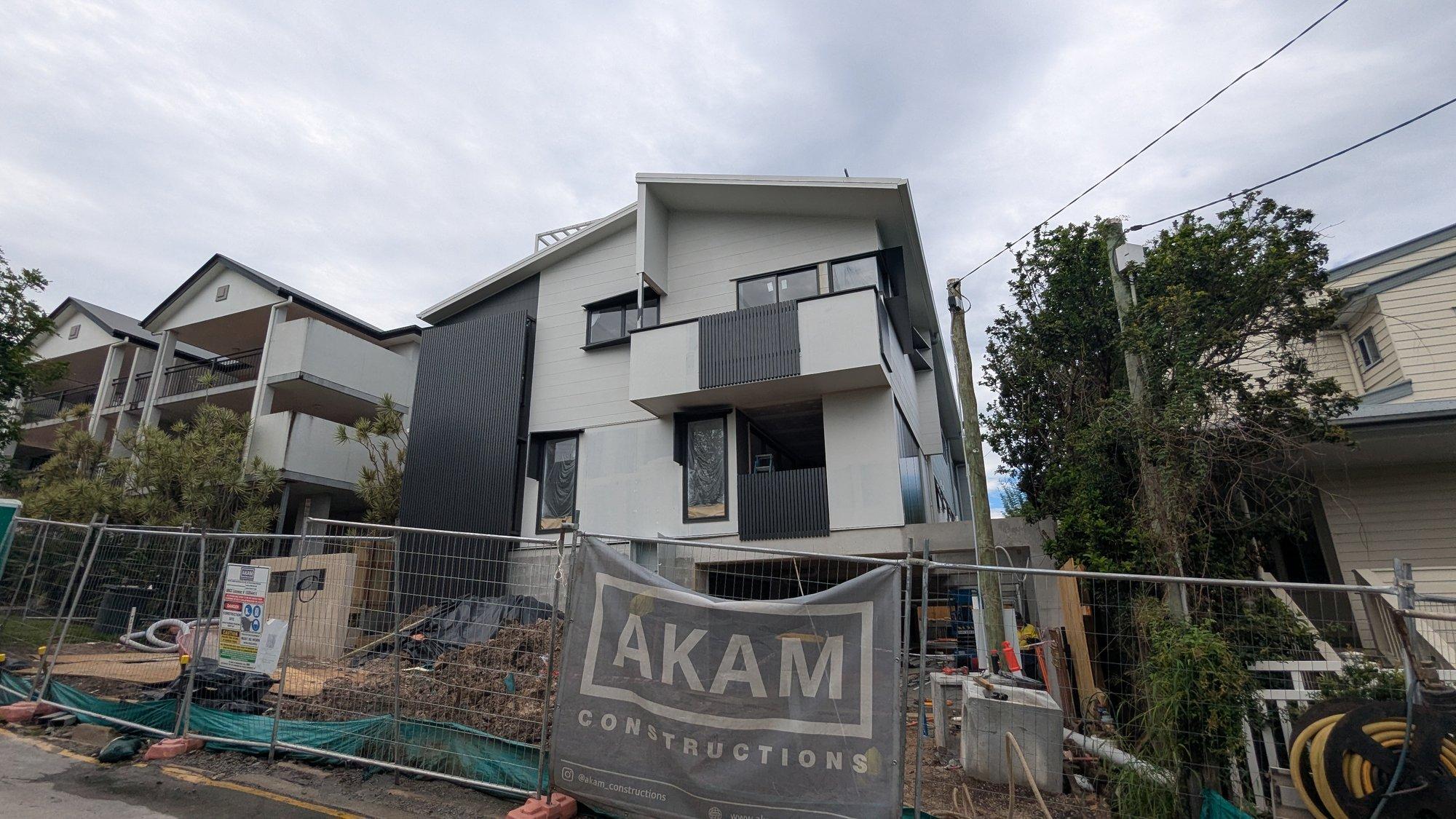
When comparing a knock down rebuild vs renovation, the initial quote for a renovation often looks cheaper. However, this doesn't tell the whole story.
- Renovation Costs: Smaller, targeted updates are cost-effective. But major renovations often uncover hidden surprises like outdated wiring, asbestos, or structural issues, causing budget blowouts. You are also paying a premium per-square-metre to seamlessly blend old structures with new ones.
- Rebuild Costs: A knock down rebuild has a higher upfront cost because it includes demolition, site prep, and a completely new build. However, the cost-per-square-metre is often cheaper than a major extension. Plus, a rebuild gives you fixed pricing, a brand-new structural warranty, and no hidden "old house" surprises.
The Verdict: If you are changing more than 60% of the house, a knock down rebuild is often the safer, more cost-effective long-term financial decision.
Typical Timelines: Rebuilding vs Renovating
Time is money, especially if you are paying rent while your home is a construction site. While every project is unique, here is a general timeline expectation for Australian homeowners:
- Renovation Timelines: A major extension or structural renovation typically takes 4 to 8 months of active construction, preceded by 3 to 6 months of design and council approvals. Delays often happen mid-build when hidden issues are uncovered inside the existing walls.
- Knock Down Rebuild Timelines: Building a custom home from scratch usually takes 9 to 12 months of construction, plus 4 to 6 months for architectural design, engineering, and town planning approvals. While the overall timeline is longer, it is generally much more predictable because the builder is starting with a clean slate and a fully documented scope.
Understanding Scope Risk and Unknowns
Renovation Risks
Renovation projects can involve a higher level of uncertainty, particularly when changes extend beyond cosmetic upgrades. Some conditions only become visible once works begin, which means the scope may evolve as more information comes to light.
This doesn’t make renovation the wrong choice, but it does mean the design and documentation process needs to allow for flexibility, staged decision-making, and clear communication between the project team as the existing building is opened up.
Knock Down Rebuild Scope
A knock down rebuild typically involves a larger overall scope from the outset, including demolition and a complete construction package. Because the home is designed as a whole, you make key decisions much earlier.
This upfront work results in a straightforward, complete set of documentation, meaning you define the project holistically before construction begins, rather than uncovering hidden surprises progressively.
If you decide this is the best pathway for your site, our practical guide can help you master the knock down rebuild process from start to finish.
Avoiding assumptions about cost and certainty
Both renovation and rebuild projects benefit from clear documentation, realistic allowances, and a shared understanding of how changes are managed. While each pathway carries different types of risk, neither is entirely risk-free.
The most productive early conversations focus less on which option appears cheaper and more on which pathway aligns with the site, the existing structure, and the level of complexity you’re comfortable navigating during the build.
Knock Down Rebuild vs Renovation Decision Checklist
Work through these prompts and see which direction the answers consistently point. The goal isn’t to “score” renovation versus rebuild, it’s to identify which pathway aligns with the constraints of your site and the outcome you’re aiming for.
- If you like the home’s basic layout and want to refine key areas, renovation may suit.
- If the layout is fundamentally fighting you, a rebuild may suit.
- If planning controls encourage retention of the existing form, renovation may be the practical route.
- If the house sits awkwardly on the block and it’s hard to improve orientation or garden connection, rebuild may suit.
- If your renovation requires multiple structural interventions across the whole home, it’s worth testing rebuild feasibility.
- If you want one cohesive level of finish and performance everywhere, rebuild may suit.
- If keeping specific character elements matters, renovation may suit.
- If you’re comfortable making decisions progressively as conditions become clearer, renovation may suit.
- If you prefer resolving most design decisions upfront to define scope earlier, rebuild may suit. In either case, an early feasibility conversation helps clarify what’s realistic before committing.
- If you’re considering a major renovation, it can be helpful to test whether the scope is improving the home’s liveability without trying to force an old structure to behave like a brand-new build.
How an Architect Helps You Choose
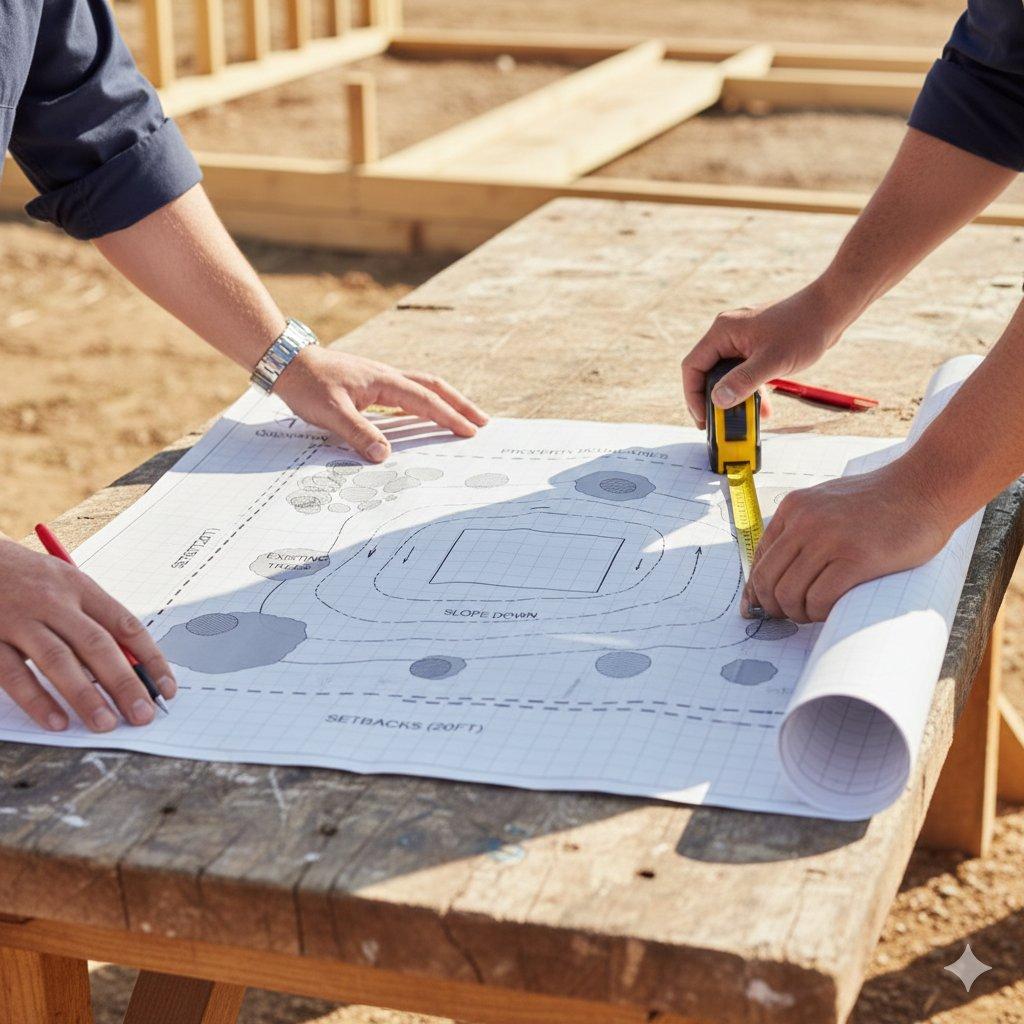
The goal of early architectural work isn’t to push you toward renovation or rebuild, it’s to clarify what’s possible and what trade-offs sit behind each option.Typically, this early stage brings together planning constraints, the existing structure, your brief, and concept options that test feasibility before you commit to a pathway.
This is also where the right consultant inputs can be identified early, depending on what the site and scope require. This early work helps clarify what’s achievable on the site, where complexity is likely to arise and which pathway aligns best with your priorities before committing time or cost to a direction.
Key Questions for Your Architect and Builder
Questions to ask your architect
- Based on the site and planning controls, what constraints should we understand before deciding on renovation versus rebuild?
- What early investigations will give us the clearest picture of feasibility?
- If we test both options at concept stage, what would you compare to help us choose confidently?
Questions to ask your builder
- For a renovation, how do you handle discoveries once works begin, and how are scope changes communicated and documented?
- For a rebuild, how do you document assumptions, allowances, and variations so the scope is clear before construction starts?
- What does your typical programme look like for a project of this type, and what factors commonly affect timing?
Frequently Asked Questions (FAQs)
Q: Is it always cheaper to renovate than rebuild?
A: Not always. Smaller, targeted updates can be more contained, but larger renovations can become more complex once the project moves into structural work and concealed conditions are revealed. A better comparison is often which pathway can deliver the outcome you want with an acceptable level of complexity during construction.
Q: Can I live in my house during a knock down rebuild?
A: No. A knock down rebuild requires the complete demolition of your existing home, so you will need to organise alternative accommodation or rent for the duration of the 9 to 12-month build.
Q: How do I know if my house is a good candidate for renovation?
A: A good renovation candidate typically has a structure and footprint that support your goals without requiring a chain reaction of structural changes. A building inspection and an early architectural feasibility review can help clarify what's practical before you commit to a direction.
Q: Does a knock down rebuild add more value than a renovation?
A: Generally, yes. In established suburbs, replacing an older, outdated home with a brand-new, modern, and energy-efficient custom home often yields a higher Return on Investment (ROI) and broader market appeal than a renovated older home.
Q: How do planning controls or character overlays affect the decision?
A: Planning controls can influence what changes are feasible externally, what approvals may be required, and how proposals are assessed. Where overlays apply, it doesn't automatically remove options, but it can shape the design approach and the approval pathway. Early advice from an architect can help you understand constraints before design decisions are locked in.
Q: How do I know if my block is suitable for a knock down rebuild?
A: An architect can assess your block's suitability by reviewing local council overlays, slope, soil type, and existing underground services.
If you’re weighing up renovation versus knock down rebuild, an early feasibility conversation can bring clarity quickly, before you invest time in a direction that doesn’t suit the site, planning controls, or the way you want the home to function. Explore our work, or get in touch to start a conversation.