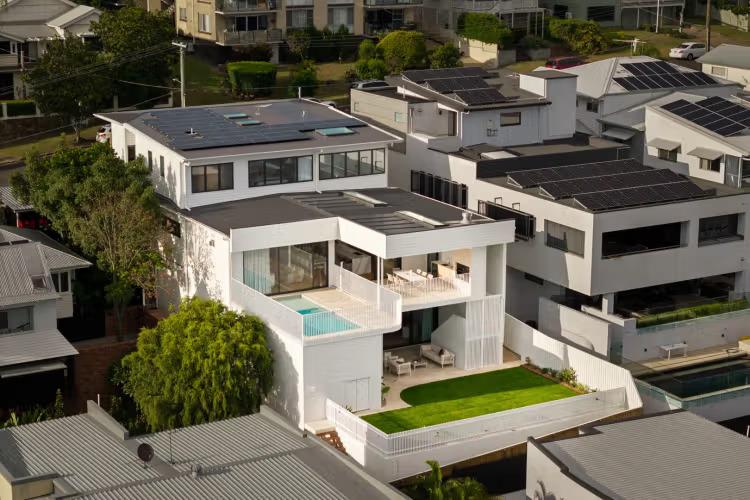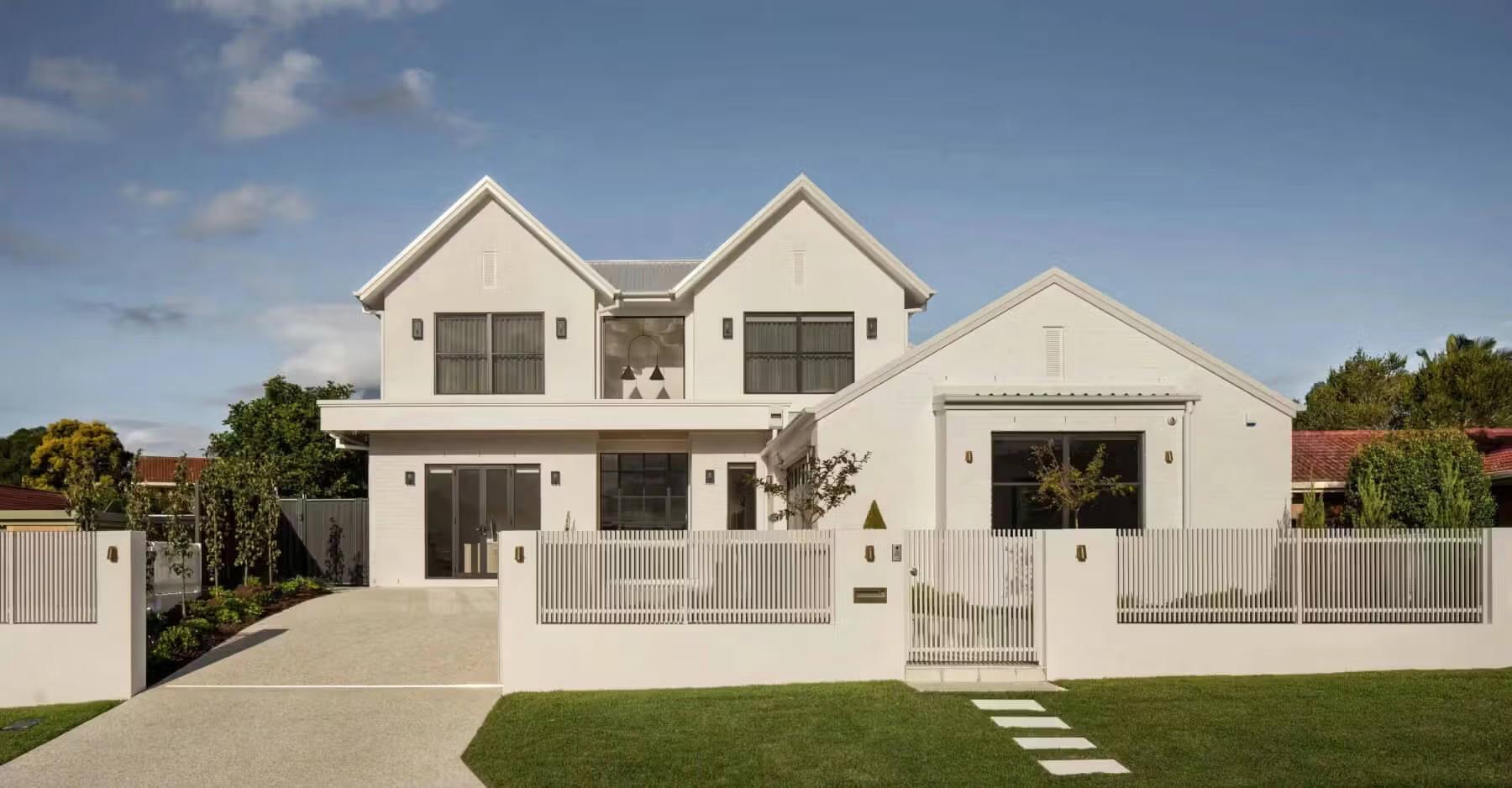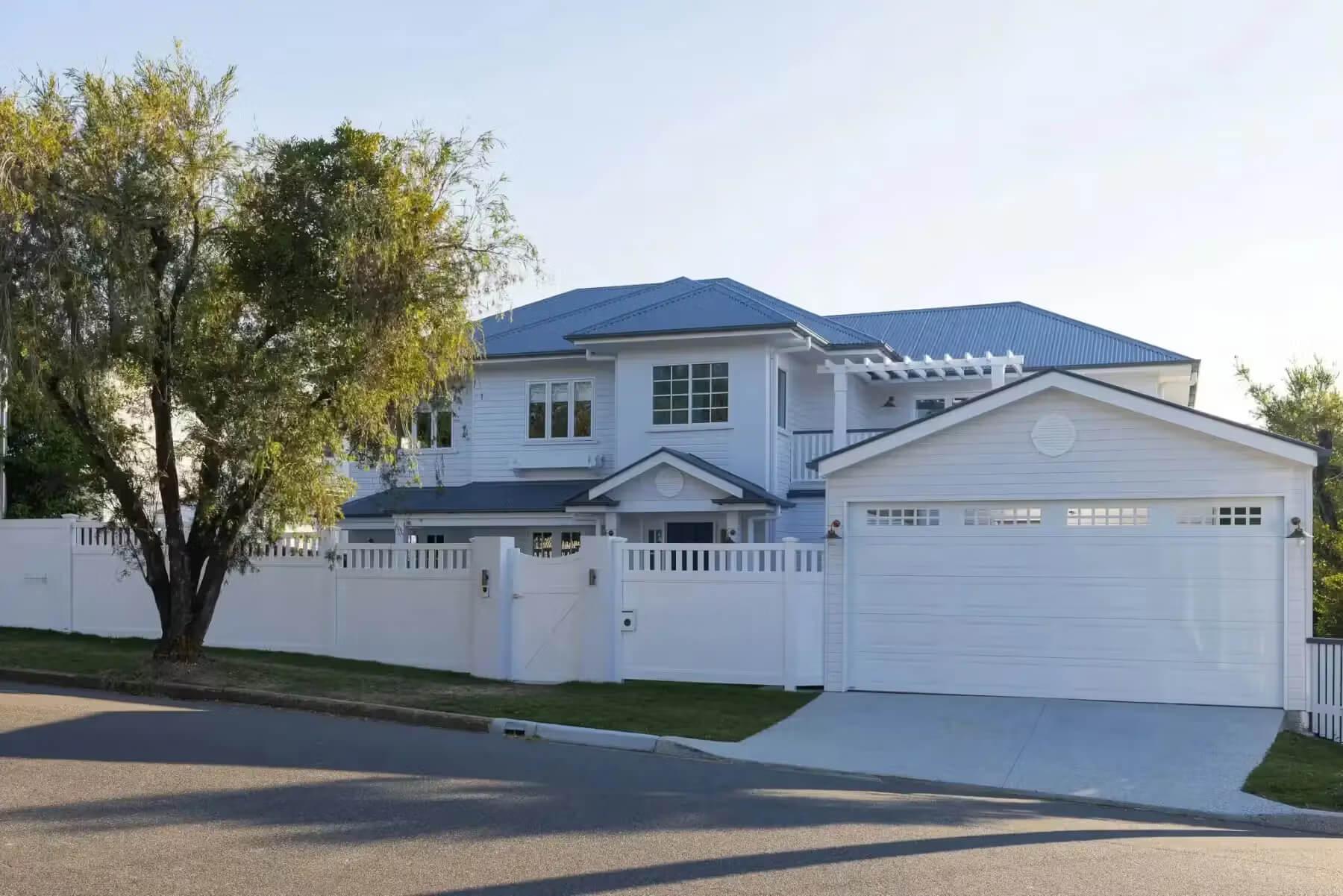


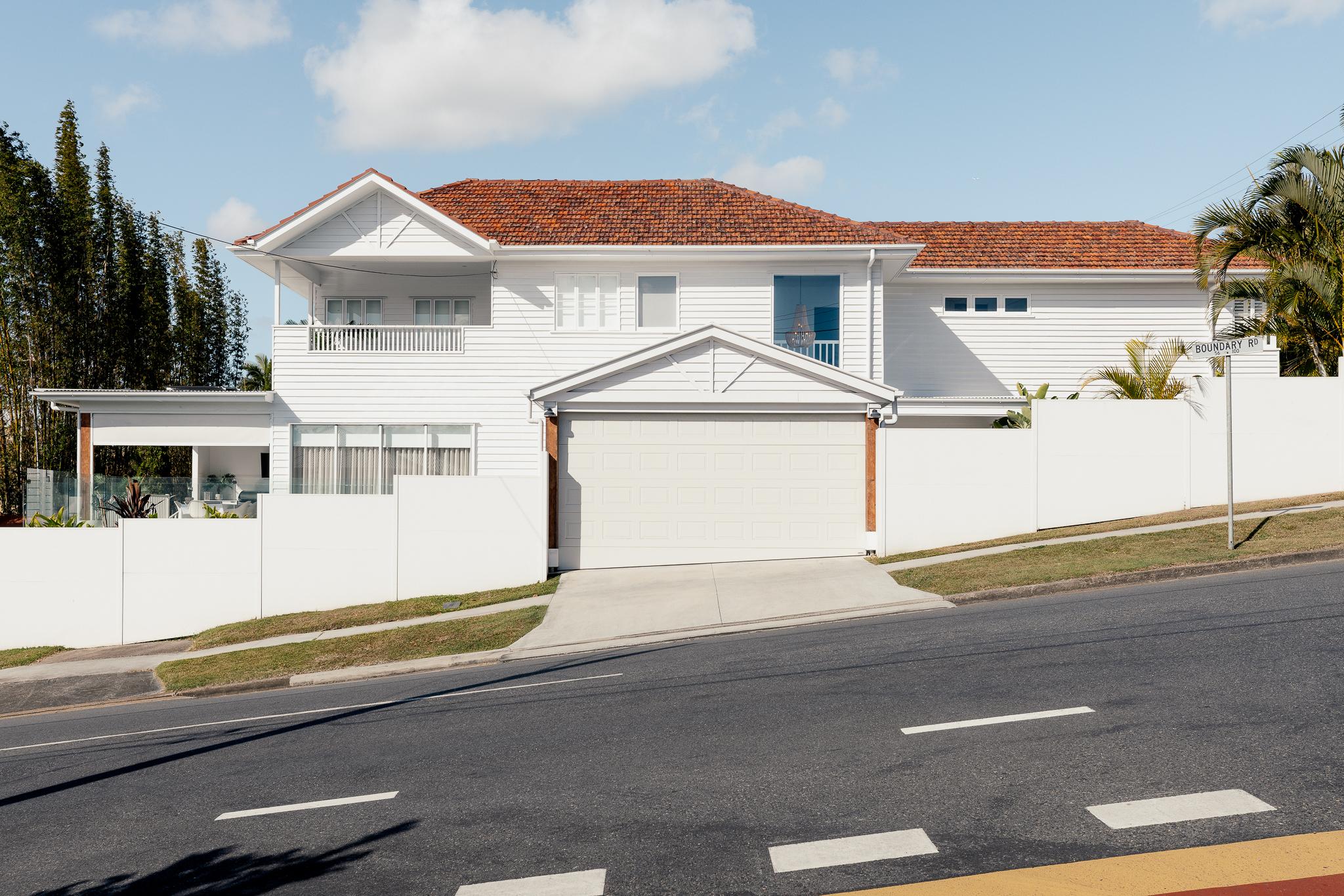
A post-war or 1950s home is one of the most underrated renovation opportunities in Brisbane. These houses, built in the years after the Second World War, tend to sit on good-sized blocks in established suburbs, have honest, solid bones, and, crucially, usually fall outside the strict character controls that govern their pre-war Queenslander neighbours. That combination, a sound starting point, a good location and more design freedom, is exactly what makes a 1950s home such fertile ground for a modern transformation.
I'm Michael Johnston, a registered architect and director at Invilla. We renovate and reimagine character and post-war homes across Brisbane, so here's a straight look at what a post-war home is, why they're worth the work, and what to expect when you modernise one.
What counts as a post-war or 1950s home?
"Post-war" refers to homes built in the years following the Second World War, roughly from the late 1940s into the early 1960s. With building materials in short supply at first, these homes were generally simpler and more modest than the ornate pre-war Queenslanders that came before them, smaller verandahs, plainer detailing, and a practical, no-fuss layout.
In Brisbane you'll see them in a few common forms: lowset and highset timber homes (often called post-war Queenslanders), fibro and weatherboard cottages, and the brick-and-tile homes that became popular through the 1950s.
Why post-war homes are worth renovating
A few things make them a smart buy and a rewarding renovation:
Solid, honest bones. Post-war homes were built simply and robustly, with sound timber framing. There's usually a good house underneath the dated finishes.
Generous blocks in established suburbs. Many sit on larger, flatter blocks in suburbs that have since become highly sought after, the kind of location you couldn't buy new.
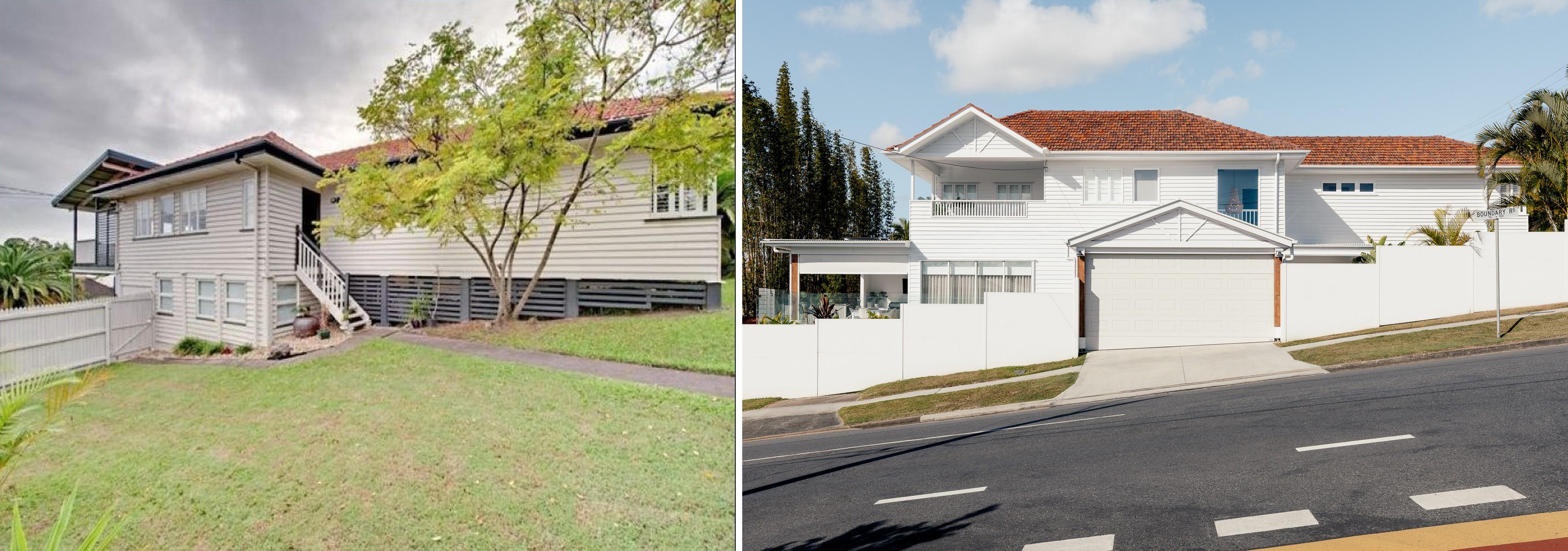
More design freedom than a pre-war home. This is the big one. Brisbane's Traditional Building Character overlay protects homes built in 1946 or earlier. Because a post-war or 1950s home was built after that, it generally sits outside those controls, which means far more freedom to extend, raise, reconfigure or even rebuild than you'd have with a protected pre-1947 Queenslander. (Always confirm your specific property's controls, as a small number of post-war homes can still sit within other overlays.)
That freedom is what lets a renovation be genuinely ambitious, opening up the plan, adding a second storey, or reworking the whole rear for light and indoor-outdoor living, without the constraints a character home brings.
That is exactly the kind of project our renovation architects in Brisbane take on: a solid post-war shell, and the freedom the overlay allows turned into light, flow and space where it earns its keep.
What to watch when you renovate a 1950s house
Post-war homes reward a renovation, but a few things are worth knowing before you start:
Asbestos. Building materials from the 1940s through to the 1980s commonly contained asbestos, in wall and eaves sheeting, flooring and more. On a post-war home it's a near-certainty, and safe removal is a real line item in the budget.
Dated, compartmentalised layouts. These homes were built as a series of small, separate rooms. The single biggest transformation usually comes from opening that plan up and reworking it for how families actually live now.
Structure and services. Restumping, rewiring and re-plumbing are common on homes of this age, the same hidden-condition items that surprise people on any older home.
Comfort and efficiency. Post-war homes were built before modern thermal standards, so a renovation is the chance to bring them up to a comfortable, efficient standard for the Brisbane climate.
How a post-war renovation comes together
The process mirrors any considered renovation: a feasibility look at the home and block, a concept that sets the big moves, detailed design and documentation, approvals, and construction. The real difference with a post-war home is how much latitude you have, freed from character constraints, the design can be as bold as the brief and the budget allow.
Frequently asked questions
What is a post-war home? A house built in the years after the Second World War, roughly the late 1940s to the early 1960s. They're typically simpler and more practical than pre-war Queenslanders, and very common across Brisbane's established suburbs.
Are 1950s houses worth renovating? Often, yes. They usually have sound bones, sit on good blocks, and, because they were built after 1946, generally aren't bound by Brisbane's character controls, so you have real freedom to modernise.
Can I extend or demolish a 1950s house in Brisbane? Usually with far more freedom than a pre-war home. The Traditional Building Character overlay applies to houses built in 1946 or earlier, so a post-war home generally sits outside it. Always confirm your specific property's controls first, but the path is typically much more open.
What problems do post-war homes have? The common ones are asbestos in old sheeting and flooring, dated compartmentalised layouts, and age-related items like restumping, rewiring and re-plumbing. None are dealbreakers, they're the known costs of bringing a solid old home up to today's standard.
How much does it cost to renovate a post-war home? It depends entirely on the scope and the home's condition. The most reliable way to a real figure is a feasibility look at your specific house.
See what your post-war home could become
A 1950s home is often a better starting point than buyers realise, sound, well-located, and refreshingly free of red tape. If you're weighing one up, the best first step is a proper look at what it could become. Start your project with our Quote Estimator and we'll talk through what's realistic.