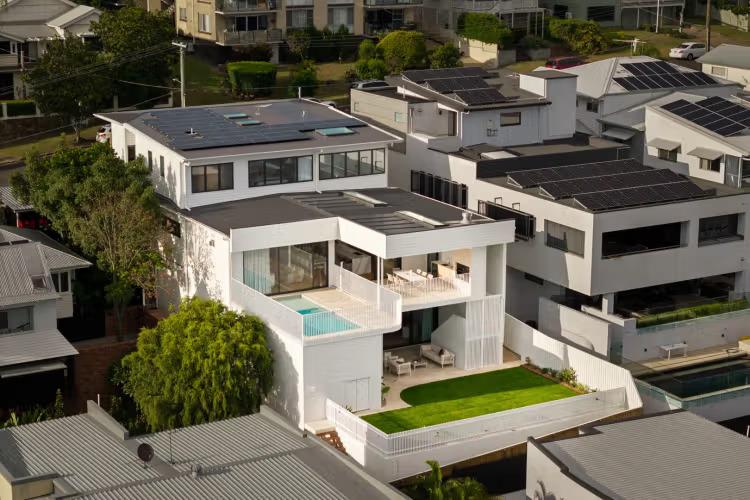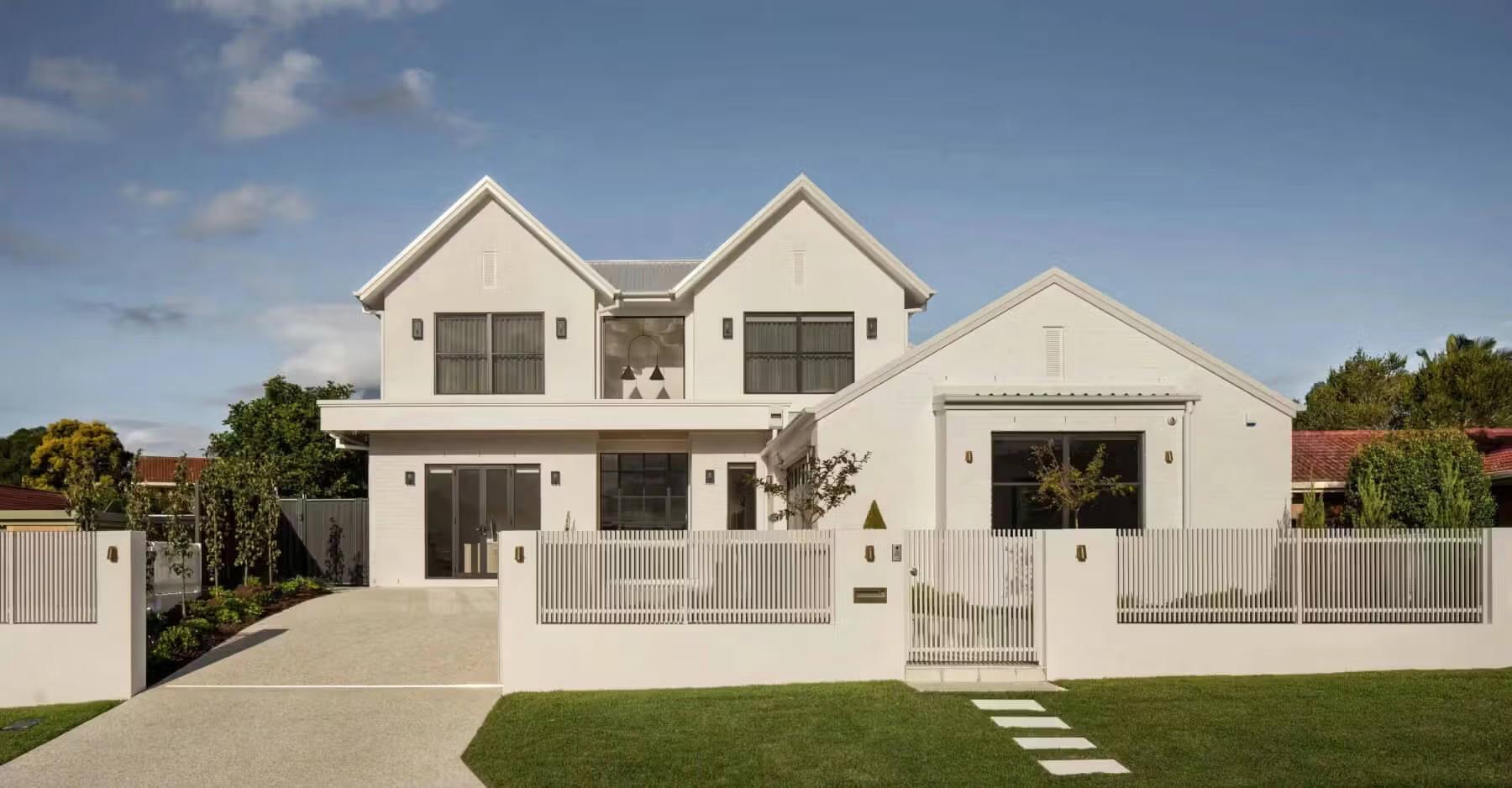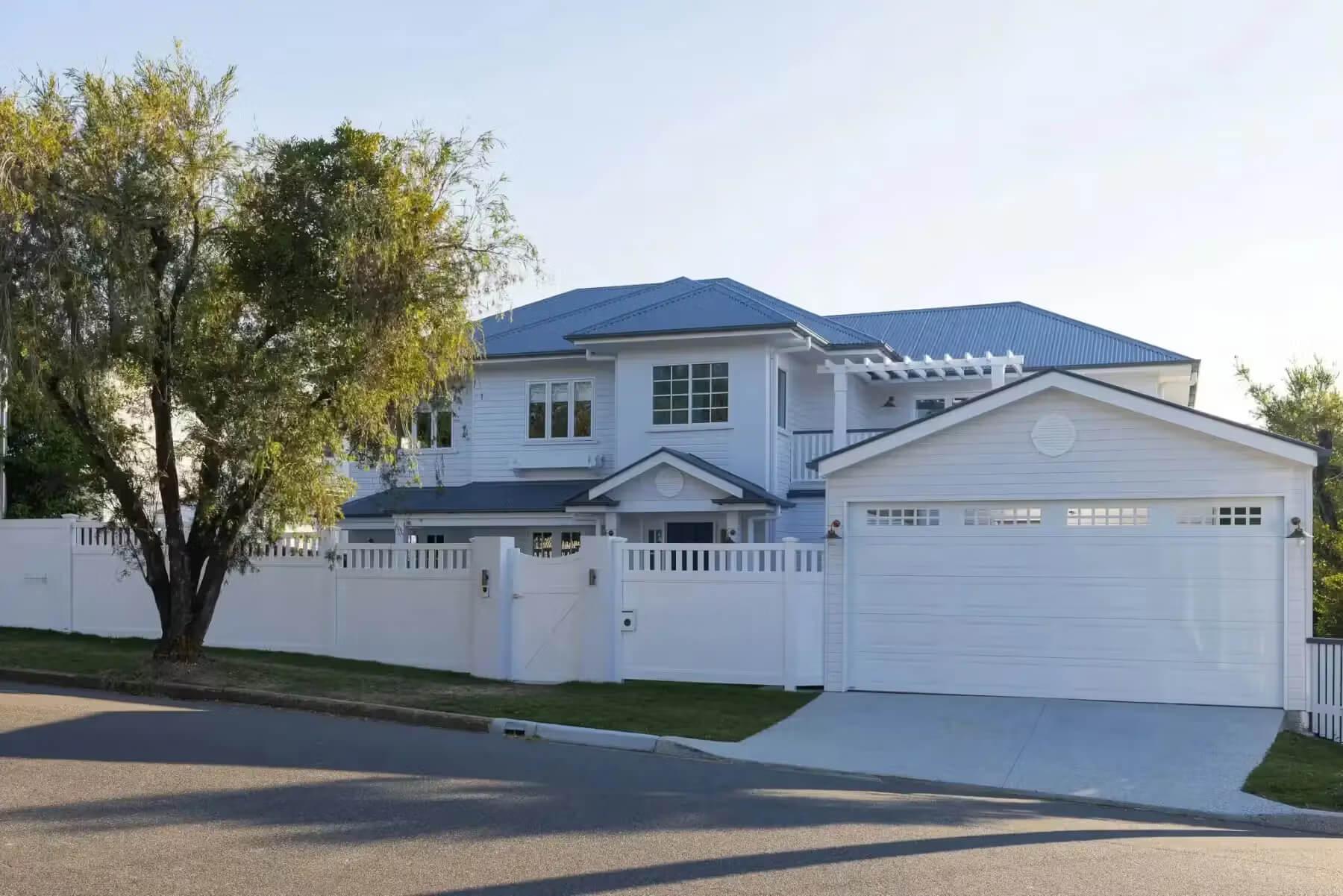


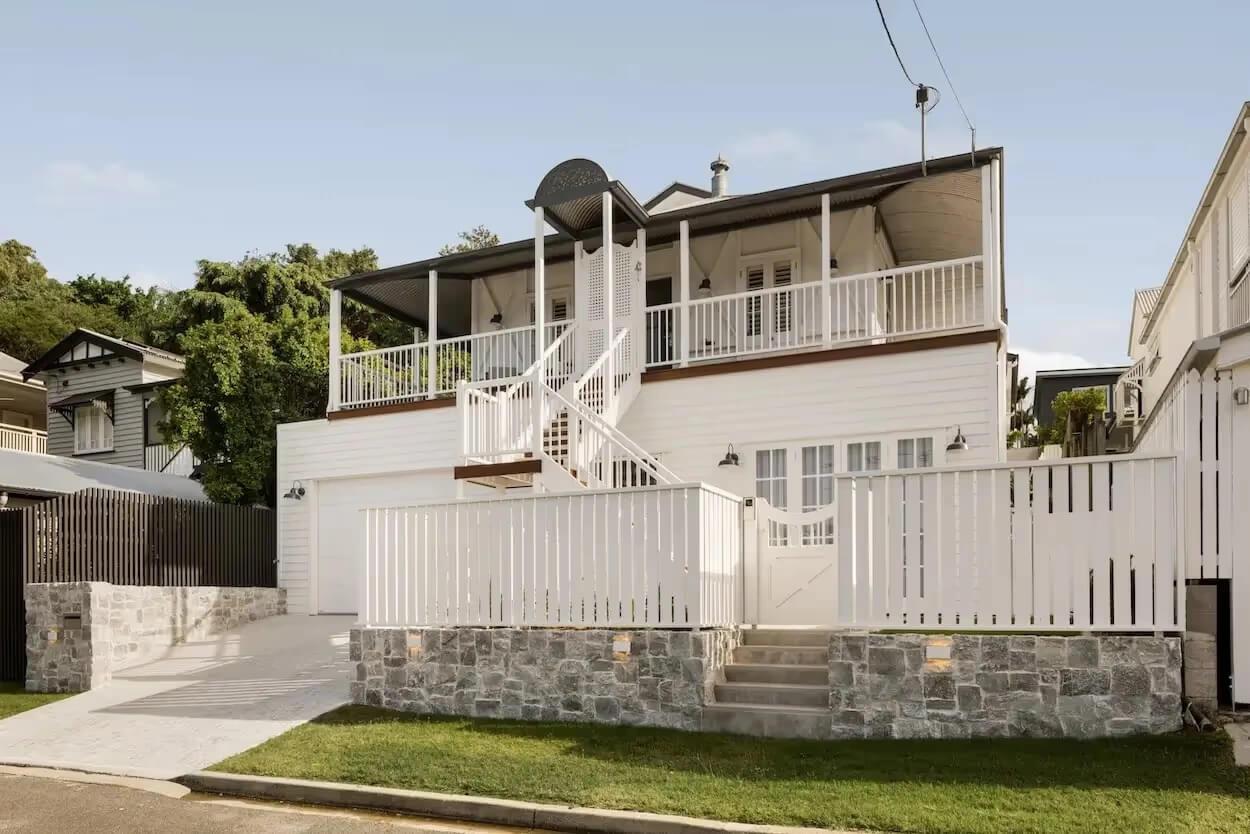
Raising a Queenslander and building a new level underneath is the single best-value way to add space to one of these homes. The lift itself is only a fraction of the total cost. The real budget goes into the new lower level you build once the house is up, which generally runs between $5,000 and $6,500 per square metre, based on our 2026 build contracts to date. You gain a whole storey of floor area that's already under your existing roof, on stumps you're largely reusing or replacing anyway. Done properly, it can roughly double the size of the home for less per square metre than almost any other extension.
I'm Michael Johnston, a director and registered architect at Invilla. I've documented and delivered enough of these to know exactly where they go smoothly and where they bite, so here's the straight version.
Why raising works so well for a Queenslander
A Queenslander already sits up off the ground, that's how it was designed to breathe in the subtropics. That existing high-set form is the opportunity. The under-house space is usually a dim, low laundry-and-storage zone with maybe 1.8 metres of headroom. Raise the whole house by a metre or so and you convert that wasted space into a legal-height level with proper rooms, light and a connection to the garden. Habitable rooms need a minimum 2.4-metre ceiling under the National Construction Code, so a typical lift clears it comfortably.
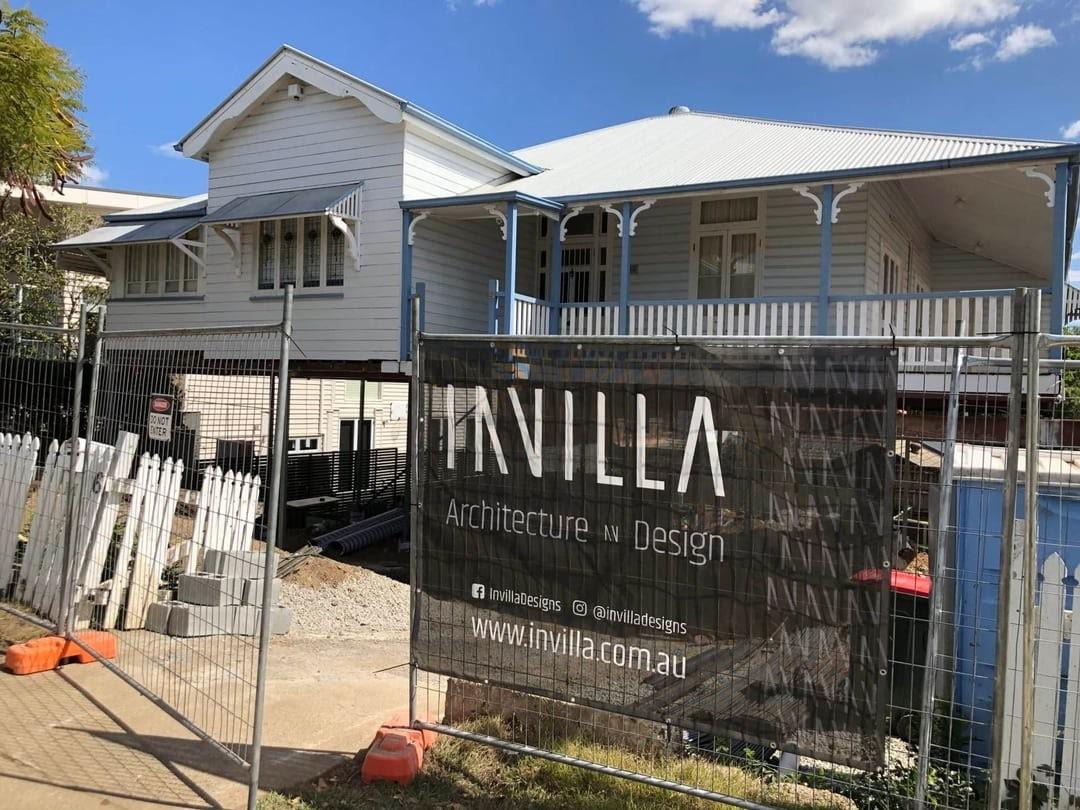
Because the house is lightweight timber, lifting it is a well-established trade in Brisbane rather than an exotic feat of engineering, which is exactly why "house raising Brisbane" is such a common search. The lift itself is the straightforward part. The design and approvals around the new level are where the value, and the risk, actually sit.
It is also the project type our Queenslander renovation architects document most often.
How much does it cost to raise a house in Brisbane?
As a rough guide, the raise itself starts around $100,000, and the new lower level you build underneath generally runs $5,000 to $6,500 per square metre. Two separate numbers matter, and people often conflate them:
- Getting the house up. The physical lift, new structural steel and supports, re-levelling and re-securing the house, and reconnecting the plumbing and electrical once the house is up. As a guide this starts around $100,000 and varies with the size of the house, access, soil, and how high you go.
- Building underneath. The new lower level: slab, walls, services, fit-out and finishes. This is the larger spend, and it scales with how you finish it.
The honest way to think about it: budget for a near-complete new floor of your home, plus the cost of getting the existing house safely up in the air above it. A feasibility look at your specific house is the only way to turn that into a real figure. We work to fixed-price fees scaled to the project.
The hidden costs worth naming
This is where projects blow out, so we'd rather you hear it now:
- Re-stumping and structural repair. Once the house is up, old hardwood stumps, bearers and joists are exposed, and any rot or borer damage is dealt with while access is easy.
- Bringing the old house up to current code. Wiring, plumbing and wet areas in the original house often need upgrading as part of the works. The original structure supporting decks and verandahs is also frequently undersized by today's Australian Standards, and usually has to be brought into line with current requirements when you raise and renovate a Queenslander.
- Asbestos. Common in mid-century sheeting, eaves and flooring; removal is a real line item.
- Connecting old to new. A new staircase, matching floor levels, and weatherproofing the junction between the lifted house and the new level.
What's the legal ceiling height for the new level?
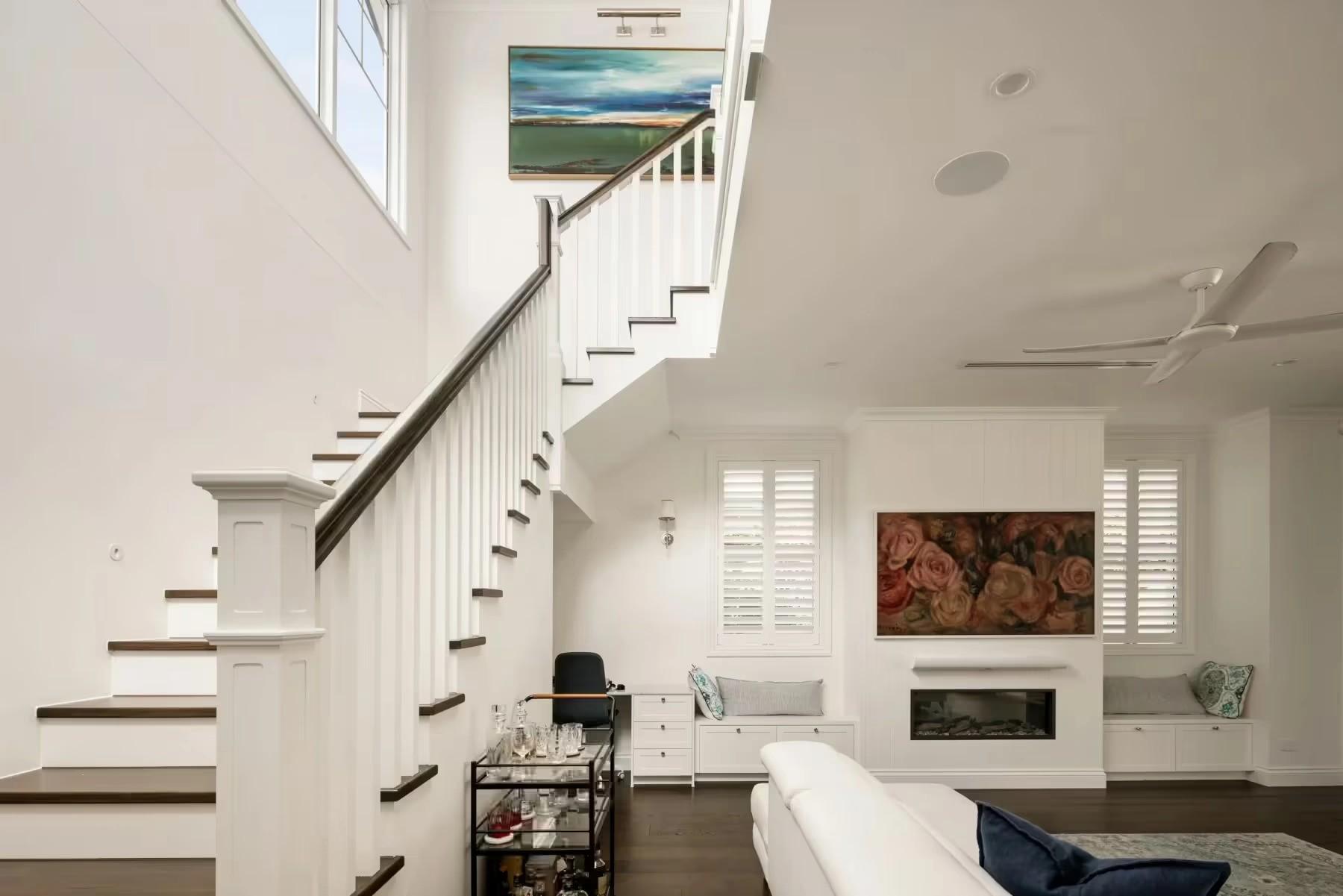
This is the make-or-break detail. To create properly habitable rooms underneath, the new level must meet the minimum ceiling height for habitable space under the National Construction Code, and the finished height of the raised house must stay within what Brisbane City Plan allows for your site. There are limits on overall building height and, in some areas, on how the raised house presents to the street. Get this wrong and you either end up with a non-habitable "storage" level or a planning refusal. It's the first thing we check in feasibility.
Raising in a character area
If your Queenslander is a pre-1947 home in a Traditional building character area, raising is often allowed, but how the raised house presents to the street is controlled. You generally can't end up with a tall, blank wall of garage doors facing the road where a verandah used to float. The new lower level usually has to be set back, screened, or detailed so the character of the streetscape survives. We cover the rules in detail in our guide to extending a character home in Brisbane.
Raise and build under, vs extend out the back
People often ask which is better. Neither is universally right:
- Raise and build under suits a tight block where you can't lose the garden, or a low-set home where the under-house space is begging to be used. You keep your yard and gain the most floor area.
- A rear extension suits a home that already sits high enough, or a family who wants single-level living and indoor-outdoor flow more than maximum floor area. It can also work out more cost-effective if the area you're adding is smaller than the home's existing footprint. Rear extensions also tend to involve less reinstatement and double-handling than a raise and build-under.
Many of the best projects do a bit of both: raise the house, build in underneath, and extend the new level out to a deck and the garden. Our main Queenslander extensions guide walks through all three forms and how to choose.
The process for a raise-and-build-under
- Feasibility. Confirm the legal height is achievable, check the overlay, and pressure-test the budget against what you want underneath.
- Design. The new level, the staircase, how old and new connect, and how the raised house meets the street.
- Documentation and approvals. Engineering for the new footings and structure, building approval, and any planning assessment.
- The lift. A specialist house-raising contractor jacks and supports the house; new posts and footings go in.
- Build under and reconnect. The new lower level is constructed, services connected, and the two levels finished as one home.
Is raising a Queenslander worth it?
For most high-set Queenslanders on a good block, yes, you keep the character home and the garden. It's less compelling for a low-set home where the raise has to be substantial, or where the block can't take the finished height. The deciding factor is almost always the feasibility numbers, not the design, which is why we run those first.
Frequently asked questions
How much does it cost to raise a house in Brisbane? Getting the house up starts around $100,000, with the new lower level costing considerably more on top, generally $5,000 to $6,500 per square metre. Budget for a near-complete new floor plus the raise.
Can you raise any Queenslander? Most high-set timber Queenslanders can be lifted; the limits are usually the legal finished height for your site and the condition of the existing structure, both of which we check at feasibility.
Do you need council approval to raise a house in Brisbane? Yes, building approval as a minimum, plus a planning assessment if your home is in a character area. The raised height and street presentation are the key things assessed.
How high can you raise a Queenslander? High enough to create a legal-height habitable level underneath, as long as the finished house stays within your site's building height limit. Two numbers set this:
- Habitable ceiling height. A habitable room needs a minimum 2.4-metre ceiling under the National Construction Code, so the new lower level has to clear that.
- Overall building height. This is set by your local council. Under Brisbane City Plan, most houses are limited to 9.5 metres and two storeys, though limits range from about 8 to 10 metres across other South East Queensland councils. A typical raise sits comfortably within that.
How long does the house need to be vacated? For the construction period, which is typically around 12 months for a raise and build-under. You can stay living in the home through the earlier design, documentation and approvals stage (around 9 to 12 months with us), and only need to move out once the build starts. So while the whole journey runs roughly two years, the period you're actually out of the house is the construction phase.
Find out what's possible under your house
The only way to know whether raising your Queenslander stacks up is to check the legal height and the numbers for your specific home. Start your project with our Quote Estimator and we'll tell you straight whether build-under is the right move, or whether extending out the back will serve you better.