
How much an architect costs depends on how the fee is structured. There are three models used in Australia: a percentage of the construction cost, an hourly rate, or a fixed fee. Invilla uses the third, agreed before the work starts and scoped to the whole project.
That is the short answer. The reason it is worth a few more minutes is that the fee model shapes how the whole project runs, and it is the thing that makes two quotes hard to compare.
The Three Ways Architects Charge
- Percentage of construction cost. The fee is a percentage of what the house costs to build, usually drawn down across the design stages. It is the traditional model and still the most common one, largely because it scales fairly with the size of the job. The thing to understand going in is that the fee moves with the build cost, so a change in scope during design changes both numbers.
- Hourly rates. You pay for time. This suits work that is genuinely hard to scope in advance, such as a feasibility study or a single consultation on a difficult site. For a full house, the total is not known until the work is finished.
- Fixed fee. One agreed figure for a defined scope, priced from the size and complexity of the project. You know the number before you sign, and if the work takes longer than expected, that sits with the architect. The trade-off is that the scope has to be pinned down properly at the start, which is work that happens before the fee is set.
As a guide, most architecture firms in Australia charge somewhere between 5 and 15 per cent of the construction cost, with the figure depending on the skill and track record of the team and on what the fee includes. That spread is precisely why comparing inclusions matters more than comparing percentages.
What Moves the Fee Up or Down
Size is the obvious one, and the least interesting. What moves a fee more than square metres is how much the site is going to argue back.
A sloping block in Bulimba or a flood-overlay lot in Hawthorne takes more design and documentation effort than a flat rectangular one, because the constraints have to be solved rather than accommodated. A protected character home adds a layer of planning work that a knock down rebuild does not. Difficult, heavily constrained sites take more time to resolve and to approve, and an unusual brief or an exceptionally challenging build method will often add scope, and with it fee, in the same way.
Scope matters most of all. Concept design alone is a very different job from concept through documentation, approvals and construction support. Two quotes that look wildly different are often quoting different amounts of the job, and comparing the scopes is usually more revealing than comparing the numbers.
Then there is what happens once design is under way. Within the brief and budget we agreed at the start, changes, design revisions and aesthetic updates are all part of the fixed fee, and most of them happen in the sketch design stage, which exists for exactly that purpose. A significant change to the brief or the budget, an extra storey or a build budget that moves from one million to one point eight would typically need a conversation about the fee.
What Invilla's Fixed Fee Covers
Our fee is scoped to the whole project, and one team carries the work from the first site visit to the finished house through our architectural design service:
- Site and planning assessment, including the overlays and City Plan controls that apply to your block
- Concept design
- Approvals: building approval, and the design and lodgement of a development application where your project needs one
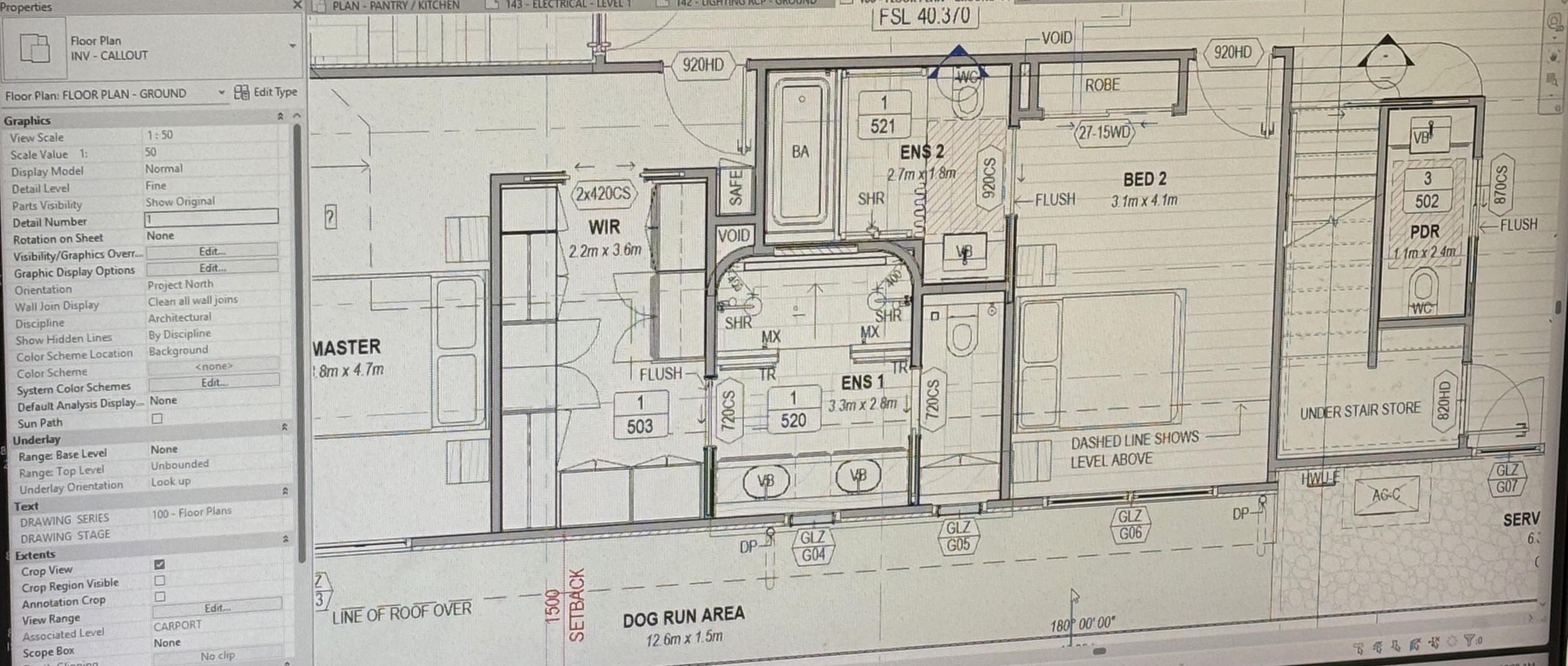
- Construction documentation: the drawings, schedules and specifications a builder prices from
- Support through construction, answering the builder's questions and checking the work against the documents
The fee is agreed at the start and does not move as the design develops. Typically the only part of the work charged by the hour is negotiating with council and responding to a development application information request, because the length of that process depends on council rather than on us. Council and certifier charges themselves are separate, as they are with any architect.
The Fee Is a Small Part of the Cost of the House
The architect's fee is one line in a much larger budget, and the useful way to think about it is what it protects.
Decisions left unresolved in the documents end up being resolved on site instead, where changing your mind carries a variation and a delay. Overlays that are not checked early can send a design back for reworking after council has had its say; our council approval guide explains what gets checked and when. And a house that fights its orientation costs more to run for as long as it stands, which is a bill that arrives every summer rather than once.
If you are building the whole picture, our guide to the cost of building a house in Brisbane covers the construction side, and hidden costs of building a house covers the lines people forget.
Common Questions
How much does an architect cost in Brisbane? It depends on the fee model and the scope. Percentage-of-cost fees move with the build budget, hourly fees are open-ended, and fixed fees are agreed up front. Invilla quotes a fixed fee for the full scope, from site assessment through to construction support.
Is a fixed architect fee better than a percentage? Neither is better in the abstract, and both are used by good practices. A percentage fee scales with the project and is well understood across the industry. A fixed fee gives you a known number at the start and does not rise with the construction cost, in exchange for defining the scope properly before the fee is set. Which suits you depends on how much certainty you want early.
Does the architect's fee include council approval? Building approval sits inside Invilla's fixed fee. Where a project needs a development application, the design and lodgement are in the fee too; the council negotiations and any information request that follow are charged by the hour, because their length depends on council rather than on us. Council and certifier charges are separate, as they are with any architect.
What if I change my mind during design? Within the brief and budget we agreed on, that is expected and included. Most revisions happen in the sketch design stage, which is where the plan is meant to move. A change that alters the project itself, such as adding a storey or a significantly larger budget, means a conversation about the fee.
Can I pay an architect for concept design only? Some practices offer it, and for a feasibility question it can be exactly the right amount of work. Invilla scopes the whole project, because how well a design gets built depends on the documentation and the construction support that follow the concept.
Know the Number Before You Commit
Every Invilla project starts the same way, with our residential architecture in Brisbane scoped as one job and one fee. You get a real range before you commit, and a fee that holds once you do.